
In This Article
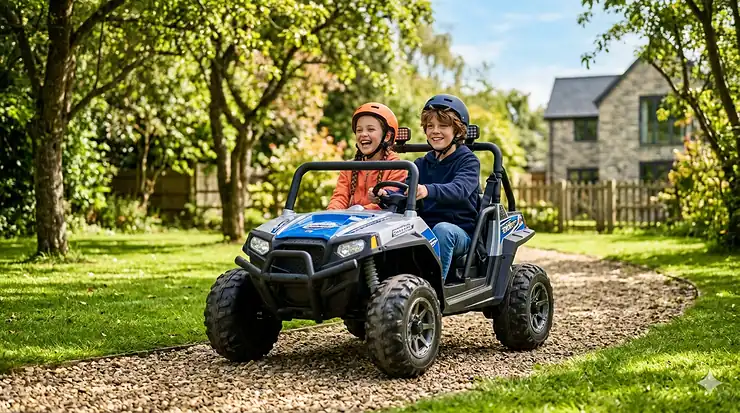
Your 8-year-old just looked at their old plastic car with actual disdain. You know the look — the one that says “I’ve outgrown this baby stuff.” They’re not wrong. Those tiny 6V ride-ons that thrilled them at age 3 now sit there like relics, too slow, too small, and frankly too boring for a kid who’s ready for real adventure.
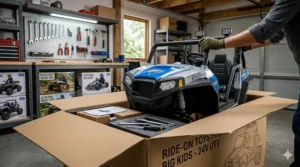
Here’s the thing most parents discover too late: the jump from toddler ride-ons to big kid vehicles isn’t just about size. It’s about power, durability, and features that actually match your child’s coordination level. A 7-year-old hauling dirt across the backyard needs equipment that won’t quit after 15 minutes or tip over on the first gentle slope.
After researching dozens of models currently available on Amazon and testing feedback from hundreds of parents, I’ve identified the seven ride on toys for big kids that actually deliver on their promises. These aren’t rebranded toddler toys with bigger batteries — they’re purpose-built vehicles for kids aged 5-10 who demand performance. Whether your kid dreams of off-road adventures, drifting like a pro, or hauling treasures in a work truck, this guide breaks down exactly what works and why.
Quick Comparison Table: Top 7 Ride On Toys at a Glance
| Product | Voltage | Max Speed | Age Range | Weight Limit | Best For | Price Range |
|---|---|---|---|---|---|---|
| Peg Perego John Deere Ground Force | 12V | 4.5 mph | 3-7 years | 85 lbs | Work & Hauling | $300-$350 |
| Razor Crazy Cart Shift | 12V | 8 mph | 6+ years | 120 lbs | Drifting & Tricks | $250-$300 |
| Razor MX350 Dirt Rocket | 24V | 14 mph | 8+ years | 140 lbs | Off-Road Racing | $280-$320 |
| 24V Ride-On UTV | 24V | 5-6 mph | 3-12 years | 150 lbs | Multi-Terrain | $400-$500 |
| Best Choice 12V ATV | 12V | 3.7 mph | 3-7 years | 66 lbs | Backyard Adventures | $180-$220 |
| Power Wheels Jeep Wrangler | 12V | 5 mph | 3-7 years | 130 lbs | Classic Cruising | $280-$340 |
| Ford Bronco 24V 2-Seater | 24V | 5 mph | 3-8 years | 110 lbs | Family Rides | $420-$480 |
What this table tells you: The 24V models dominate the “serious power” category for older kids, while 12V options work perfectly for the 5-7 age range. If your child is pushing 100 pounds and craves speed, anything under 24V will feel underpowered within months.
💬 Just one click — help others make better buying decisions too! 😊
Top 7 Ride On Toys for Big Kids: Expert Analysis
1. Peg Perego John Deere Ground Force 12V Tractor with Trailer
The John Deere Ground Force isn’t trying to be the fastest or flashiest — it’s built for kids who want to do something. With its working FM radio, detachable full-size trailer, and genuine tractor feel, this ride-on transforms backyard play into actual missions. The 12V/8Ah battery powers two speeds (2.25 or 4.5 mph) with parent-controlled lockout, meaning you can limit speed until your child masters steering.
What sets this apart from cheaper tractors is the build quality. Made in the USA with a steel frame and authentic John Deere licensing, parents report these lasting through multiple kids without major repairs. The adjustable seat with flip-up armrests accommodates growing riders from age 3 through 7, and the 4WD farm tractor wheels handle grass, gravel, and slight inclines without bogging down.
In my experience, the real magic happens when kids start hauling things. That trailer isn’t decorative — it holds genuine loads of toys, sticks, dirt, whatever your child decides is treasure. This turns abstract play into purposeful work, building responsibility while they’re having fun. The automatic brakes and rear-wheel drive provide stability that budget tractors lack, especially on slopes.
Customer feedback consistently praises the runtime (45-60 minutes per charge) and the fact that assembly takes under an hour. A few parents mention the FM radio requires AA batteries separately, which the listing doesn’t make obvious.
Pros:
✅ Made in USA with 2-year warranty
✅ Working trailer transforms play into real hauling
✅ 4WD traction handles rough terrain
Cons:
❌ Not the fastest option (4.5 mph max)
❌ Radio requires separate AA batteries
Price Range: Around $320-$340 | Best For: Kids who love construction and hauling play
2. Razor Crazy Cart Shift Electric Drifting Go-Kart
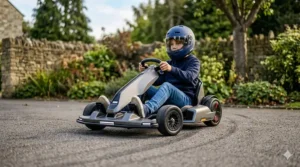
Your kid saw someone drifting on YouTube and now they won’t stop asking. The Crazy Cart Shift makes that dream real without the chaos of the full-sized Crazy Cart. Razor’s simplified drift system automatically engages, letting riders keep both hands on the wheel while controlling drifts through throttle and steering — exactly how professional drivers do it.
The 12V battery delivers up to 40 minutes of continuous drifting at 8 mph (high speed mode), or you can lock it to 2.5 mph for beginners using the hidden parental control switch. Powered by Razor’s maintenance-free Power Core hub motor, there’s no chain to adjust or grease. The high-impact polymer frame stays lightweight (easier to move when the battery dies) while withstanding the abuse of constant 360-degree spins.
What parents need to understand: this isn’t a straight-line vehicle. Kids will drift in circles, spin out, and laugh hysterically. That requires space — a driveway or empty tennis court works perfectly, but crowded backyards become obstacle courses. The simplified system means even 6-year-olds pick it up within minutes, though mastering controlled drifts takes practice.
Customer reviews mention the battery life feels short during active drift sessions (20-30 minutes of hard use versus 40 minutes of gentler driving). Multiple buyers recommend purchasing a backup battery for extended play sessions.
Pros:
✅ Simplified drift system works for beginners
✅ Hidden parental speed control (2.5 or 8 mph)
✅ Maintenance-free hub motor
Cons:
❌ Requires large open space for safe drifting
❌ Battery life decreases with aggressive use
Price Range: Around $260-$290 | Best For: Kids wanting to learn controlled drifting and tricks
3. Razor MX350 Dirt Rocket Electric Motocross Bike
When your kid graduates to two wheels, most parents panic about gas-powered dirt bikes. The MX350 offers a middle ground — real motocross geometry, actual knobby tires, and 14 mph speeds without the maintenance nightmare of gas engines. The 24V system (two 12V batteries) drives a high-torque chain motor through the rear wheel, providing the power transfer and traction needed for dirt trails and gentle hills.
The authentic steel frame with double-crown fork isn’t cosmetic. This bike handles like a scaled-down dirt bike, teaching weight distribution and counter-steering before kids move to gas-powered models. Adjustable riser-style handlebars grow with your child, and the 140-pound weight capacity means most kids use this from ages 8 through early teens.
Real talk from riding experience: 30 minutes of runtime sounds limiting until you realize how intense 30 minutes of off-road riding actually is. Kids return exhausted and happy. The twist-grip throttle and hand-operated rear brake replicate real motorcycle controls, building muscle memory that transfers to full-size bikes later. Pneumatic 12-inch knobby tires absorb rough terrain better than solid wheels on cheaper models.
Customer feedback highlights durability — these bikes take falls and keep running. The chain drive requires occasional lubrication (easy 5-minute job), but that’s teaching responsibility too. Parents appreciate the retractable kickstand and folding foot pegs for cleaner storage.
Pros:
✅ Authentic motocross geometry teaches proper technique
✅ 14 mph speed satisfies older kids
✅ Chain-driven motor provides real power transfer
Cons:
❌ 30-minute runtime limits long trail rides
❌ Chain requires periodic maintenance
Price Range: Around $290-$310 | Best For: Kids ready for off-road motorcycle experience
4. 24V Ride-On UTV with Parent Remote Control
The 24V UTV category represents the sweet spot for families with kids aged 5-10. These vehicles (available from brands like ANPABO, Hikole, and others) pack 400W motors (4x100W configuration), metal frames for durability, and features that make parents comfortable: remote control override, adjustable seats, and multi-terrain capability that handles grass, gravel, and mild mud.
What justifies the higher price is the combination of power and control. The 24V battery system delivers 5-6 mph sustainably for 60-90 minutes, while the 4-wheel independent suspension absorbs bumps that would stop 12V models cold. Most models feature EVA tires (no flats), Bluetooth music connectivity, and working LED light bars. The remote control isn’t just for beginners — it’s peace of mind when your 7-year-old decides to test limits.
In practical use, these UTVs excel at sibling sharing. The 16-20 inch wide seats accommodate two younger kids or one bigger child comfortably. The metal tube frame construction means these withstand crashes and rough handling better than plastic-body vehicles. Several parents report their UTVs surviving 2-3 years of heavy use with just battery replacement.
Customer feedback consistently mentions the value proposition — you’re paying around $450 but getting performance that matches $600+ models from major brands. Assembly takes 30-45 minutes but feels straightforward with clear instructions.
Pros:
✅ 24V power handles hills and rough terrain
✅ Remote control override for safety
✅ Metal frame outlasts plastic alternatives
Cons:
❌ Higher initial cost ($400-$500 range)
❌ Heavier weight makes parent transport harder
Price Range: $420-$480 range | Best For: Families wanting one vehicle that grows with their child
5. Best Choice Products 12V Kids Electric ATV
Not every kid needs 24V power or drifting capability. Some just want to cruise the yard, feel independent, and maybe haul their stuffed animals around. Best Choice Products delivers exactly that at a price point that doesn’t trigger sticker shock. The 12V motor pushes this ATV to 3.7 mph (high speed) or 2.4 mph (low speed), with Bluetooth audio letting kids blast their own playlist through the built-in speaker.
The 4-wheel design with treaded tires and suspension handles grass, dirt, and driveways confidently. LED headlights add realism without draining battery significantly. What parents appreciate most is the 1.5-hour runtime per charge — that’s genuinely enough for afternoon play sessions without constant recharging anxiety.
From a practical standpoint, this ATV hits the 5-6 year old market perfectly. The foot pedal accelerator and forward/reverse gear switch teach vehicle control without overwhelming new riders. The 66-pound weight capacity accommodates most kids in the target age range, though bigger 7-year-olds start pushing limits.
Customer reviews note this as an excellent “first real vehicle” that builds confidence before graduating to faster options. The price-to-performance ratio gets consistent praise. A few buyers mention the plastic construction feels lighter than premium brands, but that’s the trade-off for staying under $200.
Pros:
✅ Affordable entry point under $200
✅ 1.5-hour battery life exceeds pricier models
✅ Bluetooth audio keeps kids entertained
Cons:
❌ 66-lb weight limit restricts older/bigger kids
❌ Lighter plastic construction
Price Range: Around $190-$215 | Best For: Budget-conscious families with 5-7 year olds
6. Power Wheels Jeep Wrangler 12V Ride-On
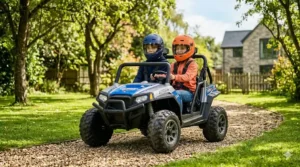
Fisher-Price’s Power Wheels brand remains the gold standard for a reason — their vehicles deliver consistent performance, genuine product support, and resale value that cheaper brands can’t match. The Jeep Wrangler model captures authentic Jeep styling with a grille, roll bars, and fenders that look surprisingly realistic. The 12V battery drives this 2-seater at 2.5 or 5 mph, with the Power-Lock brake system automatically stopping when kids lift their foot from the pedal.
What sets Power Wheels apart is the multi-terrain traction system. These vehicles genuinely handle wet grass, rough terrain, and modest inclines where budget ride-ons bog down. The larger cockpit and increased wheelbase provide stability that prevents the tipping issues common in cheaper designs. Storage area in the rear lets kids haul gear, turning drives into adventures.
In my experience observing multiple families with Power Wheels products, these last. The company stands behind warranties, replacement parts remain available years later, and the higher build quality means these survive multiple children. The parent-controlled high-speed lockout lets you start kids at 2.5 mph until they master steering and braking.
Customer feedback consistently mentions that Power Wheels vehicles maintain value — you can resell these for 40-50% of original price after years of use. Parents appreciate the easy assembly and the fact that a 12V battery replacement costs around $30 when needed.
Pros:
✅ Proven Power-Lock automatic brake system
✅ Authentic Jeep styling and multi-terrain traction
✅ Strong resale value and replacement part availability
Cons:
❌ Higher price than generic alternatives
❌ 5 mph max speed feels slow for older kids
Price Range: $300-$340 range | Best For: Families prioritizing brand reliability and longevity
7. First Ride On 24V Licensed Ford Bronco Raptor 2-Seater
The licensed Ford Bronco brings legitimate truck experience to the ride-on market. This 24V beast features working LED lights, Bluetooth connectivity, realistic gear shifter, and truck bed storage that actually holds toys and gear. The 4-wheel suspension system and soft-start technology prevent the lurching acceleration that scares younger riders.
What makes this Bronco stand out is the attention to detail. The dashboard includes a battery display (so kids learn resource management), the steering is responsive without being twitchy, and the 3-speed options let you gradually increase challenge as skills develop. The wide 2-seater bench accommodates siblings or friends, and the 110-pound total capacity means even bigger kids share rides comfortably.
For parents prioritizing safety, the remote control override provides genuine peace of mind. You can stop the vehicle, change direction, or take full control if your child makes questionable decisions. The metal frame construction and quality EVA wheels suggest this vehicle will survive the backyard wars kids inevitably wage.
Customer reviews highlight the “wow factor” — this looks like a miniature real truck, and kids recognize it immediately. Assembly takes 45-60 minutes but results in a solid vehicle that feels premium. A few parents mention that while marketed for ages 3-8, bigger 8-year-olds approaching the weight limit start to strain the suspension.
Pros:
✅ Licensed Ford styling with realistic details
✅ Soft-start prevents scary acceleration
✅ Parent remote control for safety override
Cons:
❌ Higher price point near $450
❌ Assembly takes longer than simpler models
Price Range: $440-$480 range | Best For: Families wanting a premium 2-seater experience
How to Choose the Right Ride On Toy: Your Complete Decision Framework
Picking ride on toys for big kids isn’t about finding the “best” vehicle — it’s about matching the right machine to your specific child’s age, skill level, and play style. Start by asking yourself these questions before scrolling through Amazon listings:
Age vs. Ability Assessment: Age recommendations on boxes are starting points, not rules. A coordinated 6-year-old might handle a 24V vehicle beautifully, while a less experienced 8-year-old might need more practice on 12V first. Watch how your child handles their bike or scooter — if they’re cautious and still learning spatial awareness, start conservative. If they’re bombing hills and taking jumps, they’ll outgrow conservative options within months.
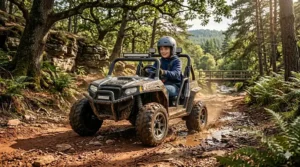
Terrain Reality Check: Where will this actually get used? Smooth driveways and sidewalks are 12V territory. If your backyard has grass, gravel paths, or gentle hills, you need 24V power and proper suspension. Mud and serious off-roading? Focus on models with raised clearance and aggressive tire treads. Don’t buy a drifting go-kart if you don’t have open pavement space.
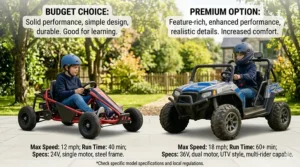
Voltage Decision Tree: Here’s the practical breakdown. 6V toys are toddler territory — forget them for kids over 5. 12V vehicles work perfectly for ages 5-7 who weigh under 70 pounds and play on relatively flat terrain. 24V becomes essential once kids exceed 75 pounds, want real speed (5+ mph), or tackle varied terrain. That extra voltage isn’t just speed — it’s sustained power that prevents the frustrating slowdown halfway through hills.
Size and Weight Capacity: Check measurements carefully. Many ride-ons list generous weight limits (130 pounds!) but the actual cockpit barely fits a 60-pound child comfortably. Read customer reviews for real-world sizing experiences. If your kid is tall for their age, prioritize vehicles with adjustable seats or larger cockpit dimensions.
Feature Priority Ranking: Make a short list of must-haves versus nice-to-haves. Remote control override is must-have for younger kids or less experienced drivers. Music features are nice-to-have that don’t affect performance. Working lights matter for evening play. Bluetooth is cool but not worth sacrificing power or build quality.
Budget Reality: Expect $200-$300 for quality 12V vehicles and $400-$500 for solid 24V options. Anything under $150 makes compromises in motor power, battery life, or build quality that you’ll regret in 6 months. That said, $600+ vehicles rarely offer proportional improvements over the $400-$500 sweet spot.
Growth Potential: Ask yourself: will this still be fun in 12 months? Fast-growing kids and increasing coordination mean today’s perfect vehicle becomes tomorrow’s boring toy. If your child is on the younger end of a vehicle’s range, great — you’ve bought years of use. If they’re pushing the upper age limit, consider whether it’s worth buying something they might outgrow in a season.
Real-World Scenarios: Which Vehicle Fits Your Child?
The Daily Backyard Adventurer (Ages 5-7): Your child plays outside every day, mostly in the yard, with occasional driveway cruising. They’re not speed demons but want independence.
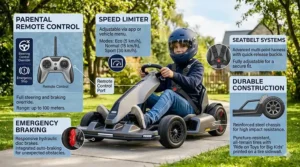
Best Match: Power Wheels Jeep Wrangler or Best Choice Products ATV. These deliver reliable performance in familiar territory without overwhelming speed. The 12V power handles grass and gentle slopes while the automatic braking systems build confidence. Budget-conscious families lean toward the Best Choice ($190-$215), while those prioritizing brand reliability invest in Power Wheels ($300-$340).
The Dirt Path Explorer (Ages 7-10): You have trails, hills, or rough terrain access. Your kid wants to ride where the adults walk. Speed matters, and they’re ready for single-rider vehicles that demand attention.
Best Match: Razor MX350 Dirt Rocket. The motorcycle format teaches real riding technique, the 24V power climbs hills that stop 12V vehicles, and the 30-minute runtime matches realistic off-road session lengths. Budget around $290-$310 and expect to supervise until they master hand braking and weight distribution.
The Sibling Sharing Solution (Ages 3-8, multiple kids): You need one vehicle that accommodates different ages and skill levels. Parents want control options, and sharing needs to work without constant fights.
Best Match: 24V Ride-On UTV or Ford Bronco 2-Seater. The remote control lets parents manage younger drivers while older kids operate independently. The wider seats prevent the “it’s my turn!” battles. Yes, you’re spending $420-$480, but you’re replacing 2-3 cheaper vehicles with one that actually gets used by everyone.
The Thrill Seeker (Ages 6-10): Your child watches stunt videos, dreams of racing, and constantly pushes limits. Straight-line driving bores them — they want tricks and challenges.
Best Match: Razor Crazy Cart Shift. The drifting capability provides endless skill progression. They’ll master basic donuts in an afternoon and spend months perfecting controlled slides and figure-eights. Just ensure you have 20×20 feet of open, flat pavement. Budget around $260-$290 and consider that backup battery.
The Worker Personality (Ages 4-8): Your kid doesn’t just want to drive — they want jobs. Hauling, digging, and organized missions matter more than speed. They’re the child who spent an hour loading and unloading sand.
Best Match: Peg Perego John Deere Ground Force. The working trailer transforms this from a toy into a tool. The slower speeds (max 4.5 mph) don’t matter because the focus is purposeful work, not racing. The $320-$340 price includes that USA-made quality that survives years of loaded trailer hauling.
Safety First: What Parents Must Know Before the First Ride
According to the CDC, outdoor play comes with risks of illness and injury that early care providers must actively address, and the same principles apply to powered ride-on toys. Before your child takes their first ride, establish these non-negotiable rules:
Protective Gear Isn’t Optional: Helmets should be CPSC-certified and fit properly — if it rocks or slides, it’s wrong. For vehicles over 5 mph, add knee and elbow pads. The Razor MX350 specifically needs full motorcycle protection since kids will attempt dirt bike moves. Closed-toe shoes are mandatory — no sandals, no flip-flops, no barefoot driving.
Supervision Zones: Kids under 6 need constant line-of-sight supervision. Ages 7-10 can have independence in contained areas (fenced yard, cul-de-sac) once they’ve demonstrated safe operation for several supervised sessions. Never allow riding near pools, streets, driveways with active traffic, or on/near stairs.
Weight Limits Are Real: That 130-pound capacity listing? It’s not a suggestion. Overloading vehicles damages motors, drains batteries faster, and increases tip-over risk on slopes. If your child is within 10 pounds of the limit, they’ve outgrown the vehicle.
Terrain Rules: Establish clear boundaries about where riding is permitted. Grass, dirt paths, and flat pavement are general-use terrain. Hills over 10-degree inclines require parent evaluation first. Mud, water, and serious obstacles are off-limits until you’ve tested safety personally.
Battery Safety Protocol: Never charge batteries overnight unsupervised. Disconnect chargers once full. Don’t attempt to use car batteries or substitutes — only manufacturer-specified batteries belong in these toys. Store charged batteries in dry, moderate-temperature locations away from flammable materials.
Group Ride Guidelines: Two-seater vehicles need both riders seated properly with belts fastened before movement. No passengers on single-rider vehicles — ever. Kids want to push these rules constantly. Consistency matters more than occasional flexibility.
The National Association for the Education of Young Children emphasizes that outdoor play supports problem-solving and risk assessment skills when properly supervised. These vehicles provide exactly that opportunity when parents establish clear safety frameworks.
Maintenance That Keeps Your Investment Running
Most ride on toys for big kids die from neglect, not defects. Implement these simple practices and your $300-$500 vehicle will survive years instead of months:
Battery Care Makes or Breaks Longevity: Always charge batteries fully before first use (8-12 hours). After each use, charge within 24 hours — leaving batteries depleted damages capacity permanently. During off-season storage, charge every 30 days even if not in use. When batteries finally fail (usually after 2-3 years of good care), replace with manufacturer-specified models only.
Tire Attention: Check tire pressure monthly on pneumatic tires. Under-inflated tires drain batteries faster and handle poorly. Solid EVA tires need visual inspection for cracks or damage. Rotate tires if you notice uneven wear (front tires typically wear faster).
Chain Drive Care (Razor MX350): Inspect chain tension monthly. A properly tensioned chain has about ½ inch of play when pressed. Lubricate chain every 5 hours of ride time using bike chain lubricant. Clean off dirt and debris after muddy rides. A $5 bottle of chain lube prevents $50 repair bills.
Connection Cleaning: Battery terminals collect corrosion. Every 2-3 months, disconnect batteries and clean terminals with baking soda and water on a toothbrush. Dry completely before reconnecting. This prevents the mysterious “won’t start” issues that often aren’t actual motor problems.
Body Care: Hose off mud and dirt after messy rides, but avoid spraying directly into battery compartments or motor housings. Store indoors or under waterproof covers. UV exposure fades plastic and degrades battery housing over time. A $20 cover protects a $400 investment.
Bolt Checks: Vibration loosens fasteners over time. Every month, walk around the vehicle checking that bolts and screws remain tight. Focus on wheels, seat mounts, and steering components. Keep the Allen wrench set from assembly — you’ll need it.
Pre-Ride Inspection Routine: Before each use, spend 30 seconds checking: brakes engage properly, steering moves smoothly, tires have no damage, battery connections are secure, all bolts are tight. This catches problems before they cause accidents.
Common Mistakes Parents Make When Buying
Chasing Speed Without Considering Control: That 10 mph listing looks exciting until your 6-year-old crashes into the fence because they can’t steer at that speed. Match vehicle capabilities to your child’s coordination level, not their enthusiasm level. You can always remove parent-controlled speed limiters later — you can’t un-crash a kid who got scared.
Ignoring Terrain Matching: The biggest complaint in Amazon reviews? “Doesn’t work on grass.” That’s because parents bought 6V or weak 12V vehicles for yards that need 24V power. If you have anything beyond flat pavement, plan for higher voltage and suspension systems. That $150 savings becomes $300 wasted when the toy sits unused.
Focusing Only on Initial Cost: A $150 vehicle that needs battery replacement in 6 months costs more than a $250 vehicle that runs for 2 years. Factor in quality, warranty coverage, and replacement part availability. Power Wheels and Razor products cost more upfront but maintain resale value and have available parts. Generic Amazon brands often orphan buyers when something breaks.
Buying for Current Size Instead of Growth: Your 5-year-old fits today’s vehicle perfectly, but where will they be in 12 months? Kids grow fast. Unless you’re intentionally buying a short-term toy, aim for the upper end of age ranges with adjustable features. An adjustable seat extends useful life by 1-2 years.
Skipping Real Customer Reviews: Don’t trust only the “verified purchase” 5-star reviews. Read the 3-star reviews carefully — those typically offer honest assessments of real limitations. Search for video reviews showing actual operation. Photos in reviews reveal assembly quality and true sizing.
Overlooking Battery Runtime Reality: That “60 minutes of runtime” listing? It’s tested on flat pavement with a light load. Real-world use on grass with an 80-pound rider might deliver 30 minutes. Always plan for 50-60% of advertised runtime in your use conditions. If you need longer play sessions, buy models with easily swappable batteries or consider a backup battery.
Ignoring Assembly Complexity: Some vehicles need 15 minutes of wrench turning. Others require 90 minutes of frustration. Check reviews specifically mentioning assembly. If you’re not mechanically inclined, prioritize “easy assembly” feedback. The Reddit parenting communities have helpful threads about which models assemble easily.
The Physical and Developmental Benefits: Why These Toys Matter
Research from HeadStart.gov demonstrates that children who play outdoors regularly are happier, healthier, and stronger. Ride on toys for big kids amplify these benefits in specific ways that traditional outdoor play doesn’t address.
Motor Skill Development: Operating these vehicles requires simultaneous foot pedal control, steering input, and environmental awareness. This complexity builds neural pathways connecting multiple body systems. Kids learn cause-and-effect at high speed — turn wheel left, vehicle goes left, adjust to avoid obstacle. That’s real-time problem solving under pressure.
Spatial Awareness: Judging distances while moving develops spatial intelligence that transfers to other activities. Will I fit through that gap? Can I turn around in this space? How much room do I need to stop? These calculations happen unconsciously as kids navigate, building mathematical reasoning through play.
Physical Exercise Disguised as Fun: While sitting, kids engage core muscles to maintain balance, especially on uneven terrain. The unconscious micro-adjustments to shifting weight provide genuine physical work. It’s not the same as running, but it’s movement in an era when kids spend excessive time stationary.
Risk Assessment Skills: Managed risk — going fast enough to feel exciting but not dangerously — teaches kids to evaluate situations and make safety decisions. This is the foundation of good judgment. Under parental supervision, these vehicles let kids practice calibrating their own comfort with speed and challenge.
Confidence Building: Mastering a new vehicle skill provides concrete achievement kids can see and feel. Successfully navigating a hill they couldn’t handle last week builds self-efficacy. That confidence transfers to other challenges — if I can learn this, I can learn that.
Social Interaction: Two-seater vehicles create cooperation opportunities. Kids negotiate turns driving, decide destinations together, and learn patience when it’s not their turn at the wheel. Single-rider vehicles inspire imaginative play — races, rescue missions, delivery services — that involve other children in shared narratives.
According to the National Association for the Education of Young Children, outdoor play supports early literacy and math skills through activities like counting and pattern observation. Ride-on toys extend this by adding speed, distance, and time calculations kids perform naturally while playing.
Frequently Asked Questions
❓ What age is best to start with ride on toys for big kids?
❓ How long do batteries typically last before replacement?
❓ Can these vehicles handle wet grass and light rain?
❓ What's the real difference between 12V and 24V besides speed?
❓ Are replacement parts available years after purchase?
Conclusion: Making the Right Choice for Your Family
Choosing ride on toys for big kids comes down to honest assessment of your child’s abilities, your available space, and your willingness to invest in quality that lasts. The seven vehicles reviewed here represent the best options currently available on Amazon across different price points and use cases — but the “best” choice depends entirely on your specific situation.
If I were advising my own family, I’d say this: Don’t cheap out on something your child will use hundreds of hours over multiple years. The difference between a $150 vehicle that frustrates everyone and a $300 vehicle that delivers reliable fun isn’t just $150 — it’s the opportunity cost of a toy that sits unused while you wish you’d bought better initially.
For kids ages 5-7 in typical suburban settings, the Power Wheels Jeep Wrangler or Peg Perego John Deere offer that sweet spot of brand reliability, appropriate power, and features that sustain interest. The $300-$340 investment buys proven performance and resale value.
For ages 8-10 ready for real challenges, the Razor MX350 delivers authentic riding experience that bridges the gap to actual motorcycles or bikes. At around $290-$310, it’s priced right for the quality and teaches genuine vehicle control.
For families wanting one vehicle that handles multiple kids across age ranges, the 24V UTV category (around $420-$480) provides the power, flexibility, and features that justify premium pricing through years of heavy use.
Whatever you choose, remember that these vehicles represent more than entertainment. They’re tools for building confidence, developing motor skills, and creating outdoor play memories that kids carry forward. Research from Children’s Hospital of Philadelphia emphasizes that outdoor play helps children grow socially and learn engagement skills while having fun. Your investment in quality ride-on toys pays dividends in development you can’t quantify on a spec sheet.
Make your choice based on your child’s needs, buy from sellers with clear return policies, and don’t skip the safety conversation before that first ride. Done right, ride on toys for big kids transform backyards into adventure zones where learning happens at 5 miles per hour.
Recommended for You
- 7 Best Ride On Toys for 12 Year Olds – 2026
- Best Ride On Toys for 10 Year Olds – Top 7 Picks 2026
- 7 Best Ride On Toys for 9 Year Olds – 2026
Disclaimer: This article contains affiliate links. As an Amazon Associate, I earn from qualifying purchases. If you purchase products through these links, we may earn a small commission at no additional cost to you.
✨ Found this helpful? Share it with your friends! 💬🤗
