

In This Article
Picture this: your little one’s face lights up as they climb aboard their very first set of wheels, ready to zoom across the living room or conquer the driveway. That moment? Pure magic. But here’s what makes it even better—every push, scoot, and pedal isn’t just fun, it’s building crucial skills that’ll serve them for years to come.
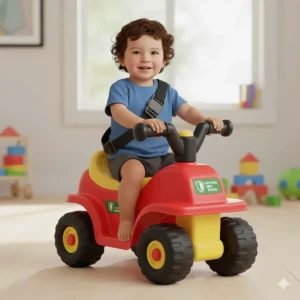
Ride on toys for toddlers aren’t just colorful distractions (though they definitely excel at that too). They’re developmental powerhouses disguised as playthings. According to the American Academy of Pediatrics, toddlers aged 1-3 need at least 3 hours of physical activity spread throughout the day. These wheeled wonders make hitting that goal feel less like a chore and more like an adventure.
From strengthening those wobbly little legs to boosting confidence and coordination, the right toddler ride on toy transforms everyday play into meaningful development. Whether you’re eyeing a classic push car, an electric vehicle, or something in between, finding the perfect match means considering your child’s age, developmental stage, and—let’s be honest—how much assembly you’re willing to tackle on a Saturday morning.
In this guide, we’re breaking down the top 7 best toddler ride on toys available in 2026, complete with real specifications, honest pros and cons, and everything you need to make the smartest choice for your tiny adventurer.
Quick Comparison Table
| Product | Age Range | Type | Price Range | Key Feature |
|---|---|---|---|---|
| Little Tikes Cozy Coupe | 18 months – 5 years | Push Car | $70-$90 | Iconic design with removable floorboard |
| Radio Flyer 4-in-1 Stroll ‘N Trike | 9 months – 5 years | Convertible Trike | $80-$120 | 4 stages of growth |
| Fisher-Price Smart Stages Scooter | 12 months – 3 years | Learning Scooter | $30-$50 | 50+ songs and phrases |
| Step2 Push Around Buggy GT | 18 months – 3 years | Parent Push Car | $80-$90 | Sports car styling |
| Power Wheels Dune Racer | 3 – 7 years | Electric Vehicle | $300-$400 | Monster Traction system |
| PlasmaCar Original | 3 years + | Wiggle Car | $50-$80 | No batteries needed |
| GYMNIC Rody Horse | 18 months – 5 years | Bouncy Hopper | $40-$60 | Inflatable, therapeutic |
💬 Just one click – help others make better buying decisions too! 😊
Top 7 Ride On Toys for Toddlers: Expert Analysis
1. Little Tikes Cozy Coupe – The Timeless Classic
The Little Tikes Cozy Coupe isn’t just a toy; it’s a childhood institution. This bright red and yellow beauty has been creating memories since 1979, and the 30th Anniversary Edition proves why it remains unbeatable.
Key Specifications:
- Weight capacity: Up to 50 lbs
- Dimensions: 29.5″ L x 16.5″ W x 33.5″ H
- Features working door, horn, ignition switch, cup holders
What makes the Cozy Coupe special? The removable floorboard that grows with your child. Start with parent-push mode for the youngest riders, then remove the floor when they’re ready to foot-power themselves around. The high seatback provides excellent support, while the 360-degree spinning front wheels make navigation smooth for tiny drivers.
Parents rave about its durability—many report this ride-on toy surviving multiple children and even getting passed down to cousins. The under-hood storage compartment is perfect for snacks and treasures, and that satisfying click of the ignition switch? Never gets old.
Pros:
✅ Incredibly durable construction
✅ Grows with your child
✅ Easy to assemble
Cons:
❌ Takes up significant storage space
❌ Wheels may scuff indoor floors
Price: $70-$90 on Amazon
2. Radio Flyer 4-in-1 Stroll ‘N Trike – The Growth Champion
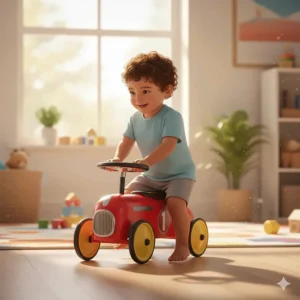
Talk about investment pieces—the Radio Flyer 4-in-1 Stroll ‘N Trike literally transforms as your child grows, offering four distinct stages from infant trike to classic tricycle.
Key Specifications:
- 4 riding stages: Infant trike, steering trike, learn-to-ride, classic trike
- Weight capacity: 49-50 lbs
- Includes UV-blocking canopy, 3-point harness, parent push handle
Starting as young as 9 months, this trike begins as a stroller alternative with a wraparound safety tray and adjustable canopy. As motor skills develop, remove accessories one by one until your preschooler pedals independently. The quiet-ride wheels won’t wake sleeping neighbors (or babies), and the rear storage bin holds all the essentials for longer outings.
The EZ Fold version takes convenience further—it collapses in seconds for car trunk storage or closet tucking. One mom shared, “My daughter used this from 12 months to age 4. The adjustable seat and removable features meant we never outgrew it—it just evolved with her.”
Pros:
✅ Exceptional longevity (9 months to 5 years)
✅ Premium safety features
✅ Easy folding mechanism
Cons:
❌ Higher price point
❌ Assembly can take 30-45 minutes
Price: $80-$120 on Amazon
3. Fisher-Price Laugh & Learn Smart Stages Scooter – The Educational Entertainer
Who says learning can’t be fun? The Fisher-Price Laugh & Learn Smart Stages Scooter combines physical play with developmental learning through its interactive dashboard featuring over 50 songs, sounds, and phrases.
Key Specifications:
- 3 Smart Stages learning levels
- Teaches letters, numbers, shapes, colors, opposites
- Motion-activated music rewards
- Wide-wheel base for stability
This isn’t your average toddler ride on toy. Press the shape buttons or honk the horn to trigger educational content that adapts across three levels: explore (12+ months), encourage (18+ months), and pretend (24+ months). The motion-activated feature rewards scooting with cheerful tunes, while the turn-key clicker adds realistic roleplay fun.
The textured hand grips are perfectly sized for small hands, and the stable base prevents tipping—crucial for early riders still mastering balance. Plus, at under $50, it’s budget-friendly without sacrificing quality. Many parents report this becomes the favorite toy during that challenging 18-24 month phase.
Pros:
✅ Outstanding educational value
✅ Extremely affordable
✅ Stable design prevents falls
Cons:
❌ Requires 2 AA batteries
❌ Songs may become repetitive for parents
Price: $30-$50 on Amazon
4. Step2 Push Around Buggy GT – The Sporty Cruiser
With its sleek sports car design, the Step2 Push Around Buggy GT brings serious style to the world of preschool ride-ons. This parent-powered vehicle makes walks and errands infinitely more enjoyable for both generations.
Key Specifications:
- Weight capacity: 50 lbs
- Extra-wide parent handle for comfortable pushing
- Under-hood storage compartment
- Working horn and steering wheel
The double-walled plastic construction screams durability, and Step2 backs it up with a reputation for lasting years without fading, cracking, or peeling. The easy-latch seatbelt keeps your co-pilot secure, while the molded cup holder means fewer stops for dropped sippy cups. Those “whisper ride” wheels? They live up to the name—smooth and nearly silent on both pavement and indoor floors.
Assembly is straightforward (most complete it in 20 minutes), and the handle folds down for convenient storage. One dad noted, “This replaced our stroller for quick neighborhood trips. My son loves ‘driving’ while I handle the real navigation.”
Pros:
✅ Stylish sports car design
✅ Excellent for stroller-resistant toddlers
✅ Easy to clean and maintain
Cons:
❌ Child can’t self-propel
❌ Handle height may be short for taller parents
Price: $80-$90 on Amazon
5. Power Wheels Dune Racer – The All-Terrain Beast
Ready to graduate to electric? The Power Wheels Dune Racer delivers authentic driving thrills for slightly older toddlers and preschoolers who’ve outgrown basic ride-ons.
Key Specifications:
- 12-volt rechargeable battery system
- Monster Traction drive system
- Two forward speeds (2.5 mph and 5 mph) plus reverse
- Weight capacity: 130 lbs (seats 2 riders)
- Steel frame construction
This isn’t a gentle Sunday drive—it’s a backyard adventure machine. The Monster Traction system powers over grass, gravel, and dirt without getting stuck, while the sturdy steel frame with chrome accents can handle enthusiastic drivers. Parent-controlled high-speed lockout lets you limit velocity for beginners, and the Power-Lock brakes provide instant stopping power.
The open cockpit design seats two, turning solo rides into shared adventures. Under-hood storage stashes toys or snacks, and the realistic dashboard adds authentic appeal. Battery life typically runs 40-60 minutes on a full charge—enough for plenty of driveway laps and backyard exploration.
Pros:
✅ Genuine driving experience
✅ Exceptional terrain capability
✅ Seats two riders
Cons:
❌ Significant investment
❌ Requires charging time
❌ Assembly is complex (1-2 hours)
Price: $300-$400 on Amazon
6. PlasmaCar Original by PlaSmart – The Physics Phenomenon
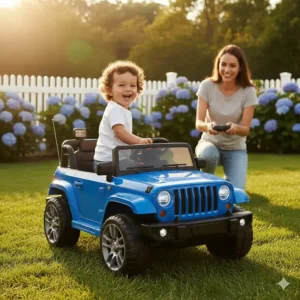
No batteries, no pedals, no gears—just pure physics-powered fun. The PlasmaCar Original uses natural forces like inertia and centrifugal force to propel riders forward with simple steering wheel movements.
Key Specifications:
- Weight capacity: Up to 220 lbs (yes, adults can ride too!)
- Dimensions: 31″ x 14″ x 16″
- Patented safety seat design
- Polypropylene wheels
Simply sit, place feet on the footrests, turn the steering wheel back and forth, and watch magic happen. The PlasmaCar can reach speeds up to 6 mph on smooth surfaces, making it equally fun indoors and outdoors. The award-winning design (multiple Oppenheim Seal Awards) helps develop coordination, balance, and motor skills while kids think they’re just playing.
Made from strong, durable plastic that supports even adult riders, this toy regularly becomes a family favorite. The quiet operation won’t disturb neighbors or household peace, and zero battery costs mean pure, uninterrupted fun. Many families report this outlasting traditional pedal cars simply because there are no parts to break or batteries to replace.
Pros:
✅ No batteries or maintenance required
✅ Supports even adult riders
✅ Works indoors and outdoors
Cons:
❌ Requires smooth, flat surfaces
❌ Learning curve for very young children
Price: $50-$80 on Amazon
7. GYMNIC Rody Horse – The Bouncing Buddy
Since 1984, the GYMNIC Rody Horse has been bringing joy and developmental benefits to children worldwide. This inflatable bouncing horse goes beyond entertainment—it’s actually used by therapists for motor skill development.
Key Specifications:
- Weight capacity: 100 lbs
- 12″ saddle height (adjustable via inflation)
- Latex-free, phthalate-free vinyl
- Made in Italy
Grip those adorable ears, settle into the contoured seat, and bounce away! The Rody Horse strengthens leg muscles, core stability, and arm function while improving balance and coordination. Physical therapists frequently recommend it for children with developmental needs, though all kids benefit from the active play it encourages.
The beauty lies in its adjustability—inflate more for older children, less for younger riders still building confidence. Ships deflated with a hand pump (usually sold separately), and the durable vinyl construction handles years of enthusiastic bouncing. Available in 13+ vibrant colors, Rody often becomes more than a toy—it becomes a companion, complete with a name and personality.
Pros:
✅ Excellent for core strength development
✅ Used therapeutically by professionals
✅ Compact storage when deflated
Cons:
❌ May slowly lose air over time
❌ Pump usually sold separately
❌ Limited to indoor or smooth outdoor surfaces
Price: $40-$60 on Amazon
Understanding Different Types of Toddler Vehicles
Not all ride on toys for toddlers are created equal. Understanding the main categories helps narrow your search and match your child’s current abilities with the right vehicle type.
Push Cars & Parent-Controlled Vehicles
Perfect for younger toddlers (12-24 months) still developing walking skills, these vehicles feature parent handles for steering control. They bridge the gap between strollers and independent riding, letting little ones feel autonomous while you maintain navigation. The Step2 Push Around Buggy GT exemplifies this category beautifully.
Pedal-Powered Ride-Ons
These traditional favorites require children to coordinate pushing with both feet to propel forward. Generally suitable from 18 months onward, they build leg strength and bilateral coordination. The Little Tikes Cozy Coupe leads this category with its removable floorboard that converts from push to pedal-powered.
Convertible Trikes
The Swiss Army knives of ride-on toys, convertible models transform through multiple stages as children grow. Starting with full parental control, they gradually transition to independent pedaling. The Radio Flyer 4-in-1 Stroll ‘N Trike offers exceptional value by spanning ages 9 months through 5 years.
Electric Ride-Ons
Battery-powered vehicles deliver authentic driving experiences for older toddlers (3+) with developed coordination. They require more supervision but provide thrilling independence. The Power Wheels Dune Racer dominates this category with its all-terrain capabilities.
Alternative Mobility Toys
This category includes unique options like wiggle cars (PlasmaCar) and bouncy hoppers (Rody Horse) that develop balance and coordination through innovative movement patterns rather than traditional riding or pedaling.
Safety First: Essential Guidelines for Toddler Ride On Toys
Let’s talk about the elephant in the playroom—safety. While ride on toys for toddlers offer tremendous developmental benefits, they require vigilant supervision and smart precautions.
Age-Appropriate Selection
Always check manufacturer age recommendations, and when in doubt, wait. A child who can’t yet walk steadily shouldn’t use a foot-powered ride-on. Similarly, electric vehicles demand coordination and impulse control typically developing around age 3. The American Academy of Pediatrics recommends matching toys to developmental stages, not just chronological age.
Protective Gear Essentials
Even for seemingly gentle ride-ons, helmets aren’t optional for anything with wheels. Many families skip helmets for slow push cars, but establishing the helmet habit early means less resistance when graduating to bikes and scooters. Add knee and elbow pads for electric vehicles or faster-moving toys.
Surface Considerations
Smooth, flat surfaces minimize tip-over risks. Avoid using ride-ons near stairs, pools, driveways with inclines, or anywhere near traffic. Indoor use requires checking that wheels won’t scratch floors—many parents place area rugs in designated “riding zones.”
Supervision Requirements
Never leave toddlers unattended with ride-on toys, period. Even stable, slow-moving vehicles can encounter unexpected obstacles or tip during enthusiastic use. Active supervision means staying within arm’s reach of younger toddlers and maintaining visual contact with older, more coordinated children.
Regular Maintenance Checks
Inspect toys monthly for loose screws, cracked plastic, worn wheels, or frayed straps. For electric models, verify battery connections and charging equipment integrity. Inflate bouncy toys to proper pressure—over-inflation increases burst risk while under-inflation affects stability.
Benefits Comparison: Active Play vs. Traditional Options
| Benefit Category | Ride On Toys | Traditional Walking | Screen Time |
|---|---|---|---|
| Gross Motor Development | ⭐⭐⭐⭐⭐ | ⭐⭐⭐⭐ | ⭐ |
| Coordination Skills | ⭐⭐⭐⭐⭐ | ⭐⭐⭐ | ⭐ |
| Independent Play | ⭐⭐⭐⭐⭐ | ⭐⭐⭐ | ⭐⭐⭐⭐ |
| Imaginative Development | ⭐⭐⭐⭐ | ⭐⭐⭐ | ⭐⭐ |
| Cardiovascular Activity | ⭐⭐⭐⭐ | ⭐⭐⭐⭐⭐ | ⭐ |
| Social Interaction | ⭐⭐⭐⭐ | ⭐⭐⭐⭐ | ⭐ |
How Ride On Toys Boost Motor Skill Development
Here’s where science meets playtime. Every time your toddler climbs aboard a ride-on toy, they’re engaging in complex physical and cognitive activities that build crucial developmental milestones.
Gross Motor Skills Enhancement
Large muscle movements—pushing, pedaling, steering—strengthen legs, arms, and core muscles. Research published in the Journal of Pediatric Psychology shows children who regularly engage with ride-on toys demonstrate significantly improved gross motor coordination compared to peers with limited access to such toys.
The action of propelling themselves forward requires bilateral coordination (using both sides of the body together), which lays groundwork for future activities like swimming, climbing, and sports participation. Even simple foot-to-floor scooting builds leg strength essential for running and jumping.
Balance and Coordination
Maintaining position on a moving vehicle challenges the vestibular system—the inner ear structures responsible for balance. Each wobble and correction teaches the body how to stay upright and adjust to shifting weight distribution. This explains why early ride-on toy users often transition more smoothly to balance bikes and bicycles.
Spatial Awareness Development
Navigating around furniture, judging doorway widths, and avoiding obstacles hones spatial reasoning skills. Children learn to assess distances, estimate speeds, and make split-second directional decisions. These cognitive skills transfer to everyday activities like navigating crowded spaces or participating in organized sports.
Fine Motor Skill Refinement
While gross motor skills steal the spotlight, fine motor development happens simultaneously. Gripping steering wheels, manipulating buttons, fastening seatbelts, and adjusting positions all require precise hand movements and finger dexterity. The Fisher-Price Smart Stages Scooter particularly excels here with its interactive dashboard features.
Age-Specific Recommendations
For 12-18 Month Olds
At this stage, stability reigns supreme. Look for wide bases, low centers of gravity, and slow speeds. The Fisher-Price Laugh & Learn Smart Stages Scooter offers excellent stability with developmental bonuses. Parent-controlled push cars also work brilliantly, providing riding experience without independent navigation risks.
Key Features to Prioritize:
- Four wheels for maximum stability
- Low seat height (allows feet to touch ground)
- High back support
- No small detachable parts
For 18-24 Month Olds
This transition period sees toddlers gaining confidence and coordination rapidly. They’re ready for foot-powered vehicles that let them control speed through pushing. The Little Tikes Cozy Coupe with its removable floorboard perfect transitions them from parent-pushed to self-propelled.
Key Features to Prioritize:
- Removable support features
- Easy-grip handles
- Simple steering mechanisms
- Parent push handles (still useful for longer outings)
For 2-3 Year Olds
Independence explodes during this phase. Children want control and show capability for more complex vehicles. Consider convertible trikes like the Radio Flyer 4-in-1 where you can gradually remove assistance features. The PlasmaCar also debuts successfully here for coordinated children.
Key Features to Prioritize:
- Adjustable features for growth
- Multiple modes or stages
- Storage compartments (they love hauling treasures)
- Realistic features (horns, lights, doors)
For 3-5 Year Olds
The big kid stage! They’re ready for genuine challenges like electric vehicles, balance bikes, and more adventurous ride-ons. The Power Wheels Dune Racer delivers thrilling age-appropriate excitement, while the GYMNIC Rody Horse continues providing active play benefits.
Key Features to Prioritize:
- Speed controls and parental overrides (for electric models)
- Terrain capabilities for varied environments
- Weight capacities supporting larger children
- Social features (two-seater options)
💡 Don’t Miss These Exclusive Deals!
🔍 Take your child’s playtime to the next level with these carefully selected ride-on toys. Click on any highlighted item to check current pricing and availability. These toys will help you create authentic childhood memories your family will treasure forever!

Maintenance and Care Tips for Longevity
Investing in quality ride on toys for toddlers means nothing if poor maintenance shortens their lifespan. Here’s how to keep these play essentials running smoothly for years—or even multiple children.
Cleaning Protocols
Wipe down plastic surfaces weekly with mild soap and water or disinfecting wipes. Pay special attention to handles, steering wheels, and seats where hands (and sometimes mouths) make frequent contact. For fabric components like Radio Flyer trike canopies, spot-clean spills immediately and do monthly deeper cleanings per manufacturer instructions.
Electric vehicles need extra caution—never hose down battery compartments or electrical connections. Use damp cloths around those areas and ensure everything dries completely before next use.
Storage Solutions
Indoor storage dramatically extends ride-on toy lifespans. If garage or shed storage is your only option, invest in weatherproof covers. Direct sunlight fades colors and weakens plastic over time, while moisture encourages rust on metal components and degrades batteries.
For inflatables like the Rody Horse, deflate for compact storage between play sessions, especially in households where space is premium. This also prevents accidental punctures from pets or sharp objects.
Battery Maintenance for Electric Models
Electric ride-ons like the Power Wheels Dune Racer require thoughtful battery care. Charge fully before first use, then recharge immediately after each play session—even if the battery isn’t depleted. Never let batteries sit uncharged for extended periods, especially during winter storage. Consider removing batteries entirely for long-term storage (3+ months) and storing them in moderate temperatures.
Wheel and Axle Attention
Check wheels monthly for debris buildup, especially if used outdoors. Hair, grass, and dirt can wrap around axles, creating friction and noise. A quick inspection and cleaning prevents premature wear. For vehicles with inflatable tires, maintain proper pressure per manufacturer specifications.
Environmental and Safety Standards
Responsible parents (that’s you!) want ride on toddler toys meeting rigorous safety standards. Understanding certifications helps make informed decisions.
Key Safety Certifications
- ASTM F963: American Society for Testing and Materials standard for toy safety
- CPSIA: Consumer Product Safety Improvement Act compliance ensuring lead-free materials
- EN71: European safety standard (many top brands meet both US and EU requirements)
Reputable manufacturers clearly display these certifications on packaging and product documentation. The GYMNIC Rody Horse, for example, proudly touts ASTM, EN71, ISO, and ICTI certifications—testament to its therapeutic-grade quality.
Material Considerations
Avoid ride-ons with strong chemical smells indicating potentially harmful off-gassing. Quality toys use phthalate-free, BPA-free plastics. For painted surfaces, verify lead-free certification. Fabric components should meet flame-resistant standards.
Recall Awareness
Check the Consumer Product Safety Commission (CPSC) website periodically for recalls. Even reputable brands occasionally issue recalls for specific batches. Register products when possible so manufacturers can contact you directly about safety concerns.
Price Range and Value Analysis
| Price Category | Range | Representative Products | Best For |
|---|---|---|---|
| Budget-Friendly | $30-$60 | Fisher-Price Scooter, GYMNIC Rody Horse | Single-age stage, trying new toy types |
| Mid-Range | $70-$120 | Little Tikes Cozy Coupe, Radio Flyer Trike | Multi-year use, quality construction |
| Premium | $300-$400 | Power Wheels Dune Racer | Advanced features, electric vehicles |
Calculating Cost-Per-Use
That $400 Power Wheels Dune Racer might give sticker shock initially, but consider: it serves ages 3-7 (potentially 4 years), seats two children, and withstands outdoor conditions. If two siblings share it for 4 years with average weekly use (50 sessions annually × 4 years = 200 uses per child), that’s $1 per use per child.
Compare that to a $30 toy used only six months before being outgrown, and suddenly the premium option shows remarkable value. The Radio Flyer 4-in-1 Trike exemplifies excellent value, serving from 9 months to 5 years—potentially 4.5 years of near-daily use.
Budget-Friendly Excellence
You absolutely don’t need to break the bank for quality. The Fisher-Price Smart Stages Scooter delivers exceptional educational value and sturdy construction under $50. The GYMNIC Rody Horse, while requiring pump purchase, offers therapeutic-grade quality at budget-friendly pricing.
Real Parent Reviews: What Actually Matters
We scoured thousands of verified purchase reviews to identify patterns beyond basic star ratings. Here’s what parents consistently prioritize—and what they wish they’d known before buying.
Durability Over Everything
Parents universally value longevity over flashy features. Reviews repeatedly praise products surviving multiple children, rough play, and outdoor storage. The Little Tikes Cozy Coupe receives endless testimonials about lasting through 2-3 children without breaking, fading, or losing wheels.
Conversely, ride-ons requiring frequent repairs or replacement parts generate frustration regardless of initial low cost. “I’ve bought four cheap ride-ons trying to save money, and spent more than just buying quality initially,” one parent lamented.
Assembly Complexity Reality Check
Manufacturer estimates rarely match real-world assembly time. Budget an extra 30-60 minutes beyond stated times, especially for complex electric vehicles. Parents recommend having another adult assist with the Power Wheels Dune Racer assembly—one person holds pieces while the other secures fasteners.
The universal assembly tip? Organize hardware first, follow instructions precisely (resist the urge to “figure it out”), and power tools are your friend for tightening screws uniformly.
The Noise Factor
Something manufacturers conveniently omit: sound levels. Electric vehicles produce motor noise. Learning toys feature repetitive songs. Even “whisper-quiet” wheels create sound on certain floor types. Parents recommend testing volume controls immediately and, for electronic toys, checking whether speakers can be covered (duct tape works, they report) without harming functionality.
Where to Buy: Online vs. Retail Considerations
Amazon Advantages
Amazon dominates ride-on toy sales for good reasons: competitive pricing, extensive reviews, easy returns, and fast Prime shipping. Many products featured here show exclusive Amazon pricing or bundles unavailable elsewhere. The review system, while imperfect, provides valuable insights from verified purchasers.
Pro Tips for Amazon Purchasing:
- Check “Other Sellers” options—sometimes third-party sellers offer lower prices
- Set price alerts using browser extensions like CamelCamelCamel
- Review return policies carefully, especially for large items
- Prime Day and Black Friday typically offer 20-40% discounts
Retail Store Benefits
Physical stores let you assess size, test wheel movement, check quality, and compare models side-by-side. Many stores offer floor models for children to test-drive. Target, Walmart, and specialty toy stores frequently price-match Amazon while offering immediate pickup.
For large items like the Power Wheels Dune Racer, retail purchases eliminate concern about shipping damage and delivery wrestling with oversized boxes.
Common Mistakes to Avoid When Buying
Mistake #1: Ignoring Weight Limits
Weight capacities exist for safety reasons, not suggestions. Exceeding limits risks structural failure, tipping, and injuries. Don’t assume your smaller-than-average child can safely use toys rated for older ages—developmental readiness matters more than physical size.
Mistake #2: Overlooking Growth Features
Toys without adjustability quickly become outgrown. The few extra dollars for convertible models like the Radio Flyer 4-in-1 Trike pays dividends through years of use versus months. Removable features, adjustable seats, and multi-stage designs justify higher initial investment.
Mistake #3: Neglecting Storage Planning
That adorable ride-on toy needs to live somewhere. Measure your storage area before purchasing. Will it fit through doorways? Can it be broken down or folded? Will outdoor storage degrade it quickly? The PlasmaCar, while fantastic, requires significant floor space—challenging in smaller homes.
Mistake #4: Chasing Trends Over Fundamentals
Character licensing (Disney princesses, superheroes) often adds cost without improving quality or functionality. If your child will outgrow the character interest in six months, invest in timeless designs instead. The Little Tikes Cozy Coupe classic red-yellow remains beloved precisely because it doesn’t depend on fleeting character popularity.
Frequently Asked Questions
❓ What age is best to start using ride on toys for toddlers?
❓ Are electric ride on toys safe for 2 year olds?
❓ How do I choose between a push car and a pedal trike for my toddler?
❓ Can ride on toys be used on carpet or only hard floors?
❓ How long do batteries last in electric toddler vehicles?
Conclusion: Choosing the Perfect Ride On Toy
Selecting the right toddler ride on toy ultimately boils down to three factors: your child’s current developmental stage, your space and budget parameters, and how many years of use you’re targeting.
For maximum longevity and value, the Radio Flyer 4-in-1 Stroll ‘N Trike can’t be beat, growing with your child from 9 months through 5 years. If budget consciousness leads your decision, the Fisher-Price Smart Stages Scooter delivers exceptional quality and educational features under $50.
Want timeless durability? The Little Tikes Cozy Coupe continues creating childhood memories three decades after its introduction. Seeking outdoor adventure? The Power Wheels Dune Racer transforms backyards into off-road racetracks. Need something unique? The PlasmaCar Original offers physics-powered fun unlike anything else.
Remember, the best toddler vehicles aren’t necessarily the most expensive or feature-packed—they’re the ones matching your child’s abilities while challenging them to grow. As the American Academy of Pediatrics emphasizes, active play through toys like these isn’t optional luxury—it’s essential for healthy development.
Whatever you choose, you’re investing in more than a toy. You’re purchasing countless hours of joyful exercise, skill development, confidence building, and memory creation. Those first wobbly rides transform into confident cruising, and before you know it, you’ll be waving goodbye to your kindergartener on their first day of school—wondering where the time went and treasuring photos of those early riding adventures.
So choose thoughtfully, supervise carefully, and most importantly, enjoy watching your toddler discover the freedom and fun of their very first wheels. The journey is just beginning, and oh, what a ride it will be! 🚗
Recommended for You
- 7 Best Ride On Toys for 1 Year Old Boy in 2026 – Parent’s Guide
- 7 Best Infant Ride On Toys 2026
- 7 Best Push Ride On Toys for 1 Year Olds 2026
Disclaimer: This article contains affiliate links. If you purchase products through these links, we may earn a small commission at no additional cost to you.
✨ Found this helpful? Share it with your friends! 💬🤗
