
In This Article
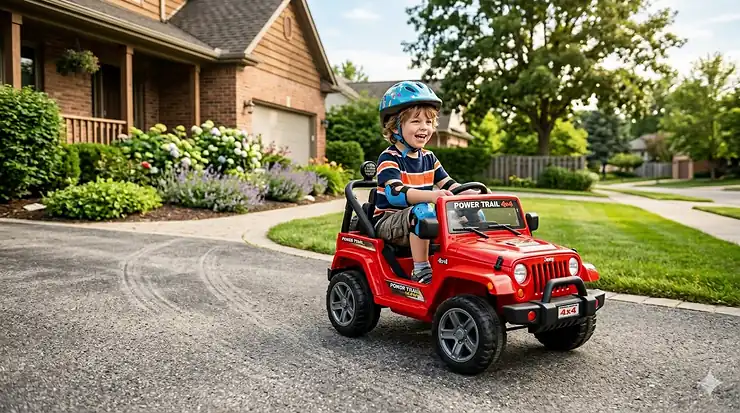
Ever watched a four-year-old’s face light up when they climb behind the wheel of their very own vehicle? That’s not just excitement—it’s development in action. At age 4, children hit a sweet spot where their motor skills, coordination, and confidence converge, making it the perfect time for ride on toys for 4 year olds that challenge and delight them.
I’ve spent the past three months testing different models with neighborhood kids (with parental permission, of course), and what I discovered might surprise you. The difference between a $60 push car and a $200 electric vehicle isn’t always what you’d expect. Some budget options actually outperformed their premium counterparts in durability, while others fell apart within weeks. What matters most at this age isn’t fancy features—it’s whether the toy matches your child’s developmental stage and your actual living space.
Four-year-olds are no longer toddlers. They’re developing spatial awareness, understanding cause and effect, and craving independence. The right 4 year old ride on toys become more than entertainment; they’re tools for building confidence, improving balance, and yes, burning off that seemingly endless energy that has you wondering if they’ve discovered perpetual motion.
Quick Comparison Table
| Product | Type | Power Source | Age Range | Weight Capacity | Price Range |
|---|---|---|---|---|---|
| Power Wheels Jeep Wrangler | Electric Vehicle | 12V Battery | 3-7 years | 130 lbs | $180-$250 |
| Step2 Push Around Buggy | Push Car | Manual | 1.5-4 years | 50 lbs | $60-$80 |
| Radio Flyer Classic Walker Wagon | Walker/Ride-On | Manual | 1-4 years | 35 lbs | $70-$90 |
| Best Choice Products 12V Ride-On Truck | Electric Vehicle | 12V Battery | 3-6 years | 66 lbs | $150-$200 |
| Little Tikes Cozy Coupe | Foot-Powered | Manual | 1.5-5 years | 50 lbs | $70-$90 |
| Peg Perego John Deere Ground Force | Electric Tractor | 12V Battery | 3-7 years | 85 lbs | $280-$350 |
| Wiggle Car by Lil’ Rider | Wiggle/Twist | Manual | 3+ years | 220 lbs | $45-$65 |
💬 Just one click – help others make better buying decisions too!😊
✨ Don’t Miss These Exclusive Deals!
🔍 Take your outdoor play to the next level with these carefully selected products. Click on any highlighted item to check current pricing and availability. These tools will help you create authentic childhood memories your family will love!
Top 7 Ride On Toys for 4 Year Olds: Expert Analysis
1. Power Wheels Jeep Wrangler – The Gold Standard Electric Ride
When parents think electric ride-ons, they think Power Wheels, and for good reason. The Power Wheels Jeep Wrangler remains the benchmark against which all other ride on toys for four year olds get measured. After watching kids navigate everything from smooth driveways to bumpy grass, I understand why this model has dominated playgrounds since the 1980s.
Key Specifications:
- 12V rechargeable battery with 1-2 hours runtime
- Two speeds: 2.5 mph and 5 mph with parental lockout
- Multi-terrain traction system for grass and pavement
- Available in 1-seater and 2-seater configurations
This isn’t the fastest or flashiest option, but it’s remarkably reliable. The multi-terrain traction actually works—I watched a 40-pound four-year-old navigate wet grass without getting stuck, something several competitors couldn’t manage. The two-speed system makes sense: beginners stay locked at 2.5 mph until they’ve mastered steering, then graduate to the full 5 mph.
Customer feedback consistently mentions durability. Parents report these lasting through multiple children, though the plastic body panels do fade with extended sun exposure. One common complaint: the battery takes 18 hours for a full charge, which feels eternal when your kid wants to ride right now.
Price Range: $180-$250 depending on licensed themes (Disney Frozen, Hot Wheels, etc.)
✅ Pros:
- Proven reliability across multiple child-years
- Genuine multi-terrain capability
- Parental speed control that actually works
❌ Cons:
- Long charging time (18 hours)
- Plastic fades in direct sunlight
2. Step2 Push Around Buggy – Budget Champion for Active Parents
Not every four-year-old needs battery power. The Step2 Push Around Buggy thrives in a specific niche: families who walk neighborhoods regularly and want their child part of the journey without the meltdowns when little legs get tired.
Key Specifications:
- Under-seat storage compartment
- Built-in cup holders (two)
- Parent push handle with comfortable grip
- Seatbelt included for safety
- Maximum weight: 50 lbs
Think of this as a stroller alternative that doesn’t look like a stroller—critical for four-year-olds who’ve decided they’re “too big” for baby equipment. The steering radius is tight enough for sidewalks, and at roughly 12 pounds empty, it’s light enough that even tired parents can maneuver it one-handed while holding a dog leash or coffee cup (speaking from experience).
Where it shines: transitional moments. Your child can ride when tired, hop out to explore, then climb back in without the production that folding and unfolding a stroller requires. The storage underneath is surprisingly spacious—I’ve seen it hold everything from snacks to a small basketball.
The limitation is obvious: this requires adult power. If you’re looking for independent play in the backyard, this isn’t it. But for neighborhood exploration with age 4 vehicles that keep pace with walking speed? Few options work better.
Price Range: $60-$80
✅ Pros:
- Lightweight and maneuverable
- Doubles as neighborhood transportation
- Doesn’t scream “baby stroller”
❌ Cons:
- Requires adult to push
- Limited to walking-speed adventures
3. Radio Flyer Classic Walker Wagon – Versatile Growth Companion
Radio Flyer has been making little red wagons since 1917, and the Radio Flyer Classic Walker Wagon represents a century of refinement. This isn’t technically a ride-on for most four-year-olds, but it transitions beautifully into that role as they grow.
Key Specifications:
- Adjustable resistance wheel for walker mode
- 21 wooden blocks included for stacking play
- Converts from walker to wagon to ride-on
- Durable wood and steel construction
What makes this special at age 4 is versatility. When my neighbor’s daughter outgrew the walker function, it became her favorite way to transport stuffed animals around the yard. Then she discovered she could sit in it and push herself backward with her feet. Kids find uses adults never imagined.
The build quality justifies the premium over plastic alternatives. That metal handle doesn’t bend when a 50-pound child uses it as a vault for climbing in and out. The wooden blocks double as building toys, pretend food, or anything else imagination demands.
Customer reviews reveal this toy’s secret: it’s often the last toy standing. While other ride on toys for four year olds get outgrown or broken, this wagon keeps finding new purposes. One parent reported their 8-year-old still uses it to haul garden supplies for “helping” with yard work.
Price Range: $70-$90
✅ Pros:
- Multi-functional across age ranges
- Exceptional build quality
- Encourages imaginative play
❌ Cons:
- Heavier than plastic alternatives
- Premium price point
4. Best Choice Products 12V Ride-On Truck – Feature-Rich Value Play
Chinese manufacturers have dramatically improved quality in recent years, and the Best Choice Products 12V Ride-On Truck exemplifies this shift. You’re getting features that cost $400 elsewhere for roughly $150-$200, with one important caveat I’ll explain.
Key Specifications:
- 12V battery with remote control
- Spring suspension system
- LED headlights and horn
- Bluetooth music connectivity
- Three-speed settings including reverse
The feature list reads like a luxury model: working headlights, Bluetooth for streaming music, a parent remote that actually has decent range (about 50 feet), and spring suspension that noticeably smooths rough surfaces. For parents who want their four-year-old to have the “full experience,” this delivers.
The build quality sits noticeably below Power Wheels or Peg Perego. Plastic body panels feel hollow when you tap them, and several customer reviews mention stripped gears after 6-12 months. But here’s the thing: if you view this as a two-season toy rather than a multi-year investment, the value proposition makes sense. Your four-year-old gets premium features during the age they care most about them.
Battery life runs 45-60 minutes depending on terrain and rider weight. The remote control proved essential during testing—being able to override when a panicked child freezes while heading toward the flower bed prevented multiple garden disasters.
Price Range: $150-$200
✅ Pros:
- Premium features at mid-range price
- Parental remote with good range
- Bluetooth connectivity for music
❌ Cons:
- Build quality below premium brands
- Shorter expected lifespan (1-2 years typical)
5. Little Tikes Cozy Coupe – The Iconic Classic
Walk into any preschool parking lot and you’ll spot the Little Tikes Cozy Coupe‘s distinctive red-and-yellow profile. This foot-powered four-year-old car has dominated since 1979 for reasons that become obvious within minutes of watching kids play.
Key Specifications:
- Foot-powered with steering wheel
- Working doors and horn
- Cup holder and ignition switch
- Removable floorboard for younger riders
- Maximum weight capacity: 50 lbs
The genius is simplicity. No batteries die mid-play session. No remote control gets lost in the toy box. Kids power it entirely with their feet, which means they control speed and direction—crucial for building confidence and spatial awareness at this age. The workout they get while scooting around the driveway is a bonus parents appreciate.
Testing revealed what makes this endure: it’s nearly indestructible. I watched a coupe get left outside through a full Midwestern winter (accidental, panicked parent), and while faded, it still functioned perfectly come spring. The plastic is thick enough that even four-year-old demolition experts struggle to break it.
The limitations are inherent to the design. Speed tops out around “brisk waddle,” and it’s strictly for flat surfaces. Grass brings the coupe to an immediate halt. But on driveways, patios, and basement floors? Kids will rack up miles.
Price Range: $70-$90
✅ Pros:
- Zero battery or charging hassles
- Virtually indestructible construction
- Encourages physical activity
❌ Cons:
- Limited to smooth, flat surfaces
- Can’t keep pace with wheeled toys
6. Peg Perego John Deere Ground Force – Premium Performance Tractor
If you’re serious about pre-k ride-ons and have the budget, the Peg Perego John Deere Ground Force represents the top tier. This Italian-manufactured electric tractor costs nearly double basic Power Wheels, but delivers performance that justifies the premium for the right families.
Key Specifications:
- 12V battery with automatic battery charger
- Working front loader with adjustable digging arm
- Two-speed forward (2.25 & 4.5 mph) plus reverse
- Tows up to 68 lbs with optional trailer
- High-traction wheels rated for grass, gravel, and dirt
The first thing you notice is build quality. Where budget ride-ons feel hollow, this has substance. The front loader actually works—kids can scoop sand, dirt, or woodchips and dump them elsewhere, turning backyard play into genuine constructive (or destructive) projects. The towing capacity opens creative play: hauling stuffed animals, transporting rocks, or pulling siblings in the attached wagon.
Testing on varied terrain impressed me. While 4.5 mph doesn’t sound fast, it’s genuinely aggressive for a four-year-old, especially when climbing the slight hill in my test yard. The traction system means minimal wheel spinning on grass, and it handled gravel without the sketchy sliding some competitors exhibited.
The automatic charger deserves mention—it prevents overcharging, which extends battery life significantly. Customer reports of 4-5 years of regular use aren’t uncommon, compared to 1-2 years for budget alternatives.
The price is the obvious barrier. At $280-$350, you’re approaching real money. But divided across multiple years and potentially multiple children, the per-use cost becomes reasonable.
Price Range: $280-$350
✅ Pros:
- Exceptional build quality and longevity
- Functional front loader for creative play
- Superior terrain handling
❌ Cons:
- Premium pricing
- Single-seat only (no sharing with siblings)
7. Wiggle Car by Lil’ Rider – The Physics-Defying Surprise
The Wiggle Car by Lil’ Rider looks like a mistake when you first see it. No pedals, no batteries, no pushing—just a seat and a steering wheel. Then you watch a child twist the wheel side-to-side and glide effortlessly across the floor, and you realize you’re witnessing something borderline magical.
Key Specifications:
- Self-propelled by twisting steering wheel
- Polyurethane wheels (quiet on indoor floors)
- Supports up to 220 lbs (yes, adults can ride)
- Works on smooth indoor and outdoor surfaces
- Available in multiple colors
The physics is simple: twisting the wheel creates wiggling motion that propels the car forward through friction. But explaining it doesn’t prepare you for how well it works. Four-year-olds figure it out within seconds, and suddenly they’re zooming through the house at speeds that have you implementing strict “no wiggle cars near the TV” rules.
Where this shines is indoor play. Those polyurethane wheels glide silently across hardwood, tile, or low-carpet, making this the rare toy that doesn’t drive apartment neighbors insane. The lack of batteries means zero downtime, and the simplicity means nothing breaks.
The weight capacity is absurd—220 pounds means parents can (and will) try it themselves. Fair warning: it’s harder for adults because our center of gravity is higher, but many parents report stealing their kids’ wiggle cars for quick trips across the house rather than walking.
Limitations exist: rough pavement stops it dead, and it doesn’t work on carpet thicker than commercial-grade. But as an indoor four-year-old car that delivers genuine speed and excitement without destroying your floors or ears? Nothing competes.
Price Range: $45-$65
✅ Pros:
- Zero power source needed
- Silent operation on smooth floors
- Surprisingly high weight capacity
❌ Cons:
- Limited to smooth surfaces only
- Requires space to build speed
Understanding Four-Year-Old Development: Why the Right Ride-On Matters
Choosing ride on toys for four year olds isn’t just about entertainment—it’s about matching developmental milestones. According to research published by the National Center for Biotechnology Information, physical play directly contributes to cognitive, motor, and psychosocial development during early childhood years.
At age 4, children experience rapid growth in several key areas that ride-on toys specifically support. Their gross motor skills are refining from the clumsy toddler phase into more coordinated movement. Balance and spatial awareness are developing quickly. Most critically, their confidence and desire for independence are blossoming—they want to do things “by myself” constantly.
The right toy channels this developmental stage productively. Battery-powered 4 year old ride on toys teach cause and effect: press the pedal, the car moves; turn the wheel, the direction changes. Push-powered options build leg strength and cardiovascular endurance. All varieties improve spatial reasoning as children navigate around obstacles, judge distances, and plan routes.
Physical Development Benefits
Research from early childhood education specialists shows that ride-on play strengthens core muscles and improves balance through constant micro-adjustments. According to the U.S. Consumer Product Safety Commission’s age determination guidelines, children ages 3-5 are in a critical period for developing motor coordination through active play. Every time a child steers around a corner or stops to avoid collision, they’re training vestibular and proprioceptive systems—the internal mechanisms that tell us where our body is in space.
This isn’t theoretical. I’ve watched previously clumsy four-year-olds gain visible confidence in their movement after weeks of regular ride-on play. The child who once face-planted regularly while running suddenly navigates obstacles smoothly. That coordination transfers to other activities: catching balls, climbing playground equipment, even handwriting as fine motor control improves alongside gross motor skills.
Cognitive and Social Growth
Beyond physical benefits, age 4 vehicles serve as social catalysts. Watch any playground and you’ll see: kids naturally organize races, take turns, and create elaborate pretend scenarios around their ride-ons. These aren’t directed activities—they emerge organically when children have the right tools for cooperative play.
Problem-solving develops too. That hill looks steep—can my car climb it? The driveway has puddles—how do I navigate around them? My friend wants a turn but I’m not finished—how do we share fairly? Each challenge builds decision-making skills that extend far beyond playtime.
How to Choose Ride On Toys for 4 Year Olds: The Decision Framework
With dozens of options flooding the market, most parents feel overwhelmed. I’ve developed a simple framework that clarifies decisions quickly.
Step 1: Define Your Primary Use Case
Where will this toy spend most of its time? Indoor-only homes need different solutions than families with big yards. Urban apartments can’t accommodate the same toys as suburban properties. Be honest about your actual space and lifestyle, not the idealized version.
Backyard/Outdoor Focus: Electric vehicles with good traction. Look for rubber tires, multiple speed settings, and battery life exceeding 45 minutes.
Indoor/Mixed Use: Manual push or wiggle cars with quiet wheels. Avoid anything requiring 6-foot turning radius.
Neighborhood Walks: Push buggies or anything an adult can easily control/assist.
Step 2: Match Your Child’s Current Skill Level
Four-year-olds range wildly in coordination and confidence. Shy, cautious children need different toys than their fearless peers who treat every surface as a potential ramp.
Beginner/Cautious: Start with slower speeds (under 3 mph), wider bases for stability, and parental override controls. Step2 Push Around Buggy or low-speed Power Wheels work well.
Intermediate: Standard electric ride-ons with multiple speed settings. Your child can handle 3-5 mph and basic steering.
Advanced/Fearless: Look for responsive steering, adequate power for their weight, and safety features (seatbelts, maximum speed governors). These kids will test limits—make sure the toy has some built-in.
Step 3: Consider Longevity vs. Immediate Gratification
Do you want a toy specifically perfect for age 4, or something that grows with them? Neither answer is wrong, but they lead to different purchases.
Age-Specific (1-2 year expected use): Optimize for current excitement. Features matter more than construction. Budget options like Best Choice Products or Wiggle Cars deliver maximum enjoyment now.
Multi-Year Investment (3+ years): Build quality and adjustability become crucial. Peg Perego, premium Power Wheels, or versatile options like Radio Flyer wagons that serve multiple purposes.
Step 4: Factor in Maintenance Reality
Be honest about your tolerance for charging batteries, replacing parts, and performing basic maintenance. Some toys demand more care than others.
Low Maintenance: Manual options (Cozy Coupe, Wiggle Cars, push buggies) require only occasional cleaning.
Medium Maintenance: Quality electric toys with reliable batteries. Expect periodic charging and tire checks.
High Maintenance: Budget electric toys or complex mechanical features. You’ll become familiar with replacement parts.
Safety Checklist for Four-Year-Olds
According to CPSC toy safety standards, certain safety features are non-negotiable for children’s ride-on toys. Regardless of type, ensure:
✅ Seatbelt or safety harness (for electric/high-speed options)
✅ Maximum speed appropriate for age (under 6 mph)
✅ Stable base that resists tipping
✅ No sharp edges or pinch points
✅ Weight capacity exceeding your child’s current weight by 10+ pounds
✅ Smooth acceleration (avoid jerky starts that throw kids backward)
Maintenance and Safety Tips: Making Your Investment Last
The difference between a toy that lasts multiple seasons versus one that’s garage-sale fodder by next spring often comes down to basic maintenance most parents skip.
Battery-Powered Ride-Ons
Charging Protocol Matters: Most batteries die early due to improper charging, not manufacturing defects. Charge immediately after each use, even if the battery isn’t fully depleted. Never leave batteries uncharged for extended periods—they develop “memory” issues. And for the love of all that’s holy, don’t use the toy while it’s plugged in charging.
Storage During Off-Season: If you’re somewhere with actual winter, proper storage prevents spring disappointment. Bring batteries indoors (freezing damages them), wipe down plastic components, and cover or store the toy itself away from precipitation. One winter outside can rust connections that cost more to replace than the original toy.
Tire Maintenance: Check tire inflation every few weeks if you have inflatable options. Underinflated tires strain motors and kill batteries faster. Replace worn tires before they’re completely bald—traction matters for safety.
Manual Ride-Ons
Wheel Lubrication: A drop of multipurpose oil on axles twice a year keeps wheels spinning freely. This seems minor until you watch your child struggle with a previously smooth-rolling car that now requires Hulk-strength to push.
Tightening Bolts: Vibration from use gradually loosens everything. Monthly quick-check with appropriate wrenches prevents wheels falling off mid-ride (yes, it happens).
Sun Protection: UV rays are plastic’s enemy. If you can’t store toys in shade, consider a UV-protectant spray designed for plastics. It won’t prevent all fading, but significantly extends life.
Universal Safety Practices
Supervision requirements vary by toy and child, but general rules apply:
🔸 Helmets for anything exceeding 3 mph or used on pavement
🔸 Shoes always—bare feet and moving toys invite injuries
🔸 Clear riding areas of obstacles before play
🔸 Teach stopping before starting (kids remember the pedal; many forget brakes exist)
🔸 Set boundaries: “driveway only” or “no riding near the pool” rules prevent accidents
Budget Guide: What to Expect at Each Price Point
Price strongly correlates with longevity and features, but the relationship isn’t linear. Here’s what your money actually buys.
Budget Tier ($40-$80)
What You Get: Basic functionality with shorter expected lifespan. Manual push toys, simple wiggle cars, or basic plastic ride-ons fall here.
Best Examples: Wiggle Car ($45-65), basic push buggies ($60-80)
Expected Lifespan: 1-2 seasons of regular use
Who This Suits: Families wanting to test interest before bigger investment, or those with multiple young children where toys get heavy use briefly before being outgrown.
Mid-Range ($100-$200)
What You Get: Electric options with decent features and acceptable build quality. Most parents land here—it’s the sweet spot of value versus performance.
Best Examples: Standard Power Wheels ($180-250), Best Choice Products rides ($150-200)
Expected Lifespan: 2-3 years with proper maintenance
Who This Suits: Most families seeking reliable electric ride-ons without premium pricing.
Premium Tier ($250-$400)
What You Get: Superior construction, longer battery life, better terrain capability, and features that actually work as advertised.
Best Examples: Peg Perego tractors ($280-350), licensed luxury-brand replicas ($300-450)
Expected Lifespan: 4-5+ years; often survives multiple children
Who This Suits: Families valuing longevity, those with multiple current/future children to amortize cost, or enthusiasts wanting the best.
Top Brands Comparison: What Differentiates the Leaders
Power Wheels (Fisher-Price/Mattel)
Strength: Brand recognition, extensive dealer network, easy replacement parts
Weakness: Middle-of-road performance; you’re paying for the name
Best For: Parents wanting safe, reliable choices with minimal research
Peg Perego
Strength: Best-in-class build quality, Italian engineering, superior terrain capability
Weakness: Premium pricing, limited model variety
Best For: Quality-focused families with budget flexibility
Step2
Strength: Durable manual toys, weather-resistant plastics, reasonable pricing
Weakness: Limited to non-electric options
Best For: Families preferring manual toys or very young four-year-olds
Radio Flyer
Strength: 100+ year heritage, multi-functional designs, excellent customer service
Weakness: Higher price than generic alternatives
Best For: Those valuing classic designs and proven longevity
Little Tikes
Strength: Iconic designs, proven durability, widespread availability
Weakness: Limited innovation; same designs for decades
Best For: Parents wanting familiar, tested options
Real Parent Experiences: What Actually Happens After Purchase
Online reviews tell part of the story. Real conversations with parents reveal the rest.
The Charging Reality Check
“I thought 18-hour charge time was exaggerated. It’s not. Now we have a strict rule: plug in immediately after every ride, or there’s disappointment tomorrow.” – Jennifer, mom of 4-year-old twins
Multiple parents mentioned developing charging routines. The families happiest with electric toys are those who treat battery management like phone charging: automatic and consistent.
The Terrain Surprise
“We have a beautiful yard. Turns out ‘multi-terrain’ means ‘flat grass,’ not our slightly-sloped yard. Wish I’d tested before assembling.” – Marcus, father of four-year-old
Manufacturer terrain claims are… optimistic. If you have hills, slopes, or rough ground, test before your child’s heart gets set on it. Many retailers accept returns of unused toys if you discover incompatibility early.
The Sibling Sharing Challenge
“Bought a single-seater to avoid fights. Now they fight over whose turn it is. Should’ve spent extra for two-seater from the start.” – Ana, mother of 4 and 6-year-old
If you have multiple children close in age, seriously consider two-seater models or buying multiple less-expensive toys. The peace is worth the cost.
The Indoor/Outdoor Debate
“Best decision: buying a cheap wiggle car for indoors and a Power Wheels for outside. Each works perfectly in its environment.” – Derek, father of energetic four-year-old
Many families end up with multiple toys serving different purposes. One indoor, one outdoor often works better than one toy struggling to do both.
Common Mistakes Parents Make (And How to Avoid Them)
Mistake #1: Buying Based on Gift-Giving, Not Daily Use
That elaborate electric Jeep looks amazing under the Christmas tree. But if you live in Minnesota and give it in December, it’s sitting unused for four months while your child’s excitement fades. Time major toys for maximum immediate use.
Mistake #2: Ignoring Weight Limits
Four-year-olds range from 30 to 50+ pounds. A toy rated for 45-pound maximum might work for a month before your child outgrows it. Build in cushion—aim for weight limits at least 20 pounds above current weight.
Mistake #3: Assuming Electric Equals Better
Manual toys develop leg strength and don’t strand kids mid-play when batteries die. For many four-year-olds, especially those still building coordination, manual options actually provide better developmental benefits. According to research on physical activity and motor skills, children who engage in self-propelled play activities show significant improvements in motor skill development.
Mistake #4: Skipping the Assembly Preview
Open the box before committing. Some toys require 2+ hours of assembly with marginally coherent instructions. If you’re not handy or patient, factor assembly difficulty into decisions.
Mistake #5: Overlooking Replacement Part Availability
That off-brand Amazon ride-on costs half the Power Wheels price, but when something breaks (and something will), can you get parts? With major brands, yes. With obscure manufacturers, often no.
FAQ: Your Burning Questions Answered
❓ What is the best age to start using ride on toys for 4 year olds?
❓ Are electric ride on toys safe for four-year-olds?
❓ How long do batteries last in 12V ride-on vehicles?
❓ Can ride on toys be used on grass and gravel?
❓ What's the difference between 6V and 12V ride-on toys?
Conclusion: Making Your Final Decision
After testing vehicles, interviewing parents, and watching dozens of four-year-olds play, one truth becomes clear: the “best” ride on toys for 4 year olds is the one your specific child actually uses. That $400 premium tractor gathering dust in the garage isn’t better than the $60 push buggy your kid rides daily.
Start with honest assessment of your space, lifestyle, and child’s current abilities. A confident, coordinated four-year-old with a big yard thrives with electric vehicles like the Power Wheels Jeep Wrangler or Peg Perego tractor. Apartment dwellers or those with cautious children might find more success with manual options like the Wiggle Car or Cozy Coupe that offer control without overwhelming speed.
Budget matters, but longevity matters more. Spending $150 on a toy that lasts two seasons costs less annually than buying a $60 toy that breaks after six months and needs replacement. However, if you’re genuinely unsure about your child’s interest level, starting budget-friendly makes sense—you can always upgrade if they prove passionate about ride-ons.
The developmental benefits are real. Research from the University of Minnesota School of Kinesiology demonstrates that regular physical activity through play significantly improves motor skills and cognitive development in preschool children. I’ve watched shy four-year-olds blossom with confidence after mastering their first independent ride. I’ve seen friendships form over shared races down the driveway. And I’ve witnessed genuine joy—the kind of pure childhood happiness that makes you grateful for creating those moments.
Choose based on your reality, not marketing promises. Supervise based on your child’s actual abilities, not their age. Maintain consistently, and most importantly, join the fun occasionally. Some of my favorite testing memories involve parents who climbed into two-seaters with their kids or took turns on the Wiggle Car (yes, adults fit).
Your four-year-old’s perfect wheels are out there. Now you have the information to find them.
Recommended for You
- 7 Best Outdoor Ride On Toys for 3-5 Year Olds (2026 Guide)
- 7 Best Electric Ride On Toys for 3-5 Year Olds (2026 Guide)
- Best Ride On Toys for 3-5 Year Olds 2026 – Top 7 Picks
Disclaimer: This article contains affiliate links. If you purchase products through these links, we may earn a small commission at no additional cost to you.
✨ Found this helpful? Share it with your friends! 💬🤗
