
In This Article
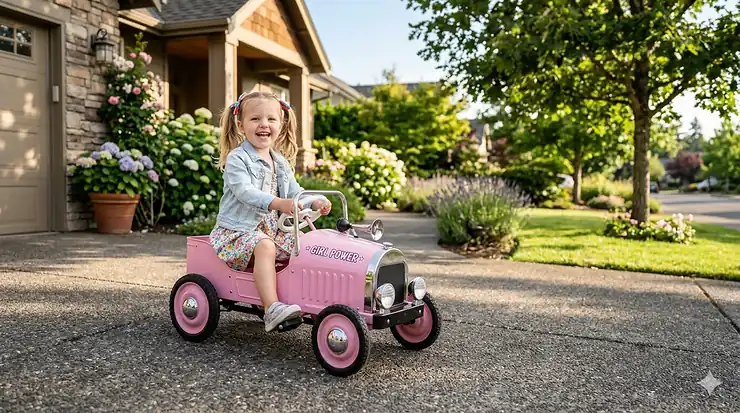
Picture this: your little princess zooming down the driveway in her very own pink convertible, giggles echoing through the neighborhood as she masters her newest skill. That’s the magic of finding the right ride on toys for 3 year old girl adventures! At three years old, girls are hitting that sweet spot where independence meets imagination, and nothing fuels both quite like having wheels of their own.
But here’s the thing—walk into any toy store, and you’re bombarded with options. Electric cars that look like mini Teslas. Classic foot-powered coupes in every shade of pink imaginable. Balance bikes promising to fast-track your kiddo to two-wheelers. Wiggle cars that defy physics (seriously, how do those things work without pedals?). The sheer volume can make your head spin faster than your daughter on a merry-go-round.
I’ve spent countless hours researching, comparing specs, reading hundreds of parent reviews, and yes, even test-driving a few models myself (don’t judge—they’re surprisingly fun). What I discovered is that the best ride on toys for 3 year old girl options do way more than just entertain. They’re secretly building coordination, strength, confidence, and spatial awareness while your little one thinks she’s just playing princess delivery driver.
Whether you’re hunting for pink ride on toys for 3 year old celebrations or trying to decide between princess vehicles and more practical options, you’re in the right spot. I’ve narrowed down seven standout choices that hit the trifecta: safe, developmentally awesome, and guaranteed to light up those little eyes. Let’s roll!
Quick Comparison Table
| Product | Type | Age Range | Price Range | Weight Limit | Power Source | Best For |
|---|---|---|---|---|---|---|
| Little Tikes Princess Cozy Coupe | Push Car | 18m – 5yr | $95-$105 | 50 lbs | Foot-Powered | Classic princess look, indoor/outdoor |
| Radio Flyer Shimmer Unicorn | Plush Ride-On | 1 – 3yr | $45-$55 | 42 lbs | Foot-Powered (3 AAA) | Magic lovers, smooth floors |
| Mercedes G-Wagon Push Car | 3-in-1 Push Car | 1 – 3yr | $55-$75 | 40 lbs | Foot-Powered | Luxury styling, multi-function |
| Lil’ Rider Wiggle Car (Pink) | Wiggle Car | 3+ yr | $35-$50 | 110 lbs | Foot-Powered | Active play, no batteries |
| Power Wheels Barbie Jeep | Electric Vehicle | 2 – 5yr | $180-$220 | 130 lbs | 6V Battery | Authentic driving, outdoor adventures |
| Kid Trax Glow Motorcycle | Electric Motorcycle | 3+ yr | $80-$110 | 65 lbs | 6V Battery | LED lights, realistic sounds |
| Strider 14x Balance Bike | Balance Bike | 3 – 6yr | $180-$220 | 80 lbs | Foot-Powered | Transitioning to pedal bikes |
💬 Just one click – help others make better buying decisions too!😊
Top 7 Ride On Toys for 3 Year Old Girl: Expert Analysis
1. Little Tikes Princess Cozy Coupe – The Timeless Classic
If there’s one ride on toy that’s earned its spot in the hall of fame, it’s this pink beauty. The Little Tikes Princess Cozy Coupe has been making little girls beam for over 30 years, and honestly? It’s better now than ever.
This isn’t just another girl car age 3 option—it’s a developmental powerhouse disguised as a princess chariot. The removable floorboard means it grows with your kiddo: start with parent-push mode for younger toddlers, then graduate to foot-to-floor freedom when she’s ready to take the wheel solo. That working horn? Gets pressed approximately 847 times per day (you’re welcome, neighbors). The clicking ignition switch and opening gas cap add layers to imaginative play that keeps things fresh week after week.
Key specs you need: Weight capacity hits 50 pounds, dimensions clock in at 29.5″L x 16.5″W x 33.5″H, and assembly is refreshingly straightforward—most parents knock it out in under 30 minutes. The high backrest and sturdy construction mean you’re not stressing about tip-overs, and those front wheels? They spin 360 degrees, making tight corners a breeze even for new drivers.
Parents rave about the durability. One Amazon reviewer mentioned they’ve bought three of these over the years because their daughters rode them until age 5 or 6, then handed them down to younger siblings still in mint condition. That’s serious staying power.
✅ Pros:
- Iconic design girls instantly recognize and love
- Dual-function floorboard system extends usability
- Built like a tank—survives years of backyard adventures
❌ Cons:
- Can feel bulky for indoor storage in smaller homes
- No electronic features (which is actually a pro for battery-hating parents)
Price: Around $99-$105 on Amazon | Perfect for traditionalists who want proven quality

2. Radio Flyer Shimmer The Magic Unicorn – Where Whimsy Meets Wheels
Want to see a 3-year-old’s face literally light up? Hand them the Radio Flyer Shimmer The Magic Unicorn. This isn’t your average ride-on—it’s an interactive best friend that happens to have wheels.
Here’s what makes Shimmer special: pet her soft plush nose or gently squeeze her ear, and she springs to life with eight different songs and sounds. But the real showstopper? That horn lights up while your daughter rides, creating this magical effect that never gets old. I’ve watched videos of kids just scooting in circles in darkened rooms, mesmerized by the glow.
The EZ-Glide 360-degree caster wheels are genius engineering for toddler toys. They move smoothly in any direction, meaning your little one can navigate tight corners, reverse, spin—basically pull off maneuvers that would make a stunt driver jealous. Works beautifully on hardwood, tile, even low-pile carpet. The easy-grip handles give new riders confidence, and at 42-pound capacity, it’ll carry most 3-year-olds comfortably.
Radio Flyer included thoughtful touches like on/off switch and two volume settings (because 8am unicorn songs hit different than 3pm unicorn songs). Requires three AAA batteries, which are included—bonus points for ready-to-ride convenience.
✅ Pros:
- Interactive features that genuinely engage kids for months
- Soft, huggable design perfect for sensory play
- Smooth indoor performance parents actually appreciate
❌ Cons:
- Lower weight limit means shorter lifespan than some alternatives
- Wheels can struggle on grass or rough outdoor surfaces
Price: $49.97-$49.99 | Ideal for indoor play and unicorn enthusiasts
3. Best Ride On Cars Mercedes G-Wagon Push Car (Pink) – Luxury Meets Practicality
If you’ve ever thought “my toddler deserves to cruise in style,” the Best Ride On Cars Mercedes G-Wagon Push Car delivers. This officially licensed replica captures the iconic G-Wagon aesthetic in the most adorable pink package imaginable.
What sets this apart in the crowded push car market is the 3-in-1 versatility. It starts as a parent-controlled stroller with a detachable handle for neighborhood walks, transitions to a walker when your daughter’s finding her footing, then becomes a full ride-on car for independent cruising. That’s three toys in one investment, which justifies the slightly higher price point.
The attention to detail impresses: working LED lights (because every luxury vehicle needs headlights), a horn with realistic sounds, music playback from the steering wheel, and tufted faux-leather seat that actually looks premium. There’s hidden storage under the seat—perfect for snacks, toys, or whatever treasure your 3-year-old deems essential for today’s adventure. The high backrest and safety guardrails offer peace of mind, while the footrest gives little legs a break.
Parents on Amazon consistently mention the quality construction. At 8 pounds, it’s light enough to move around but sturdy enough to handle enthusiastic driving. The realistic steering wheel becomes command central for imaginative play scenarios that range from grocery shopping trips to emergency princess rescues.
✅ Pros:
- Three modes extend usability from 12 months through 3 years
- Premium features usually found on pricier models
- Lightweight but durable plastic construction
❌ Cons:
- Lower weight capacity (40 lbs) than some competitors
- Assembly required for multiple components
Price: $55-$75 | Best choice for style-conscious parents wanting multi-stage functionality
4. Lil’ Rider Wiggle Car (Pink) – The Physics-Defying Wonder
Ever watched a kid make a wiggle car zoom across pavement and thought “wait… how?” The Lil’ Rider Wiggle Car in hot pink is basically magic on wheels, and 3-year-olds absolutely love it.
Here’s the deal: no batteries. No pedals. No gears. Just pure kid-powered physics using a twist-and-wiggle steering motion that propels the car forward. It sounds absurd until you see it in action—then it makes perfect sense. Your daughter sits, grips the steering wheel, and wiggles it side to side. Within seconds, she’s zooming. The learning curve is maybe five minutes, tops.
This design is brilliance for motor skill development. It engages core muscles, improves balance, teaches coordination, and builds upper body strength all while your kid thinks she’s just figured out the coolest trick ever. The low base with double triangle structure keeps things stable even during enthusiastic wiggling. At 110-pound weight capacity, this’ll last through elementary school (and yes, older siblings absolutely steal these).
Works indoors on linoleum, tile, or concrete, and outdoors on smooth pavement or asphalt. Skip wood floors unless you want scratches. The dimensions (30″L x 13.5″W x 16″H) make it compact enough for apartment living, and at around 10 pounds, it’s easy to move between play areas.
✅ Pros:
- Zero battery headaches—eco-friendly and wallet-friendly
- Exceptional exercise disguised as play
- Incredibly high weight capacity extends usability for years
❌ Cons:
- Not suitable for wood floors or rough terrain
- Requires smooth, hard surfaces for optimal performance
Price: $35-$50 | Perfect for active kids and battery-avoiding parents
5. Power Wheels Barbie Jeep Wrangler – The Real Deal Driving Experience
Ready to graduate to the big leagues? The Power Wheels Barbie Jeep Wrangler delivers an authentic driving experience that makes other ride-ons feel like warm-ups. This is where girls start learning actual vehicle operation.
Powered by a 6V rechargeable battery, this beauty cruises at a parent-friendly 2.5 mph in both forward and reverse. That’s fast enough for excitement but slow enough that you can keep pace walking beside her. The multi-terrain traction system handles grass, dirt, gravel, and pavement with equal confidence—this is built for actual backyard exploration, not just driveway circles.
The Barbie branding hits differently than generic pink cars. We’re talking authentic Jeep Wrangler styling with Barbie’s signature colors and graphics, working headlights, realistic driving sound effects, and a secret storage compartment (because every adventure needs a place for snacks and stuffed animals). The foot pedal acceleration mimics real car operation, teaching cause-and-effect in a tangible way.
Fisher-Price built this for durability. The frame handles up to 130 pounds, and multiple reviews mention these surviving years of daily use and multiple kids. Parents appreciate the sturdy roll bar design and the included battery charger that brings the fun back after 4-6 hours of charging.
✅ Pros:
- Authentic Jeep design with real driving functionality
- Multi-terrain capability for genuine outdoor adventures
- Long-lasting battery and exceptional build quality
❌ Cons:
- Higher price point requires bigger initial investment
- Requires outdoor space for full enjoyment
Price: $180-$220 | Ideal for outdoor-focused families wanting long-term value
6. Kid Trax 6V Glow Electric Motorcycle (Pink) – Light-Up Thrills
If your 3-year-old gravitates toward motorcycles over cars, the Kid Trax 6V Glow Electric Motorcycle in pink delivers next-level cool factor. This isn’t a toy motorcycle—it’s a proper entry-level electric bike with features that’ll make older kids jealous.
The LED headlights and body lights create this awesome glow effect during rides, especially magical during evening playtime. The realistic engine sounds and horn add layers of immersive play that spark imagination. What really sells it? The controlled 2.2 mph top speed means thrilling-feeling rides that keep parents calm. The three-wheel design with wide-set rear wheels delivers stability that traditional two-wheelers can’t match at this age.
Kid Trax designed this for the 3+ crowd specifically. The low seat height makes mounting easy, and the simple foot pedal acceleration is intuitive for new riders. At 65-pound capacity, it fits comfortably through ages 3-5. The durable plastic construction handles inevitable bumps and scrapes without showing wear, and the 6V battery provides solid runtime on a single charge.
Parents consistently mention how confidence-building this motorcycle is. Girls who were hesitant about ride-ons suddenly feel like total badasses cruising around on their “big kid bike.” The assembly is straightforward—most parents finish in 20-30 minutes—and maintenance is minimal beyond keeping the battery charged.
✅ Pros:
- LED lighting system kids genuinely adore
- Perfect introduction to motorcycle-style riding
- Confidence-building stability for new riders
❌ Cons:
- Limited to smooth, flat surfaces for safety
- Shorter battery life than some 12V alternatives
Price: $80-$110 | Best for motorcycle lovers and LED enthusiasts
7. Strider 14x Balance Bike (Funky Fuschia) – The Pedal Bike Fast-Track
Want your daughter riding a pedal bike by age 4? The Strider 14x Balance Bike in funky fuschia is your secret weapon. This isn’t just another balance bike—it’s a complete riding system that literally converts from balance bike to pedal bike when she’s ready.
Balance bikes skip the training wheels entirely, teaching the most crucial skill first: balance. Your daughter pushes with her feet, glides, learns to steer and balance naturally. The Strider 14x takes it further with a steel frame that’s light enough (just over 12 pounds) for a 3-year-old to maneuver but sturdy enough to handle 80 pounds. The seat adjusts from 15-22 inches, fitting kiddos from age 3 through 6 as they grow.
The genius move? When your daughter masters balancing and is ready for pedals, you add the Easy-Ride Pedal Conversion Kit (sold separately) using just one bolt. Boom—instant pedal bike. That’s two bikes for less than the cost of buying them separately. The kid-sized grips, padded seat, and performance footrest all contribute to comfort during longer rides.
Parents report their kids transitioning to regular bikes without training wheels months (sometimes years) earlier than peers. The all-purpose tires grip pavement, grass, dirt—this handles neighborhood sidewalks and park trails equally well. One reviewer mentioned their daughter went from nervous beginner to confident rider in just two weeks.
✅ Pros:
- Converts to pedal bike for extended value
- Teaches proper bike skills faster than training wheels
- Adjustable for multiple years of growth
❌ Cons:
- Higher initial price point than basic balance bikes
- Pedal conversion kit costs extra
Price: $180-$220 | Perfect for families committed to bike riding futures
What Makes Ride On Toys Essential for 3-Year-Old Development
You might think ride on toys are just fun gadgets to keep kids entertained, but science tells a different story. According to the CDC, children under five should engage in a variety of physical activities daily, including interactive play that encourages movement. Ride-ons check every box on that developmental wishlist.
Building Blocks Nobody Sees
When your 3-year-old girl pushes herself around in a Cozy Coupe, she’s not just playing—she’s constructing neural pathways. These toys require children to use large muscle groups in their legs, arms, and core, helping to build strength in both the legs and core muscles. Every push, every steering correction, every moment of maintaining balance is laying groundwork for future physical competence.
The cognitive gains surprise most parents. As children navigate obstacles and judge distances while using these toys, they develop critical thinking and problem-solving skills. That seemingly simple task of steering around the dog bowl? Your daughter just calculated spatial relationships, predicted movement, and adjusted her trajectory mid-ride. Her brain’s working overtime while she giggles.
The Confidence Connection
Here’s something beautiful that happens around age three: children start building self-concept. As children master new skills like steering and balancing on ride-on toys, they foster a sense of independence and boost their self-esteem. Watch a child’s face the first time they successfully navigate a tight turn or reverse without help. That pride? That’s confidence being built, brick by brick.
The social component amplifies these benefits. Ride-on toys promote cooperative play, teaching children about sharing toys and turn-taking as they interact with peers. Your backyard becomes a mini society where negotiation happens naturally—who gets the pink car next, whether the driveway or sidewalk is today’s racecourse, how to avoid collisions during group play.
Physical Fitness Disguised as Fun
In an era when screen time competes for every minute of childhood, ride-ons offer something precious: exercise kids actually want. Regular physical activity helps boost cardiovascular health and stamina, promoting a strong and healthy heart. Your 3-year-old isn’t thinking about heart health—she’s thinking about how fast she can zoom—but her body’s reaping benefits that’ll serve her for life.
The motor skill development specifically matters at age three. This is the window when girls refine gross motor coordination that affects everything from sports participation to simply moving confidently through space. Balance bikes like the Strider 14x accelerate this timeline dramatically, often shaving years off the journey to independent pedal biking.
Choosing the Right Ride On Toy: What Actually Matters
Safety First Isn’t Just a Cliché
Let’s talk about the elephant in the driveway: safety features aren’t optional extras. At three years old, your daughter’s still developing spatial awareness and reaction times. Look for wide wheelbases that resist tipping—compare the Wiggle Car’s double triangle structure versus narrower designs. Smooth edges matter more than you’d think; those rounded corners on the Princess Cozy Coupe prevent countless bonked elbows.
Weight capacity deserves attention beyond the obvious. A toy rated for 50 pounds will theoretically hold your 35-pound 3-year-old, but it won’t feel as stable as one rated for 110 pounds. The higher capacity usually indicates sturdier construction overall. Check those front wheels, too—360-degree rotation is awesome for maneuverability but can sometimes be too free-spinning for beginners.
Battery-powered options need extra scrutiny. The Power Wheels Barbie Jeep’s 2.5 mph speed is carefully calculated—fast enough for thrills, slow enough you can keep up on foot. Anything faster at this age becomes genuinely dangerous. Verify the braking system is intuitive; 3-year-olds don’t have adult reaction times.
Growth Potential vs. Right-Now Fit
Here’s the tension every parent navigates: buying for today versus investing for tomorrow. The Mercedes G-Wagon’s 3-in-1 system brilliantly solves this by adapting as skills develop. But that flexibility comes with complexity—more parts to assemble, more modes to switch between.
Sometimes simpler wins. The Radio Flyer Shimmer unicorn does one thing exceptionally well within its 1-3 year range. Your daughter will outgrow it faster than the Strider 14x, but she’ll get complete developmental value during its shorter window. Neither approach is wrong; match it to your situation and storage capacity.
Adjustability extends usability dramatically. Seat height adjustment on balance bikes isn’t a luxury feature—it’s the difference between six months of use versus three years. The Strider 14x’s 15-22 inch seat range accommodates serious growth. Test the adjustment mechanism in the store; if it requires tools or frustration, you won’t adjust it as often as you should.
Indoor vs. Outdoor: Location Matters More Than You Think
Urban apartment dwellers, listen up: not all ride-ons suit indoor play equally. The Shimmer unicorn’s smooth wheels on hardwood? Chef’s kiss. The Wiggle Car on those same floors? You’re asking for scratches. Consider your primary play space when choosing.
Outdoor-focused options like the Barbie Jeep or Kid Trax motorcycle need room to roam. A small patio won’t cut it—these shine in driveways, sidewalks, parks. The multi-terrain capability justifies the higher price point only if you’ve got terrain to explore. Otherwise, you’re paying for features your daughter won’t experience.
Weather resistance varies wildly between models. Plastic ride-ons generally handle rain exposure fine (though electronics need protection). The Strider 14x with its steel frame needs more care—bring it inside after use to prevent rust. Think about your storage situation realistically. That Cozy Coupe fits in a garage corner but might dominate a small mudroom.
How to Choose Ride On Toys for 3 Year Old Girl Success
Step 1: Assess Your Child’s Current Skills and Interests
Start by honestly evaluating where your daughter is developmentally right now. Can she walk confidently? Does she have good balance? Is she already showing interest in bikes, cars, or specific characters? Your answers shape which category of ride-on makes sense.
Step 2: Consider Your Space Constraints
Measure your primary play area before falling in love with a product. Note storage options—where will this live when not in use? If indoor storage is tight, prioritize lightweight options that stack or stand vertically.
Step 3: Set a Realistic Budget Range
Ride-ons span $35 to $220+ for good reason—you’re paying for durability, features, and longevity. Decide your ceiling before shopping. Remember that mid-range often delivers the sweet spot between quality and value.
Step 4: Research Safety Features Thoroughly
Read reviews specifically mentioning safety. Look for phrases like “tip-resistant,” “stable base,” “smooth edges.” Check for safety certifications like ASTM or CPSC compliance. These aren’t just formalities—they indicate proper testing.
Step 5: Read Recent Parent Reviews
Amazon reviews from the past 6-12 months matter most. Products evolve, manufacturing changes. Look for patterns: if multiple recent reviews mention a specific issue (loose wheels, weak battery), believe them.
Step 6: Consider Maintenance Requirements
Battery-powered means eventual battery replacement. Plastic wheels might crack over time. Some toys require regular tightening. Match maintenance demands to your available time and patience.
Step 7: Plan for Growth
Think 6-12 months ahead. Will this toy still engage your daughter next summer? Does it grow with her physically? Developmental toys should challenge without overwhelming—pick the upper end of her current ability range.
Ride On Toys Safety: Rules Every Parent Should Know
Creating safe riding experiences starts before your daughter even climbs aboard. Designate specific riding zones away from stairs, pools, driveways that open onto streets, or uneven terrain. Mark boundaries visibly—kids this age respond well to clear visual cues like sidewalk chalk lines or rope boundaries.
Protective gear seems excessive for foot-powered toys until the first fall happens. Helmets aren’t just for balance bikes. Any wheeled toy moving faster than walking pace benefits from head protection. Look for properly-fitted toddler helmets with CPSC certification. Resist the urge to skip this step—establishing the helmet habit now makes bike riding transitions smoother later.
Supervision requirements vary by toy type and child. Battery-powered vehicles need active adult presence, no exceptions. Even “safe” speeds become problematic if your daughter steers toward obstacles you’d have prevented. Foot-powered toys in enclosed yards can sometimes shift to casual monitoring once competence builds, but that’s a judgment call based on your specific child and environment.
Weather conditions matter more than parents often realize. Wet surfaces transform even slow ride-ons into potential hazards. Rain-slicked pavement, dewy grass, or puddles make traction unpredictable. Save riding sessions for dry conditions, and inspect toys after outdoor use for water intrusion in electronic components.
Regular maintenance prevents accidents. Weekly checks should include: wheel attachment tightness, looking for cracks in plastic parts, testing battery charge levels, verifying steering components move smoothly, and checking weight limits still apply as your daughter grows. These five-minute inspections catch problems before they cause injuries.
When to Upgrade: Signs Your Daughter’s Outgrown Her Current Toy
Physical outgrowing happens obviously—knees hitting handlebars, feet dragging constantly, hunched posture from cramped dimensions. These clear signals demand immediate upgrades for safety and continued developmental benefit. But skill-based outgrowing is subtler and often more important.
Watch for boredom with the challenge level. If your daughter masters every aspect of her current ride-on and shows zero interest despite previous enthusiasm, she’s ready for more complexity. The Wiggle Car enthusiast might be primed for a balance bike. The Cozy Coupe veteran could transition to battery power.
Social dynamics shift upgrade timelines too. If neighborhood friends have advanced to faster, more sophisticated ride-ons and your daughter shows interest in joining that play, consider it a developmental readiness signal. Peer motivation accelerates skill building dramatically at this age.
Durability failures differ from outgrowing. A broken wheel or dead battery doesn’t necessarily mean upgrade time if your daughter still loves the toy and fits it physically. Repair parts exist for popular models, and sometimes replacement makes more sense than premature upgrading.
The sweet spot for introducing the next level is when current mastery meets emerging interest. Your daughter confidently operates her push car but watches older kids on balance bikes with fascination? Perfect timing for the Strider 14x introduction. She’s conquered the wiggle car but asks about motorcycles? The Kid Trax motorcycle becomes the logical progression.
Maximizing the Value of Your Ride On Toy Investment
Storage significantly impacts longevity. Outdoor exposure ages plastic prematurely—UV rays fade colors, temperature fluctuations crack components, moisture breeds mold in cushioned seats. Garage or shed storage extends life years beyond permanent outdoor placement. If outdoor storage is unavoidable, invest in weather-resistant covers designed for ride-on toys.
Cleaning routines maintain both hygiene and function. Weekly wipe-downs with mild soap remove dirt before it becomes embedded. Monthly deep cleans should include wheel inspection and lubrication of moving parts. Battery terminals on electric models benefit from occasional cleaning to prevent corrosion that shortens battery life.
Create activity variety to prevent boredom-driven abandonment. Set up obstacle courses using household items, organize neighborhood “races” with friends, incorporate ride-ons into imaginative play scenarios, establish destination-based challenges (“drive to the big tree and back”), or rotate between multiple toys if you have the luxury.
Maintenance schedules prevent expensive breakdowns. Battery-powered ride-ons need specific care: charge fully before first use, never over-discharge completely, store with partial charge during off-season, replace batteries showing diminished runtime. These simple practices quadruple battery longevity.
The real value maximization happens through skill progression. Use the current toy to build competence, then introduce the next challenge. Each ride-on type teaches specific skills that transfer forward—the girl who masters wiggle car coordination transitions to balance bikes more naturally than those who skip straight from push cars.
Real Parent Reviews: What Actually Happens After Purchase
Let’s talk about the first week reality check. That pristine princess coupe will accumulate mysterious sticky spots within days. The battery-powered jeep will need charging at the exact moment your daughter desperately wants to drive. The balance bike will initially frustrate her before the “aha” moment hits. These aren’t product failures—they’re normal childhood interactions with new toys.
The three-month mark reveals true winners. Some ride-ons become daily essentials while others gather dust. Amazon reviewer patterns show the Wiggle Car often surpasses expectations for longevity—kids who you’d think would outgrow it keep returning. The Shimmer unicorn creates intense attachment periods where your daughter refuses to walk anywhere she could ride instead.
Common complaint patterns across all ride-on categories include: assembly frustrations (those instructions never seem quite clear enough), missing or incorrect parts requiring customer service contact, and performance differences between smooth floors versus recommended surfaces. Read recent reviews specifically about these pain points before purchasing.
Success stories cluster around specific patterns. Parents who introduce balance bikes like the Strider 14x often report their kids riding pedal bikes 12-18 months earlier than peers with training wheels. Wiggle car owners frequently mention unexpected benefits—older siblings using them, adults finding them surprisingly fun, multi-year usage exceeding initial expectations.
The battery-powered category generates the most polarized feedback. Some families swear by the authentic driving experience and outdoor adventure potential. Others feel frustrated by short battery life, slow charging times, and maintenance requirements. Your tolerance for these factors determines which camp you’ll join.
Frequently Asked Questions About 3 Year Old Girl Ride On Toys
❓ What ride on toys are best for 3 year old girl who's never had one before?
❓ Are battery powered ride ons safe for 3 year olds?
❓ How long do pink ride on toys for 3 year old typically last?
❓ Can ride on toys help prepare my daughter for a real bike?
❓ What's the difference between girl cars age 3 and boy versions?
Conclusion: Finding Your Perfect Princess Vehicle Match
After diving deep into the world of ride on toys for 3 year old girl adventures, here’s what really matters: there’s no single “best” option. The Little Tikes Princess Cozy Coupe delivers unbeatable classic appeal and legendary durability. The Radio Flyer Shimmer Unicorn creates magical moments for indoor play lovers. The Mercedes G-Wagon Push Car satisfies luxury-minded parents wanting 3-in-1 value.
For active families, the Lil’ Rider Wiggle Car offers years of battery-free fun. Those ready for authentic driving experiences should consider the Power Wheels Barbie Jeep. The Kid Trax Glow Motorcycle thrills girls drawn to motorcycles over cars. And the Strider 14x Balance Bike stands alone for families prioritizing bike skill development.
Your daughter’s specific interests, your available space, and your budget determine which option becomes her new favorite. Remember that the best ride on toys for 3 year old girl development are the ones she’ll actually use. An expensive electric car gathering dust helps nobody, while a mid-priced wiggle car logging daily miles delivers exceptional value.
The magic happens when the right toy meets an enthusiastic rider. Watch for that spark—the moment she climbs aboard and you see her confidence bloom. That’s when you know you’ve found your match. These developmental years fly past faster than she’ll zoom down your driveway. Choose wisely, supervise carefully, and enjoy watching your little princess discover the freedom of her own wheels!
✨ Don’t Miss These Exclusive Deals!
🔍 Take your daughter’s playtime to the next level with these carefully selected ride on toys! Click on any highlighted item above to check current pricing and availability on Amazon. These toys will help your little one build confidence, coordination, and create memories your family will treasure for years!
Recommended for You
- 7 Best Ride On Toys for 3 Year Old Boy – 2026
- 7 Best Electric Ride On Toys for 3 Year Old 2026
- Best Ride On Toys for 3 Year Olds: 7 Top Picks (2026)
Disclaimer: This article contains affiliate links. If you purchase products through these links, we may earn a small commission at no additional cost to you.
✨ Found this helpful? Share it with your friends! 💬🤗
