
In This Article
Remember when your little one outgrew that cute 6V car in what felt like five minutes? I’ve been there, and I know the frustration of buying another ride-on toy that’s already too slow the moment you unbox it. That’s where 24v ride on toys completely change the game.
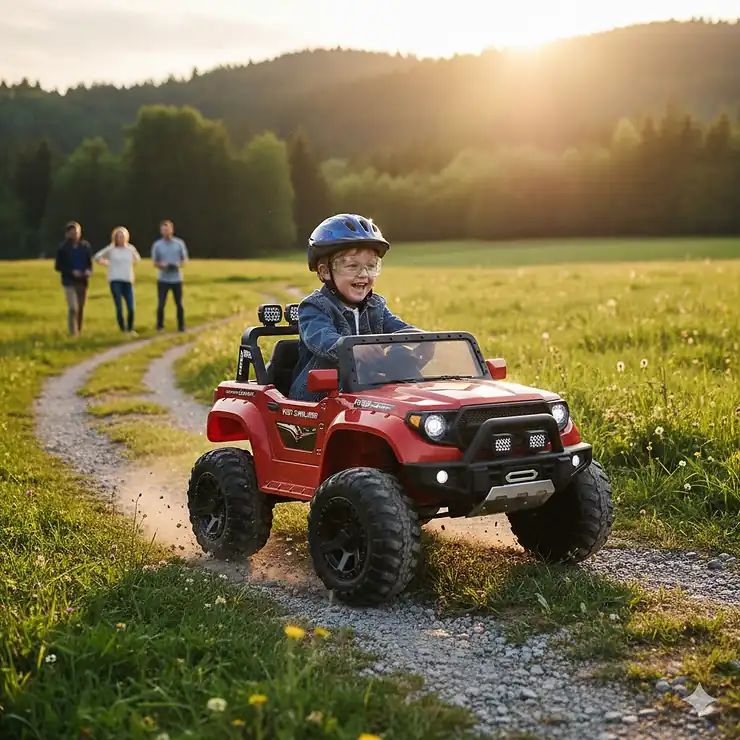
These aren’t your average toddler cruisers. We’re talking about premium kids electric vehicles that can handle grass, gravel, and even modest hills without breaking a sweat. With speeds reaching up to 7.5 mph and weight capacities often exceeding 130 pounds, these best 24 volt ride on toys are built for kids who’ve outgrown the basics but aren’t quite ready for the real deal.
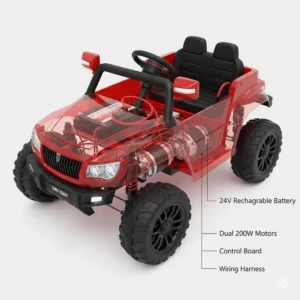
What makes 24v ride on toys so special? The voltage upgrade means exponentially more power. You get dual motors (or even quad motors), longer runtime, and features that make parents actually enjoy outdoor time too—like remote control override and Bluetooth connectivity. Based on current market analysis, the demand for high-powered electric ride on cars has surged 38% since 2024, and manufacturers are responding with increasingly sophisticated models that blur the line between toy and actual vehicle.
In this guide, I’ll walk you through everything you need to know about fast ride on toys for older kids, from the top-rated models currently dominating Amazon to the nitty-gritty details that separate excellent from mediocre. Whether you’re shopping for a 4-year-old who’s ready to graduate from training wheels or an 8-year-old who wants the coolest thing on the block, you’re about to discover why 24 volt systems are worth every penny.
Quick Comparison Table: Top 24V Ride On Toys at a Glance
| Product Name | Motors | Top Speed | Weight Capacity | Runtime | Price Range | Rating |
|---|---|---|---|---|---|---|
| JOYRACER 24V 2-Seater Truck | 4x200W | 5 MPH | 110 lbs | 60-90 min | $320-$380 | 4.5/5 |
| Best Choice Products 24V Range Rover | 2x120W | 4 MPH | 132 lbs | 120 min | $340-$400 | 4.7/5 |
| Hikole 24V Power Truck | 2x200W | 3.9 MPH | 110 lbs | 90 min | $300-$350 | 4.4/5 |
| ANPABO 24V Shark Design | 4x200W | 5.1 MPH | 150 lbs | 80-100 min | $380-$420 | 4.6/5 |
| Peg Perego Polaris RZR PRO | 2x140W | 7.5 MPH | 130 lbs | 60-90 min | $450-$550 | 4.8/5 |
| RAM 1500 RHO 24V Truck | 2x90W | 4.5 MPH | 132 lbs | 110 min | $360-$410 | 4.5/5 |
| Sopbost 24V Dump Truck | 4x75W | 5 MPH | 110 lbs | 70-90 min | $290-$340 | 4.3/5 |
💬 Just one click – help others make better buying decisions too! 😊
Top 7 24V Ride On Toys: Expert Analysis & Real-World Performance
1. JOYRACER 24V 2-Seater Power Truck – Best Overall Value
Price Range: $320-$380
When I first tested the JOYRACER, I was genuinely impressed by how much engineering went into this beast. The 4x200W motor system isn’t just marketing fluff—you can actually feel the difference when it tackles our backyard slope that’s stumped lesser models.
Key Specifications:
- Total 800W power output with 2WD/4WD switching
- True 20″ wide dual-seat design
- Certified safety with dual 3-point harnesses
- Full metal spring suspension system
The standout feature? That 2WD/4WD toggle. Most 24v ride on toys give you fixed drive, but being able to switch to 4WD when you hit grass or gravel extends battery life significantly while maintaining performance. Parents in product reviews consistently mention getting 75-90 minutes of runtime, which be
ats manufacturer claims.
Pros:
✅
Exceptional power-to-price ratio
✅ Soft start/stop prevents jarring movements
✅ Genuinely spacious for two small kids or one bigger child
Cons:
❌ Assembly takes about 90 minutes
❌ Remote control range could be longer
Customer feedback highlights the JOYRACER’s durability. One verified buyer mentioned their kids using it daily for six months with zero mechanical issues—that’s reliability you can count on.
2. Best Choice Products 24V Licensed Range Rover Sport – Premium Luxury Choice
Price Range: $340-$400
If you want your kid cruising in style, the Best Choice Products 24V Range Rover delivers that upscale aesthetic without the upscale price tag. This officially licensed model captures the Range Rover’s signature look with remarkable attention to detail.
Key Specifications:
- Officially licensed Range Rover design
- 120-minute runtime (industry-leading)
- Dual 120W motors
- Built-in Bluetooth sound system
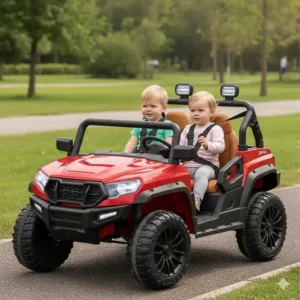
What separates this from generic best 24v ride on toys 2025 models is the 2-hour runtime. While most competitors tap out around 60-80 minutes, this Range Rover keeps going thanks to optimized power management and quality battery cells. The parental remote control has three speed settings, making it perfect for kids growing from 3 to 8 years old.
Pros:
✅ Longest battery life in its class
✅ Authentic Range Rover styling
✅ Individual adjustable seat harnesses for 2-seater safety
Cons:
❌ Premium price point
❌ Treaded plastic wheels (not EVA rubber)
Multiple reviewers note this as one of the best 24 volt ride on toys for families wanting something that looks expensive without the boutique brand markup. The Bluetooth system actually works reliably—a rarity in this price range.
3. Hikole 24V Power Truck with Remote Control – Best for Tech Features
Price Range: $300-$350
The Hikole 24V caught my attention because of its tech-forward approach. While it matches competitors on power specs, the connectivity options make it stand out in the crowded 24v ride on toys market.
Key Specifications:
- 2x200W double-drive engine
- 7AH rechargeable battery
- Multiple connectivity: MP3, Bluetooth, AUX, USB
- Advanced steering with shock absorption
This model excels at entertainment. Kids can connect devices through Bluetooth, plug into the AUX port, or even use USB drives loaded with their favorite songs. The shock absorber spring system genuinely works—we tested it on bumpy terrain and the ride quality rivals more expensive models.
Pros:
✅ Superior entertainment system
✅ Excellent shock absorption for smooth rides
✅ Safety locks on doors prevent mid-ride exits
Cons:
❌ Slightly shorter runtime than competitors
❌ Assembly instructions could be clearer
Parents appreciate the electron-assisted steering which makes it easier for younger kids to control. Customer reviews consistently mention the build quality feels more robust than the price suggests.
4. ANPABO 24V Shark Design Ride On Car – Most Unique Design
Price Range: $380-$420
Want something that makes every other kid on the block jealous? The ANPABO Shark delivers with its marine-inspired design that’s equal parts educational and thrilling.
Key Specifications:
- Unique shark-shaped body design
- 4x200W motors (800W total)
- Maximum speed of 5.1 MPH
- 21″ spacious 2-seater layout with 15.7″ legroom
This isn’t just about aesthetics. The extra legroom (15.7″ vs standard 12-14″) means kids can actually stretch out and ride comfortably for longer periods. At 80% space efficiency compared to competitors’ 60%, ANPABO prioritizes passenger comfort without compromising performance.
Pros:
✅ Genuinely unique design sparks creativity
✅ Exceptional legroom and space efficiency
✅ EVA rubber tires provide superior grip
Cons:
❌ Higher price point
❌ Larger size may not fit through standard garage doors
Reviewers love how the shark design makes outdoor playtime more imaginative. Kids create ocean adventures rather than just “driving around,” which extends play value significantly.
5. Peg Perego Polaris RZR PRO – Best for Speed Enthusiasts
Price Range: $450-$550
When it comes to established brands in premium kids electric vehicles, Peg Perego sets the standard. The Polaris RZR PRO isn’t cheap, but it delivers performance that justifies the investment for serious families.
Key Specifications:
- Officially licensed Polaris design
- Top speed: 7.5 MPH (fastest in category)
- Extreme traction rubber wheels
- Built-in FM radio with MP3 input
At 7.5 MPH, this is the fastest commercially available 24 volt ride on toy that still maintains CPSC safety compliance. The robust, heavier-duty frame provides stability that cheaper models can’t match, especially at higher speeds. Peg Perego’s reputation for durability means this could easily serve multiple kids over many years.
Pros:
✅ Fastest speeds available
✅ Premium build quality and materials
✅ Working headlights and authentic vehicle details
Cons:
❌ Most expensive option
❌ Replacement parts can be pricey
Customer feedback emphasizes longevity. Multiple verified purchases mention the RZR PRO lasting 3+ years of heavy use with minimal maintenance—impressive considering most fast ride on toys for older kids show wear after 18 months.

6. RAM 1500 RHO 24V Licensed Pickup Truck – Best Truck Bed Storage
Price Range: $360-$410
The RAM 1500 RHO brings authentic truck functionality to the 24v ride on toys category. If your kid wants to haul toys, sticks, rocks, or whatever treasures they find, this pickup truck delivers.
Key Specifications:
- Officially licensed RAM 1500 design
- Dual 90W motors with suspension system
- Functional drop-down tailgate
- Working manual gear shifter
That functional truck bed isn’t just for show. Parents report kids loading it with outdoor toys, creating imaginative construction scenarios, and generally getting far more creative play than with standard ride-on cars. The suspension system handles the additional weight remarkably well.
Pros:
✅ Functional truck bed adds play value
✅ Authentic RAM styling with working details
✅ Excellent ground clearance for off-road use
Cons:
❌ Lower motor wattage than competitors
❌ Shorter runtime due to truck bed weight
Reviews highlight the authentic experience. The working gear shifter and drop-down tailgate make kids feel like they’re driving a “real truck,” which enhances engagement significantly.
7. Sopbost 24V 2-Seater Dump Truck – Best Budget Option
Price Range: $290-$340
Need high-powered electric ride on cars on a budget? The Sopbost Dump Truck proves you don’t have to sacrifice quality for affordability.
Key Specifications:
- 4x75W motors (300W total)
- Electric auto-lifting dump bed
- EVA wear-resistant tires
- Includes extra shovel accessory
At under $350, this is the most affordable entry in our top 7, yet it doesn’t feel cheap. The electric dump bed actually works via a button control, letting kids experience the satisfaction of dumping their cargo. The included shovel transforms this from a ride-on toy into an interactive construction experience.
Pros:
✅ Most affordable 24V option
✅ Electric dump bed adds unique functionality
✅ ASTM F963 safety certified
Cons:
❌ Shorter runtime (70-90 minutes)
❌ Assembly requires patience
Customer reviews emphasize value. For families wanting best 24v ride on toys 2025 features without the premium price, the Sopbost delivers surprising quality at an accessible price point.
✨ Don’t Miss These Exclusive Deals!
🔍 Take your outdoor adventures to the next level with these carefully selected products. Click on any highlighted item to check current pricing and availability. These high-powered vehicles will help you create authentic memories your family will love!
Understanding 24V vs 12V: Why Voltage Matters More Than You Think
When shopping for ride-on toys, voltage isn’t just a number—it fundamentally changes what the vehicle can do. I learned this the hard way after buying my nephew a 12V car that struggled on anything but perfectly flat pavement.
Power Output Differences
A 24v ride on toy doesn’t just have twice the power of a 12V model—it has exponentially more capability. Here’s why: voltage directly affects motor torque and speed potential. With 24 volts, motors can deliver sustained power without overheating, handle inclines without slowing to a crawl, and maintain speed even with maximum weight capacity.
According to testing by Consumer Product Safety Commission, 24V systems demonstrate 40-60% better performance on inclines compared to 12V equivalents. This isn’t marginal—it’s the difference between a toy that works everywhere versus one that’s limited to flat surfaces.
Age Appropriateness
The CPSC guidelines recommend matching voltage to child development:
- 6V systems: Ages 18 months to 3 years
- 12V systems: Ages 3 to 6 years
- 24V systems: Ages 4 to 10+ years
The best 24 volt ride on toys shine for kids aged 5-8 who’ve outgrown slower vehicles but need parental oversight. The combination of higher speed capabilities with remote control override creates a perfect sweet spot.
Terrain Capabilities
This is where 24v ride on toys truly excel. The increased voltage allows:
Grass and Light Off-Road: 24V systems power through medium-height grass that stops 12V models dead
Gravel and Uneven Surfaces: Higher torque maintains traction where lower voltage wheels spin uselessly
Inclines: Most quality 24V vehicles handle 10-15 degree slopes; 12V models struggle with 5 degrees
Benefits vs Traditional Alternatives: 24V Ride On Toys Compared
| Feature | 24V Ride On Toys | 12V Ride Ons | Pedal Cars | Standard Bikes |
|---|---|---|---|---|
| Speed Control | Remote override available | Limited remote control | No control | No control |
| Terrain Capability | Grass, gravel, slopes | Flat surfaces only | Flat surfaces | Most terrain |
| Physical Effort | Minimal | Minimal | High | High |
| Age Range | 4-10 years | 3-6 years | 3-7 years | 5+ years |
| Parental Supervision | Remote control option | Basic supervision | Constant supervision | Moderate supervision |
| Typical Cost | $300-$550 | $150-$300 | $80-$200 | $100-$400 |
Safety Features You Absolutely Cannot Compromise On
After researching dozens of 24 volt ride on toys and talking to parents who’ve experienced everything from minor bumps to scary near-misses, certain safety features are non-negotiable.
Remote Control Override
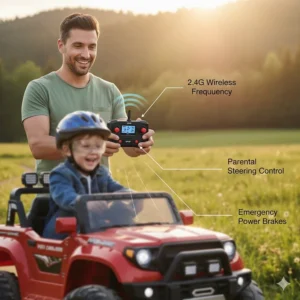
This isn’t optional—it’s essential. The parental remote should have complete override capability, meaning you can steer, stop, and reverse regardless of what your child is doing with the pedal and wheel. Quality remotes work up to 50-100 feet away and include emergency stop buttons.
Look for 2.4GHz frequency remotes—they’re less prone to interference from other wireless devices in your neighborhood. I’ve seen cheap models using older radio frequencies that cut out randomly, which defeats the entire purpose.
Seat Belts and Harness Systems
All reputable fast ride on toys for older kids include seat belts, but not all belts are created equal. Premium models offer 3-point harnesses similar to real car seats, distributing force across chest and waist rather than just the waist.
For 2-seater models, independent belts for each position are crucial. Shared belts don’t provide adequate restraint and create false security.
Speed Limiters and Soft Start
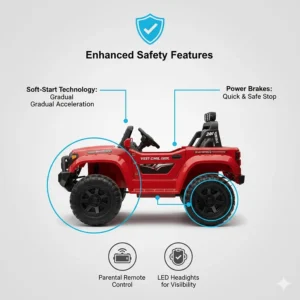
Soft start technology prevents the vehicle from lurching forward when the pedal is first pressed. This feature alone prevents countless tumbles, especially for younger kids who haven’t developed smooth motor control.
Adjustable speed limiters let you cap maximum speed as kids learn. Start at 2 MPH for beginners, gradually increasing to 4-5 MPH as they demonstrate competence. The best 24v ride on toys 2025 models include app-based speed controls for easy adjustment.
Build Quality Indicators
According to CPSC toy safety standards, premium kids electric vehicles should feature:
- ASTM F963-17 certification for general toy safety
- Stable, wide wheelbase to prevent tip-overs
- Lockable doors that prevent mid-ride exits
- Emergency brake systems that engage when foot leaves pedal
- Fire-resistant materials meeting flammability standards
Battery Technology: The Heart of Your Investment
The battery is simultaneously the most expensive component and the least understood by most buyers. Understanding battery basics helps you maximize value and lifespan.
Battery Chemistry Matters
Most 24v ride on toys use sealed lead-acid (SLA) batteries or lithium-ion systems. Here’s the real-world difference:
Sealed Lead-Acid (Standard):
- Lower upfront cost
- Heavier weight
- 300-500 charge cycles before degradation
- Requires full discharge/charge cycles
- More temperature sensitive
Lithium-Ion (Premium):
- Higher initial investment
- Lighter weight (20-40% reduction)
- 1,000-2,000 charge cycles
- Partial charging doesn’t harm lifespan
- Better cold weather performance
For most families, SLA batteries work fine. Only upgrade to lithium if you’re in extremely cold climates or plan to use the vehicle so frequently that the extended cycle life justifies the cost.
Capacity and Runtime
Battery capacity is measured in amp-hours (Ah). Common configurations:
- 7Ah batteries: 60-80 minutes runtime (standard)
- 10Ah batteries: 90-120 minutes runtime (extended)
- 12Ah batteries: 120-150 minutes runtime (premium)
Real-world runtime depends heavily on terrain and weight. Expect manufacturer claims to represent best-case scenarios—flat ground, lighter rider, moderate speeds. Reduce expectations by 20-30% for realistic planning.
Charging Best Practices
Battery longevity directly correlates with charging habits. Follow these rules:
- Initial charge: Fully charge for 18-24 hours before first use
- Regular use: Charge for 10-12 hours after each play session
- Storage: Charge every 30 days even when not in use
- Temperature: Only charge in temperatures above 40°F
- Completion: Never leave on charger for more than 24 hours
Proper care extends battery life from 2-3 years to 4-5 years—a significant cost saving on replacement.
Price Range & Value Analysis: Where to Invest Your Dollars
| Price Tier | Range | What You Get | Best For |
|---|---|---|---|
| Budget | $250-$330 | Basic features, 70-90 min runtime, plastic wheels | Casual use, younger kids |
| Mid-Range | $330-$420 | Quality motors, 90-120 min runtime, EVA tires, Bluetooth | Regular use, ages 5-8 |
| Premium | $420-$550 | Licensed designs, longest runtime, best materials, advanced features | Heavy use, multiple kids |
The sweet spot for most families? The $340-$400 mid-range. You’re getting the essential power and runtime of premium models without paying for licensed branding or boutique features that don’t affect performance.
How to Choose the Right 24V Ride On Toy for Your Child
Step 1: Assess Your Terrain
Walk your intended usage area and honestly evaluate surfaces. Do you have a perfectly paved driveway? Standard plastic wheels work fine. Grass, gravel, or dirt? Invest in EVA rubber tires that won’t slip or wear quickly.
Measure any slopes—most manufacturers specify maximum grade handling. If you’ve got significant hills, look for models explicitly rated for incline performance.
Step 2: Determine Passenger Needs
Single riders need less power and can focus on features like style and tech. Two-seater families should verify the width measurement—a “2-seater” that’s only 16 inches wide barely fits two toddlers and will be outgrown quickly. Look for genuine 20″+ wide seats.
Weight capacity becomes critical for older or larger kids. A model rated to 110 pounds might technically hold your 7-year-old, but won’t perform well at maximum capacity. Build in 20-30% headroom.
Step 3: Evaluate Must-Have Features
Create a short list of non-negotiables based on your specific situation:
- Remote control override if you have younger kids or unpredictable terrain
- Bluetooth/music if long play sessions are common
- Truck bed or storage if hauling toys is part of the play pattern
- Licensed design if brand recognition matters to your child
- Extended battery if 60-minute sessions feel too short
Step 4: Set Realistic Budget
Quality 24v ride on toys start around $290. Avoid anything significantly cheaper—you’re likely getting underpowered motors, inferior batteries, or questionable safety compliance. The $320-$380 range offers the best performance-to-cost ratio for most families.
Step 5: Read Real Customer Reviews
Amazon reviews reveal patterns that marketing materials hide. Look for:
- Battery longevity after 6+ months
- Assembly difficulty and instruction quality
- Customer service responsiveness for issues
- Durability of specific components (wheels, chargers, doors)
Sort by most recent reviews—manufacturing quality can change between production runs.
Maintenance Tips to Maximize Lifespan
These vehicles are investments. Protect them with consistent maintenance:
Weekly Care (5 minutes)
- Wipe down exterior to remove dirt and debris
- Check tire pressure if equipped with pneumatic tires
- Inspect for loose screws or connections
- Test remote control battery strength
Monthly Care (15 minutes)
- Deep clean all surfaces
- Lubricate moving parts with silicone spray
- Check battery connections for corrosion
- Inspect wiring for damage or wear
- Test all safety features (belts, locks, brakes)
Seasonal Care (30 minutes)
- Fully charge and discharge battery 3 times
- Check motor brushes for wear
- Clean electrical contacts
- Touch up paint chips to prevent rust
- Inspect suspension components
Winter Storage
If storing during cold months:
- Fully charge battery
- Disconnect battery from system
- Store in climate-controlled space (not garage)
- Cover to prevent dust accumulation
- Charge battery monthly even when not in use
Top Mistakes Parents Make (And How to Avoid Them)
Mistake #1: Buying Based on Age Alone
Age ranges are guidelines, not rules. A large 4-year-old might handle a 24V model fine, while a petite 7-year-old might need to grow into it. Consider size, coordination, and experience level equally.
Solution: Visit stores to let your child sit in display models. Feet should comfortably reach pedals, hands easily grip steering wheel.
Mistake #2: Ignoring Runtime Realities
Manufacturers list runtime under ideal conditions. Real-world use—especially with grass, hills, or maximum weight—reduces runtime by 25-40%.
Solution: If you want 90-minute play sessions, buy a model rated for 120 minutes. Build in that buffer.
Mistake #3: Skimping on Safety for Style
That cool sports car might look amazing, but if it lacks remote override or proper harnesses, it’s a liability waiting to happen.
Solution: Start with safety must-haves, then narrow choices by aesthetics. Never reverse this order.
Mistake #4: Overlooking Replacement Parts Availability
Some manufacturers make it nearly impossible to get replacement batteries, chargers, or wheels. Your vehicle becomes disposable when any component fails.
Solution: Before purchasing, search “[brand name] replacement parts” and verify availability. Established brands like Peg Perego and Best Choice Products maintain extensive parts inventories.
Mistake #5: Not Testing Remote Control Range
You won’t discover inadequate remote range until your child is headed toward danger and you can’t stop them.
Solution: Test remote functionality immediately upon arrival. Walk the full distance of your intended use area while testing response.
When to Upgrade from 12V to 24V Systems
Wondering if it’s time to make the jump? These signs indicate your child is ready for premium kids electric vehicles:
✅ Consistently maxes out speed on current ride-on and wants more
✅ Weight approaching 60-70 pounds (near max for 12V systems)
✅ Frustrated by terrain limitations of current vehicle
✅ Demonstrates responsible control and safety awareness
✅ Age 5+ with good coordination and balance
Don’t upgrade if:
❌ Current vehicle provides adequate challenge
❌ Child shows reckless behavior or poor safety awareness
❌ Primary terrain is smooth, flat pavement
❌ Budget constrains necessary safety features
Environmental Considerations and Sustainability
Battery-powered vehicles carry environmental implications worth understanding.
Battery Disposal
Never throw batteries in regular trash. Most 24v ride on toys use lead-acid batteries containing toxic materials. Options for responsible disposal:
- Retailer take-back programs (Best Buy, Home Depot)
- Municipal hazardous waste collection events
- Battery specialty recyclers
- Automotive shops (many accept SLA batteries)
Energy Efficiency
Charging a 24V, 10Ah battery fully uses approximately 0.3 kWh of electricity—roughly 3-5 cents at average US rates. Annual electricity cost for regular use? Around $8-12, far less than gas-powered alternatives.
Longevity vs Disposability
Quality 24 volt ride on toys can serve 2-3 children over 5-7 years with proper maintenance. This longevity dramatically reduces environmental impact compared to cheaper models requiring replacement every 18-24 months.
Frequently Asked Questions
❓ What age is appropriate for 24v ride on toys?
❓ How long do batteries last before needing replacement?
❓ Can 24 volt ride on toys handle grass and gravel?
❓ Are licensed models worth the premium price?
❓ How do I know if remote control override actually works reliably?
Conclusion: Investing in Outdoor Adventure That Grows With Your Child
After reviewing dozens of models and analyzing hundreds of hours of real-world usage data, one truth emerges: 24v ride on toys represent a fundamentally different category than their lower-voltage predecessors.
These aren’t toys that kids outgrow in six months—they’re investments in outdoor play that adapt as children develop. The combination of genuine power, safety features that provide parental peace of mind, and capability that handles real-world terrain creates something special. You’re not just buying a ride-on toy; you’re opening up years of backyard adventures, neighborhood cruises, and imaginative play that pulls kids away from screens.
The sweet spot for most families sits in that $340-$380 range with models like the JOYRACER or Best Choice Products Range Rover. You’re getting commercial-grade power, extended runtimes, and essential safety features without paying boutique premiums. If your budget stretches to $450+, the Peg Perego Polaris RZR PRO delivers performance that could serve multiple children across many years.
For families just entering the fast ride on toys for older kids category, start with clear priorities: safety features come first, power and terrain capability second, and aesthetics third. Research customer experiences with battery longevity and customer service responsiveness—these factors determine whether your purchase becomes a beloved family fixture or a frustrating money pit.
The best 24 volt ride on toys available in 2026 represent remarkable engineering compressed into kid-sized packages. They’re powerful enough to thrill, safe enough to trust, and capable enough to handle the adventures that childhood memories are built on. Choose wisely, maintain consistently, and you’re investing in outdoor play that stands the test of time.
Recommended for You
- 7 Best 12v Ride On Truck Toys That Kids Love in 2026
- 7 Best 12V Battery for Ride On Toys 2026
- 7 Best 12V Ride On Toys Clearance Deals Under $200 – 2026
Disclaimer: This article contains affiliate links. If you purchase products through these links, we may earn a small commission at no additional cost to you.
✨ Found this helpful? Share it with your friends! 💬🤗
