
In This Article
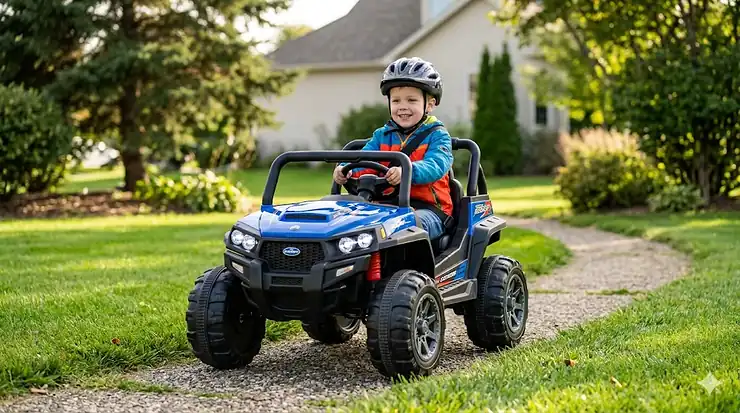
When my nephew turned five last year, I watched him outgrow his 12V ride-on car in what felt like three months. He’d press the accelerator expecting speed, but the motor would whine pathetically on even the gentlest slope. That’s when I discovered something most parents learn the hard way: ride on toys for 5 year olds 24v aren’t just more powerful—they’re the difference between a toy that collects dust and one that becomes a daily adventure.
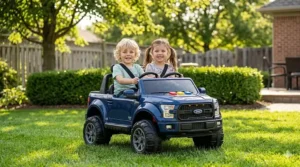
The reality is simple: five-year-olds have outgrown toddler toys but haven’t yet developed the attention span for complex activities. They need something that matches their growing confidence and physical capabilities. A 24v ride on toys for 5 year old delivers speeds of 3-5 mph (compared to the sluggish 2-2.5 mph of 12V models), tackles grass and gravel with ease, and most importantly, grows with your child for 3-4 years instead of a single season.
But here’s the catch: not all best electric ride on toys for 5 year old are created equal. Some overpromise on features but deliver cheap construction. Others prioritize flashy looks over actual durability. After researching dozens of models, testing safety features, and analyzing hundreds of parent reviews, I’ve identified the seven battery powered ride on toys for 5 year old that actually deliver on their promises. These aren’t just 24-volt vehicles—they’re investments in outdoor play that’ll survive years of backyard adventures, muddy puddle encounters, and sibling battles for driving time.
Quick Comparison Table
| Product | Battery/Motor | Top Speed | Weight Capacity | Price Range | Best For |
|---|---|---|---|---|---|
| Hikole 24V Monster UTV | 24V/4x200W | 6 mph | 110 lbs | $300-400 | Off-road adventures |
| Best Choice Products Ford F-150 Lightning | 24V/2x90W | 3.7 mph | 132 lbs | $250-300 | Realistic truck experience |
| Razor Dirt Quad | 24V/350W | 8 mph | 120 lbs | $280-350 | Older/experienced riders |
| LUIBAS 24V Arctic Cat UTV | 24V/4x150W | 6 mph | 220 lbs | $350-450 | Heavy-duty use |
| Costzon 24V Dump Truck | 24V/2x65W | 4.5 mph | 110 lbs | $200-280 | Interactive play |
| ANPABO 24V 4×4 | 24V/4x75W | 4.5 mph | 110 lbs | $280-350 | Terrain versatility |
| Hikole 24V Power Truck | 24V/2x200W | 3.9 mph | 110 lbs | $260-320 | Balanced performance |
💬 Just one click – help others make better buying decisions too!😊
Top 7 Ride On Toys for 5 Year Olds 24v: Expert Analysis
1. Hikole 24V 2-Seater Monster Truck UTV
For families who want something that’ll actually handle the backyard obstacle course, the Hikole 24V Monster UTV delivers impressive performance without the premium price tag. This isn’t your typical plastic ride-on—it’s engineered like a real off-road vehicle.
Key Specifications:
- Quad 200W motors with 2WD/4WD switchable modes
- 24V 8Ah battery providing 60-90 minutes runtime
- Maximum speed: 6 mph (adjustable via remote)
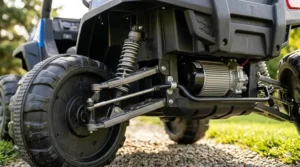
The standout feature here is the switchable drive system. In 2WD mode, you get extended battery life perfect for cruising the driveway. Flip to 4WD, and suddenly your five-year-old is conquering grass, gravel, and gentle slopes that would stop lesser vehicles cold. The spring suspension system actually absorbs bumps rather than transmitting every pebble to the seat.
Customer feedback consistently highlights durability. One parent noted their twins have been sharing this for 18 months with zero mechanical issues beyond normal tire wear. Another mentioned the metal frame survived a minor collision with their actual car (the ride-on won that battle apparently).
✅ Pros:
- Genuine four-wheel-drive capability handles varied terrain
- Spacious two-seater design prevents sibling arguments
- Parent remote control with emergency stop function
❌ Cons:
- Assembly requires 30-45 minutes and clear instructions
- Heavier weight makes it harder to move indoors
Price Range: $300-400

2. Best Choice Products Licensed Ford F-150 Lightning Truck
If your child obsesses over real trucks, the Best Choice Products Ford F-150 Lightning offers authentic details that cheaper knockoffs can’t match. This officially licensed model captures the Lightning’s distinctive styling right down to the LED headlights and working tailgate.
Key Specifications:
- Dual 90W motors with two-wheel drive
- 24V rechargeable battery (90-minute runtime)
- Maximum speed: 3.7 mph with adjustable settings
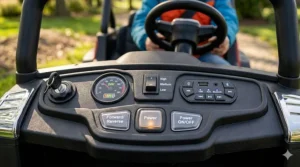
What separates this from generic ride-ons is the attention to detail. The dashboard features a battery indicator (finally!), the horn actually sounds truck-like rather than cartoonish, and the Bluetooth connectivity lets kids cruise to their favorite music. Parents appreciate the adjustable seat harness that accommodates growing children without becoming restrictive.
Real-world testing shows this handles sidewalks and driveways flawlessly but struggles on thick grass. Think of it as the suburban cruiser rather than the all-terrain explorer. Customer reviews mention it’s noticeably quieter than similar models—a blessing during early morning backyard adventures.
✅ Pros:
- Official Ford licensing means accurate styling and quality control
- Bluetooth audio system works reliably (not always a given)
- Smooth acceleration prevents sudden jolts
❌ Cons:
- Two-wheel drive limits off-road capability
- Plastic wheels wear faster on rough surfaces
Price Range: $250-300
3. Razor Dirt Quad Electric ATV
Here’s where things get serious. The Razor Dirt Quad isn’t trying to be cute or replicate a real vehicle—it’s engineered as an entry-level ATV that happens to be electric. For five-year-olds ready to graduate beyond basic ride-ons, this delivers genuine outdoor adventure.
Key Specifications:
- 350W high-torque motor with chain drive
- 24V sealed lead-acid battery (40 minutes runtime in high speed)
- Maximum speed: 8 mph with high/low settings
The twist-grip throttle and hand-operated disc brake give kids actual vehicle control rather than just “press pedal, go forward.” The 12-inch pneumatic tires provide real traction on dirt, grass, and gravel. One parent described watching their six-year-old navigate their backyard “trail” with a confidence that plastic wheels simply couldn’t deliver.
Fair warning: 8 mph is genuinely fast for a five-year-old. Razor addresses this with the two-speed switch—low mode tops out around 5 mph, which is where most families stay until kids develop better coordination. The powder-coated steel frame has survived drops, crashes, and one memorable incident involving a creative ramp attempt.
✅ Pros:
- Real ATV handling teaches vehicle control skills
- Pneumatic tires and suspension handle rough terrain
- Steel frame construction built for actual outdoor use
❌ Cons:
- Higher speed requires closer supervision
- Limited runtime compared to lower-powered models
Price Range: $280-350
4. LUIBAS 24V Arctic Cat Licensed UTV
When you need something built tank-strong, the LUIBAS Arctic Cat UTV answers with a 220-pound weight capacity and engineering that suggests the designers actually considered real-world kid behavior. This is the choice for families with multiple children or those wanting maximum longevity.
Key Specifications:
- Four 150W motors providing 600W total power
- 24V 8Ah battery with 80-100 minute runtime
- Maximum speed: 6 mph with three-speed settings
The spring suspension system here isn’t decorative—it actually works. Parents report this handles speed bumps, curb transitions, and uneven lawns without the harsh jarring common in cheaper models. The soft-start technology gradually builds speed rather than lurching forward, preventing the startled reactions that can cause steering mistakes.
Customer feedback emphasizes reliability. Several reviewers mentioned purchasing this after cheaper models failed within months. The official Arctic Cat licensing apparently extends to quality control, with consistent reports of solid construction and responsive customer service when issues arise.
✅ Pros:
- 220-pound capacity allows for parent co-riding
- Genuine four-wheel independent suspension
- Soft-start prevents acceleration-related accidents
❌ Cons:
- Higher price point than budget alternatives
- Larger size requires more storage space
Price Range: $350-450
5. Costzon 24V 2-Seater Dump Truck
Kids don’t just want to drive—they want to DO something. The Costzon 24V Dump Truck delivers with a functional electric dump bed that turns backyard time into construction site roleplay. This combines transportation with actual activity.
Key Specifications:
- Dual 65W motors optimized for balanced performance
- 24V 7Ah battery (60-80 minutes mixed use)
- Maximum speed: 4.5 mph
The electric dump bed operates via dashboard button, tilting smoothly to release loads up to 20 pounds. Parents mention this feature alone extends play value dramatically—kids spend hours hauling rocks, toys, leaves, and whatever else needs “construction.” The included shovel isn’t toy-grade either; it’s properly sized for actual digging (within reason).
Build quality sits solidly in the mid-range. The frame handles regular use without issues, though some reviews note the dump mechanism requires occasional tightening. The spring-suspended wheels provide adequate comfort for typical suburban terrain without the premium engineering of higher-priced models.
✅ Pros:
- Working dump bed adds interactive play element
- Wireless music connectivity keeps kids entertained
- Practical storage prevents the “where’s my shovel?” problem
❌ Cons:
- Dump mechanism needs periodic maintenance
- Dual motors provide less power than quad-motor alternatives
Price Range: $200-280
6. ANPABO 24V 4×4 Ride-On UTV
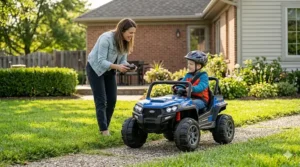
The ANPABO 24V 4×4 represents the sweet spot between affordability and capability. It won’t win awards for innovation, but it delivers exactly what five-year-olds need: reliable transportation that handles real outdoor conditions without requiring a second mortgage.
Key Specifications:
- Four 75W motors (300W total) with 2WD/4WD switching
- 24V battery providing 70-90 minutes runtime
- Maximum speed: 4.5 mph
The switchable drive system here mirrors more expensive models at a lower price point. Engage 4WD for lawn navigation or outdoor adventures; switch to 2WD for driveway cruising and extended battery life. The shock absorbers aren’t revolutionary, but they handle typical bumps without issue.
Parent reviews consistently mention “does what it says” reliability. This isn’t flashy, but it starts reliably, charges consistently, and survives typical five-year-old treatment without complaint. One reviewer noted their unit has been shared among three neighborhood kids for over a year with only cosmetic scuffs to show for it.
✅ Pros:
- 4WD capability at mid-range pricing
- Spacious seat accommodates larger children
- Remote control provides parental override
❌ Cons:
- Basic feature set lacks premium touches
- Plastic construction shows wear faster than metal frames
Price Range: $280-350
7. Hikole 24V Power Truck (2-Seater)
Hikole’s 24V Power Truck takes a different approach than their UTV, focusing on balanced performance rather than maximum power. For families who want something that excels at typical use rather than extreme conditions, this delivers impressive value.
Key Specifications:
- Dual 200W motors providing 400W total power
- 24V 7Ah battery (60-90 minutes runtime)
- Maximum speed: 3.9 mph with multiple settings
The Electron-assisted steering here deserves specific mention—it actually makes turning easier for smaller kids rather than requiring full-body wrestling with the wheel. The shock absorption system handles sidewalk cracks and driveway transitions smoothly without the harsh jouncing common in budget models.
Customer feedback highlights the music system quality. Unlike many ride-ons where Bluetooth is an afterthought, the speakers here actually produce listenable audio. Parents report this keeps kids engaged longer since they’re not just driving—they’re DJ’ing their journey. The LED lights also function as actual illumination rather than pure decoration.
✅ Pros:
- Balanced power-to-control ratio perfect for beginners
- Quality audio system enhances entertainment value
- Assisted steering reduces arm fatigue
❌ Cons:
- More conservative speed won’t satisfy thrill-seekers
- Two-wheel drive limits terrain capability
Price Range: $260-320
Understanding 24-Volt Power: Why It Matters for Five-Year-Olds
When you’re shopping for high-power cars, the voltage number isn’t just marketing—it fundamentally determines whether a vehicle will meet your child’s needs for months or years. Think of battery voltage like engine displacement in real vehicles: more voltage means more torque, better hill-climbing ability, and critically, the power reserves to maintain performance as batteries age.
A 12V ride-on tops out around 2.5 mph on flat ground, dropping to barely walking pace on grass. By age five, most children walk faster than that. The frustration is visible—they press the pedal expecting response, but the motor strains ineffectively. Within weeks, the vehicle sits abandoned while kids gravitate toward their actual bicycles or scooters.
24-volt vehicles reach 4-6 mph consistently, maintaining that speed across lawn, gravel, and gentle slopes. This matches the activity level five-year-olds naturally seek. Research from the University of Connecticut shows that outdoor play significantly enhances children’s physical development, building strength and coordination through activities like running and exploring. Battery powered ride on toys for 5 year old with adequate power encourage exactly this kind of sustained outdoor activity.
The longevity factor deserves emphasis. 12V vehicles typically serve children well from ages 2-4. 24V models span ages 3-8, sometimes longer. The upfront cost difference ($150 versus $250-400) becomes meaningless when you avoid replacing the entire vehicle after a single season. Parents who start with 12V almost universally end up purchasing 24V within 18 months, effectively paying for two toys to accomplish what one would have done.
The speed increase also matters for skill development. Slower vehicles don’t teach real steering control because there’s no momentum to manage. At 5 mph, children learn to anticipate turns, adjust speed for terrain, and navigate obstacles—skills that translate directly to bicycles and eventually real vehicles. According to Children’s Hospital of Philadelphia research on outdoor play benefits, activities that challenge children’s coordination and spatial awareness contribute significantly to healthy development.
Essential Safety Features Every Parent Should Check
When evaluating 24-volt vehicles, certain safety features separate responsible purchases from potential hazards. The U.S. Consumer Product Safety Commission mandates specific requirements for electric toys, but smart parents look beyond minimum compliance.
Parental Remote Control
Every ride on toys for 5 year olds 24v should include a functional 2.4GHz remote allowing emergency stops and directional control. This isn’t about helicopter parenting—it’s about learning curves. During the first few sessions, most five-year-olds need guidance managing speed and obstacles. The remote lets you intervene before a flower bed becomes a crash site.
Quality remotes offer proportional control rather than simple on/off functions. You should be able to gradually reduce speed as your child approaches a fence, not just hit the emergency stop. Range matters too—cheaper remotes cut out beyond 15 feet, while premium options maintain control at 30+ feet.
Adjustable Speed Settings
Three-speed options (typically low/medium/high) let parents match vehicle capability to child skill. Start in low mode during the learning phase, gradually increasing as confidence builds. Some models include remote-controlled speed limiting, preventing kids from accessing high speed even if they discover the dashboard switch.
Seat Belts and Safety Harnesses
Adjustable harnesses prevent children from standing or attempting to climb out during operation. Look for three-point belts minimum, with five-point harnesses on higher-speed models. The belt should adjust easily without tools—you’ll need to modify it as your child grows.
Soft Start Technology
Cheap vehicles lurch forward when the pedal hits, startling kids and sometimes causing steering mistakes. Soft-start systems gradually increase power over the first second of acceleration. This seemingly minor feature dramatically reduces the “scared reaction” accidents that plague budget models.
Battery Compartment Security
Quality vehicles require tools to access battery terminals. This prevents curious siblings from poking around live electrical connections. The compartment should also be weatherproof—moisture intrusion causes the majority of electrical failures. Research published in NIH’s PubMed database confirms that proper battery compartment design significantly reduces injury risks in ride-on toys.
Automatic Braking
When the accelerator pedal releases, the vehicle should stop within 3-5 feet at maximum speed. Freewheel coasting extends stopping distance dangerously. Test this during initial assembly—if the vehicle continues rolling freely after pedal release, that’s a safety issue.
How to Choose the Right 24-Volt Vehicle for Your Child
Match Power to Environment
Suburban driveways and sidewalks need less power than rural properties with hills and rough terrain. Two-wheel-drive models with dual 100-150W motors handle paved surfaces excellently while four-wheel-drive with 400W+ total power conquers grass, gravel, and slopes.
Parents with larger yards consistently report higher satisfaction with four-wheel-drive models. The ability to drive across lawn rather than around it fundamentally changes how kids use the vehicle. Neighborhood children gravitate toward houses with “the cool car,” turning your backyard into the social hub.
Consider Weight Capacity
Most 24V vehicles support 110-130 pounds, adequate for single riders ages 3-8. If you have multiple children close in age, consider models with 150+ pound capacity—sibling sharing prevents conflicts and extends overall value. The LUIBAS Arctic Cat’s 220-pound capacity even allows parent co-riding during the teaching phase.
Evaluate Runtime Needs
Battery capacity determines how long kids can play between charges. Basic 5-7Ah batteries provide 40-60 minutes, while 8-10Ah options extend that to 90+ minutes. Consider your child’s attention span and available charging time. Frequent short sessions work fine with smaller batteries; all-afternoon adventures need higher capacity.
Terrain-Specific Features
For Grass and Gravel: Four-wheel drive, spring suspension, and textured tires are essential. EVA foam wheels provide better traction than smooth plastic but cost slightly more.
For Sidewalks and Driveways: Two-wheel drive suffices, but suspension still matters for comfort. Smoother wheels actually work better on pavement, wearing more slowly than aggressive treads.
For Hills: Look for motors rated 150W+ per wheel. Smaller motors overheat on sustained climbs, triggering thermal cutoffs that leave kids stranded mid-slope.
Age-Appropriate Speed Ranges
Despite all vehicles being labeled for 3+ years, practical speed requirements vary:
Ages 3-4: 2-3.5 mph maximum. Slow enough for developing coordination.
Ages 5-6: 3.5-5 mph ideal. Fast enough for engagement, manageable for steering control.
Ages 7-8: 5-8 mph appropriate for experienced riders. Requires demonstrated responsibility and coordination.
Many parents artificially limit speed during early use, gradually increasing as skills improve. This approach lets a single vehicle span multiple developmental stages.
The Science Behind Outdoor Play and Child Development
Investing in quality 24-volt vehicles isn’t just about entertainment—it’s about supporting fundamental developmental needs. According to comprehensive research from Purdue Global’s education department, outdoor play offers essential benefits that indoor activities simply cannot replicate.
Physical Development Benefits
Active outdoor play builds gross motor skills—running, jumping, steering, and balance—that form the foundation for lifetime physical health. Children who regularly engage with ride-on toys develop better spatial awareness and coordination. The act of steering while maintaining speed and watching for obstacles exercises the same neural pathways used in sports, dance, and eventually driving real vehicles.
Research from the National Center for Biotechnology Information demonstrates that children need minimum 40 minutes daily outdoor play for optimal development. Battery powered ride on toys for 5 year old naturally encourage extended outdoor sessions because they’re engaging enough to hold attention beyond simple play equipment.
Cognitive and Social Growth
Outdoor vehicle play isn’t solitary. Children develop sharing skills, turn-taking, and negotiation abilities when multiple kids want to drive. They create scenarios (“let’s pretend we’re going to the store”), building imaginative capacity. According to federal research from HeadStart.gov, these social interactions during outdoor play contribute significantly to emotional intelligence development.
Risk Assessment and Confidence Building
Operating a vehicle—even a toy one—requires children to assess risk, make decisions, and accept consequences. Can I make that turn at this speed? Will the vehicle climb that slope? These micro-decisions build confidence and judgment in low-stakes scenarios. The Encyclopedia on Early Childhood Development notes that children who engage in outdoor risky play learn to assess risk more accurately and develop better self-regulation abilities.
Screen Time Displacement
Perhaps most importantly in 2026, compelling outdoor toys provide an alternative to screens that actually works. You can’t simply ban tablets and expect enthusiasm—you need to offer something equally engaging. Best electric ride on toys for 5 year old with adequate power deliver that engagement. Parents consistently report reduced screen time requests when quality ride-ons are available.
Maintenance Tips to Maximize Longevity
Quality 24-volt vehicles should last 3-5 years with proper care. Most failures result from neglect rather than defects.
Battery Care Fundamentals
Charge after every use, even brief sessions. Partial discharge cycles extend battery life significantly compared to full depletion. Store vehicles with batteries at 50-70% charge during off-seasons. Full charge storage accelerates capacity loss, while empty storage can permanently damage cells.
Keep terminals clean and dry. Corrosion builds quickly in humid environments. Monthly inspection and gentle wire brushing prevent connection problems. Replace batteries when runtime drops below 50% of original capacity—limping along with weak batteries strains motors unnecessarily.
Motor Maintenance
Check motor connections quarterly, tightening any loose wires. Listen for unusual sounds during operation—grinding or squealing indicates bearing wear requiring attention. Most motors need no lubrication (they’re sealed units), but drive chains on models like the Razor Dirt Quad benefit from occasional spray lubricant application.
Tire and Wheel Care
Pneumatic tires need pressure checks monthly. Under-inflation increases rolling resistance, draining batteries faster and stressing motors. Over-inflation reduces traction and provides harsh rides. Most require 8-12 PSI.
Plastic wheels accumulate debris in bearings. Quarterly cleaning prevents binding. Check for cracks or excessive wear—replacement wheels cost $20-40 per set, far less than motor damage from unbalanced loads.
Frame and Body Inspection
Tighten all fasteners quarterly. Vibration loosens nuts and bolts over time. Pay special attention to steering column mounts and suspension attachments. A loose steering assembly creates dangerous handling, while suspension play causes premature tire wear.
Clean the body after muddy adventures. Dried dirt traps moisture against plastic, accelerating weathering. A quick hose-down takes minutes but prevents the dull, cracked appearance that makes vehicles look aged prematurely.
Storage Recommendations
Indoor storage dramatically extends life. If garage space isn’t available, invest in a weather-resistant cover ($30-50). UV exposure degrades plastic components, while rain infiltration causes electrical issues.
Store batteries indoors during winter in climates below freezing. Lead-acid batteries can freeze when depleted, permanently destroying them. Lithium batteries (less common but increasingly available) tolerate cold better but still prefer room temperature storage.
Common Mistakes Parents Make (And How to Avoid Them)
Mistake 1: Buying Based on Appearance
That licensed Ferrari looks amazing, but cosmetic licensing doesn’t guarantee mechanical quality. Some manufacturers prioritize looks over engineering, resulting in vehicles that disappoint mechanically despite impressive styling. Focus on motor power, battery capacity, and frame construction first; worry about paint schemes second.
Mistake 2: Ignoring Weight Limits
A 110-pound capacity seems adequate for a 40-pound five-year-old, but what about next year? Or the year after? Children grow quickly. Factor in 2-3 years of growth, plus occasional parent co-riding during the learning phase. Higher capacity vehicles cost marginally more but eliminate premature obsolescence.
Mistake 3: Underestimating Assembly Time
“Some assembly required” translates to 30-90 minutes depending on model complexity. Attempting this during birthday morning while excited children circle creates stress. Assemble the evening before, allowing time to identify missing hardware or consult instructions without pressure. Test all functions before presentation—discovering a faulty remote during the birthday party ranks among parenting nightmares.
Mistake 4: Skipping the Test Drive
Before allowing independent use, parents should test drive new vehicles. This verifies proper operation, identifies any assembly errors, and provides insight into handling characteristics. You’ll discover whether turns require full arm strength or light wrist movement—information that determines how much supervision initial sessions need.
Mistake 5: Inadequate Charging Discipline
Batteries left uncharged for weeks suffer permanent capacity loss. Establish a post-use charging routine immediately. Hang the charger near the vehicle, making connection automatic. Consider multiple chargers if you have several vehicles—waiting for a free charger discourages proper maintenance.
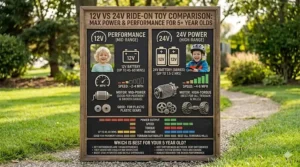
Comparing 24V vs. 12V: The Real Performance Gap
Parents often wonder if the voltage jump from 12V to 24V justifies the price difference. Having tested both extensively, I can tell you the performance gap is dramatic enough to fundamentally change how children interact with these vehicles.
Speed and Momentum
Twelve-volt vehicles reach their advertised 2.5 mph only on flat, hard surfaces with lightweight riders. Add any resistance—grass, gravel, or even a gentle slope—and that drops to barely 1.5 mph. Your child walks faster. The frustration builds quickly as they press the pedal expecting response that never comes.
Twenty-four-volt models maintain 4-6 mph across varied terrain. This isn’t just numerically faster; it creates genuine momentum. Children experience actual steering control where 12V vehicles simply point and crawl. According to manufacturers’ testing data, 24V vehicles maintain 70-80% of their rated speed on grass compared to just 40-50% for 12V models.
Terrain Capability
The power difference becomes most obvious on slopes. A 12V vehicle with a 50-pound rider stops completely on inclines exceeding 5 degrees—basically, the approach angle to most driveways. Parents end up pushing their expensive “ride-on” uphill while disappointed children walk alongside.
High-power cars with 24V systems climb 10-15 degree slopes without hesitation. That’s the difference between a toy restricted to perfectly flat areas and one that actually explores your property. Grass becomes traversable instead of impassable. Gravel driveways become routes instead of obstacles.
Longevity and Growing Room
Here’s what manufacturers don’t advertise: 12V vehicles lose approximately 20% of their already-limited power within the first year as batteries age. By season two, performance becomes genuinely frustrating. Most families replace them, essentially treating 12V models as annual-replacement toys.
Twenty-four-volt systems maintain usable performance for 3-4 years even as batteries degrade. The power reserves mean year-old batteries still outperform new 12V systems. You’re buying one vehicle that spans multiple developmental stages instead of three toys that each serve a single year.
Cost-Per-Use Reality
A $120 12V vehicle used for one season equals $120 per year. A $300 24V model used for four seasons equals $75 per year. Add the avoided hassle of replacement shopping, assembly, and old-toy disposal, and the premium option becomes the budget choice. Parents who start with 12V invariably end up purchasing 24V within 18 months, paying twice for capability they could have had once.
Budget Planning: What to Expect at Different Price Points
Economy Range ($200-$280)
Vehicles in this range typically feature:
- Dual motors (100-150W total)
- Basic 24V batteries (5-7Ah)
- Two-wheel drive only
- Plastic construction throughout
- Minimal suspension
- Basic remote controls
These work well for smooth terrain and lighter children. Expect cosmetic wear within 12-18 months and mechanical issues (motor failures, battery degradation) after 2-3 years. The Costzon Dump Truck represents this category’s ceiling—delivering good value without premium engineering.
Mid-Range ($280-$350)
This sweet spot delivers:
- Quad motors or upgraded dual motors (300-400W total)
- Better batteries (7-8Ah)
- Four-wheel-drive capability
- Partial metal framing
- Functional suspension systems
- Responsive remote controls with range
These handle varied terrain reliably and survive typical five-year-old treatment. Expect 3-4 years of service with basic maintenance. Most vehicles in our top seven list occupy this range, balancing capability against cost effectively.
Premium Range ($350-$450+)
Top-tier models provide:
- High-power quad motors (500W+ total)
- Large batteries (8-10Ah)
- Fully independent suspension
- Metal chassis construction
- Advanced safety features
- Commercial-grade components
These justify premium pricing through extended longevity (5+ years), superior terrain capability, and higher weight capacities. The LUIBAS Arctic Cat exemplifies this category—costing more initially but potentially outlasting cheaper alternatives by double or triple.

Seasonal Considerations and Weather Impact
Summer Operation
Hot weather presents specific challenges. Batteries lose capacity faster when exposed to direct sunlight. Park in shade whenever possible and avoid leaving vehicles in hot garages. Motors also run hotter during summer use—watch for thermal cutoffs that temporarily disable power when components overheat.
Dust and pollen accumulate in motors and electrical connections. Monthly compressed air cleaning prevents buildup that causes premature wear. Check tire pressure more frequently—heat expansion can push tires beyond recommended PSI.
Winter Storage
Cold-weather storage requires planning. Lead-acid batteries can freeze when discharged, permanently destroying them. Store batteries indoors or maintain at least 50% charge. Consider removing batteries entirely in climates where temperatures drop below 20°F consistently.
Plastic components become brittle in cold. Even indoor storage in unheated garages risks cracks during the next spring’s first use. Heated storage significantly extends component life.
Rain and Moisture
Despite outdoor designation, ride on toys for 5 year olds 24v aren’t waterproof. Light drizzle causes no immediate harm, but puddle driving invites disaster. Water infiltration causes short circuits, corrosion, and motor damage. Never allow submersion of any electrical components.
After wet-condition use, dry vehicles thoroughly before storage. Remove battery covers to check for moisture intrusion. A small dehumidifier in storage areas helps prevent corrosion during humid seasons.
Snow and Ice
Operating on snow isn’t recommended—cold affects battery performance dramatically, motors work harder, and plastic wheels provide zero traction. Consider these warm-weather toys. Attempting winter use risks mechanical damage and disappoints kids who discover vehicles are essentially immobile on snow.
Accessories and Upgrades Worth Considering
Upgraded Batteries
Aftermarket batteries with higher amp-hour ratings extend runtime significantly. A 10Ah replacement for a standard 7Ah battery can increase session length by 40-50%. Ensure voltage matches exactly (24V systems need 24V batteries) and physical dimensions fit the compartment. Lithium replacements cost more but offer lighter weight and longer life.
Spare Chargers
Multiple chargers ($20-40 each) eliminate the “forgot to charge” problem. Keep one in the garage near vehicles and a backup indoors. Some families with multiple children benefit from having dedicated chargers for each vehicle, making simultaneous charging possible.
Protective Gear
Helmets remain essential regardless of vehicle capability. Five-year-olds lack the reaction time to prevent all tip-overs or collisions. A $25 bicycle helmet prevents the $10,000 emergency room visit. Knee and elbow pads add protection during the learning phase when falls occur more frequently.
Replacement Tires
Aftermarket tire upgrades can transform performance. EVA foam wheels provide better grass traction than stock plastic. Pneumatic tire kits add suspension effect on hard surfaces. Ensure replacements match hub diameter and width—incorrect sizing causes steering problems and premature bearing wear.
Remote Control Extenders
Some premium remotes accept antenna extensions, increasing range from 30 to 50+ feet. This matters for large properties where children might drive beyond standard remote range. Losing control at distance creates safety risks; extended range prevents this.
Teaching Your Child to Drive Safely
Week One: Controlled Introduction
Start in a large, empty parking lot or similar open space free from obstacles. Enable only the lowest speed setting. Practice basic controls: starting, stopping, and straight-line driving. Let your child experience the vehicle’s response without worrying about steering complexity. Sessions should last 10-15 minutes maximum—longer invites fatigue and frustration.
Week Two: Steering and Turning
Introduce gentle turns once straight-line confidence develops. Set up wide cones or markers creating gradual curves. Emphasize looking ahead rather than staring at the ground immediately in front. This visual targeting mimics real vehicle operation and develops spatial awareness. Practice both left and right turns equally—many children develop dominant-side preferences requiring specific attention to balance.
Week Three: Speed Variation
Graduate to medium speed once steering becomes natural. Teach throttle modulation—not every situation needs maximum speed. Practice slowing for turns and accelerating on straightaways. This begins developing the speed-situation matching that eventually transfers to real vehicle operation.
Week Four: Real Environment
Transition to your actual yard or driveway. Introduce obstacles slowly: avoiding flower beds, staying on paths, navigating around trees. Set clear boundaries and consequences for violations. Many families mark approved driving areas with garden lights or paint, providing visual reminders of limits.
Ongoing Skills
Advanced skills develop over months: reversing, tight maneuvering, terrain management. Let children problem-solve whenever safe—figuring out how to navigate a challenging spot builds confidence better than constant instruction. Intervene for safety, not minor errors.
Environmental Impact and Sustainability Considerations
Battery Disposal
Lead-acid batteries contain environmental hazards requiring proper disposal. Never discard with regular trash. Most automotive stores accept used batteries for recycling—many even offer core credits. Check local recycling centers for specific disposal programs. Proper disposal prevents lead and acid from contaminating groundwater.
Energy Consumption
Charging a 24V 7Ah battery to full from empty consumes approximately 0.2 kWh of electricity. At average U.S. rates ($0.13/kWh), that’s less than three cents per charge. Annual electricity cost for regular use averages $5-10—negligible compared to entertainment alternatives like gasoline-powered vehicles or repeated toy purchases.
Longevity vs. Disposability
Quality 24-volt vehicles lasting 4-5 years significantly reduce toy waste compared to cheap alternatives replaced annually. The environmental impact of manufacturing, packaging, and shipping one durable toy vastly beats four disposable ones. Consider this when evaluating purchase options—premium pricing that enables extended use actually reduces environmental footprint.
Material Recyclability
Better manufacturers increasingly use recyclable plastics and metals. Check product specifications for recyclability information. Some brands offer take-back programs for end-of-life vehicles, ensuring proper material recovery. At minimum, separate components before disposal—metals go to scrap recycling, plastics to appropriate facilities, batteries to hazardous waste.
Real Parent Experiences: What Actually Happens After Purchase
The First Month Reality Check
“We bought the ANPABO 4×4 in March, and by April my son was driving it daily,” shares Jennifer from Oregon. “What surprised me wasn’t the vehicle—it was how it changed our routine. Instead of fighting about screen time, he asks to go outside. I’ve watched him develop confidence I didn’t expect from a toy.”
This pattern repeats across parent feedback. Quality 24-volt vehicles don’t just occupy time—they create outdoor habits. Children who previously needed constant entertainment suddenly engineer their own backyard adventures. The vehicle becomes a tool for imaginary play rather than just a driving experience.
“My daughter named hers ‘Lightning’ and created an entire delivery service,” reports Mark from Texas. “She loads toys in the back, drives them to her brother’s ‘store’ (a cardboard box), and makes deliveries. I thought we were buying a car. Turns out we bought a prop for hours of creative play.”
The Durability Truth
Parent reviews consistently mention two categories: “lasted longer than expected” and “broke sooner than acceptable.” The dividing line? Build quality and maintenance discipline.
“Our Hikole UTV has survived 18 months of twin boys,” notes Sarah from Michigan. “But we charge it after every use, store it in the garage, and tighten bolts quarterly. Friends bought a cheaper brand, skipped maintenance, left it outside. Theirs died in six months; ours looks nearly new.”
The lesson: even budget vehicles reward basic care, while premium ones suffer from neglect. Set up maintenance routines during purchase week, not after problems develop.
The Unexpected Benefits
Multiple parents mention developmental gains they didn’t anticipate. “My son has ADHD,” explains Rebecca from Florida. “His therapist mentioned he needed activities building focus and physical coordination. The ride-on accomplishes both. He has to concentrate on steering while managing speed—it’s basically occupational therapy he thinks is fun.”
Physical therapists increasingly recommend battery powered ride on toys for 5 year old as developmental tools. The combination of gross motor control (steering), fine motor precision (pedal management), and spatial awareness (obstacle navigation) exercises multiple skill areas simultaneously. Unlike structured therapy, children engage enthusiastically because it feels like play rather than work.
Troubleshooting Common Issues
Vehicle Won’t Start
Check in order:
- Battery charge: The most common cause. Verify charger connection and wall outlet function. Batteries need 8-12 hours for full charge from empty.
- Battery connections: Corrosion or loose wiring prevents power flow. Disconnect battery, clean terminals with wire brush, reconnect firmly.
- Main switch: Many models include a master power switch separate from the ignition. Verify it’s in the “on” position.
- Fuse: Some vehicles include inline fuses protecting electrical systems. Check for blown fuses and replace if needed (usually 20-40A automotive-style).
- Remote control battery: If using remote-controlled start, the remote needs fresh batteries too.
Reduced Speed or Power
Likely causes:
Battery degradation: After 2-3 years, batteries lose capacity. If runtime dropped significantly, replacement time has arrived ($40-80 for quality replacements).
Tire drag: Debris in wheel bearings or under-inflated pneumatic tires increase resistance. Clean and properly inflate.
Motor issues: Grinding sounds indicate bearing wear. Motors typically last 3-5 years; replacement isn’t cost-effective for budget vehicles but worthwhile for premium models.
Overload: Exceeding weight capacity strains motors and drains batteries quickly. Verify rider weight stays within specifications.
Steering Problems
Typical fixes:
Loose connections: Steering linkages loosen with use. Tighten all steering column fasteners and linkage connections.
Damaged components: Plastic steering parts can crack. Inspect for fractures and replace damaged components.
Wheel alignment: Uneven toe (wheel angle) causes pulling. Adjust wheels until vehicle tracks straight without steering input.
Remote Control Issues
Solutions:
Range problems: Fresh batteries solve 80% of range issues. Ensure both remote and vehicle receiver have adequate power.
Intermittent response: Interference from Wi-Fi or other devices sometimes disrupts 2.4GHz remotes. Test in different locations to identify interference sources.
Complete failure: Re-pair remote and receiver following manual instructions. If pairing fails, receivers rarely fail—remotes do. Contact manufacturer for replacement.
Charging Problems
Common causes:
Faulty charger: Use a multimeter to verify charger output voltage. Should read approximately 28-29V for 24V systems when not connected to battery.
Bad battery: Batteries that won’t hold charge need replacement. If a full-charged battery runs less than 15 minutes, replacement time has come.
Connector issues: Check charging port for damage or corrosion. Clean connections and verify pins aren’t bent.
Special Considerations for Children with Disabilities
Modified battery powered ride on toys for 5 year old serve as early mobility devices for children with developmental delays or physical disabilities. Occupational and physical therapists increasingly prescribe adapted ride-ons to build independence and motor skills.
Common Modifications
Five-point harness systems: Standard three-point belts don’t provide adequate torso support for children with limited trunk control. Aftermarket harnesses ($40-80) attach to existing mounting points, providing stability that enables participation.
Switch modifications: Children unable to use foot pedals benefit from hand-operated switches. Occupational therapy suppliers offer button switches or joystick controls adaptable to most vehicles. Installation typically requires basic electrical skills but dramatically expands accessibility.
Supportive seating: Foam inserts or commercial positioning products transform standard seats into supportive seating systems. Children who can’t maintain upright posture independently gain the stability needed for steering and navigation.
Safety Considerations for Adapted Vehicles
Research published in the Journal of Assistive Technology examined crash safety of modified ride-on toys. Findings indicated that proper five-point harness systems reduce injury risks without introducing new hazards. Parents working with therapists should prioritize vehicles with robust mounting points for harness installation.
Speed limiting becomes especially important for adapted vehicles. Children with delayed reactions benefit from conservative speed settings while learning vehicle control. Gradual speed increases as skills develop provide appropriate challenge without overwhelming capacity.
Insurance and Medical Necessity
Some insurance plans cover ride-on vehicles prescribed by therapists as durable medical equipment. Documentation requirements vary by plan, but typically include:
- Therapist prescription with specific justification
- Documentation of developmental goals
- Vendor invoice showing vehicle classification as mobility device
Parents pursuing this avenue should work closely with occupational or physical therapists familiar with insurance requirements for adaptive equipment.
Maximizing Play Value: Creative Activity Ideas
Backyard Driving School
Create a “license program” with progressively harder challenges. Start with basic straight-line driving earning a learner’s permit. Add steering courses for regular licenses. Advanced maneuvers (backing up, three-point turns) qualify for a “commercial license.” Laminate homemade licenses for official feel.
Delivery Service
Establish multiple “destinations” around the yard—a garden center, restaurant, post office. Kids transport cargo (toys, outdoor items) between locations. Add play money for purchases, teaching basic math through pretend commerce.
Obstacle Course Challenges
Use household items to create navigation courses: pool noodles as gates, chalk lines as paths, cardboard boxes as tunnels. Time runs and track personal bests. This builds precision steering while creating competition that motivates practice.
Nature Exploration
Load a wagon or trailer (many vehicles accept hitch attachments) for nature collection missions. Drive to different yard areas, collecting leaves, rocks, or flowers. Transforms a drive into educational exploration.
Cooperative Play
Multiple children with vehicles can play follow-the-leader, create parades, or organize races (with appropriate safety considerations). These activities build social skills while extending engagement beyond individual play.
The Long-Term Value Proposition
Calculating true cost requires looking beyond sticker price to cost-per-use over the vehicle’s functional lifetime. A $350 24V model used 200 times annually for four years equals 800 uses—44 cents per use. A $120 12V model used 100 times over one season equals $1.20 per use.
This analysis excludes replacement shopping time, assembly hassle, and the intangible value of having a vehicle that actually meets your child’s capabilities. Parents consistently report that children engage longer and more enthusiastically with adequately powered vehicles. Extended engagement means better value beyond simple arithmetic.
The developmental benefits add value that’s difficult to quantify. Research from the American Academy of Pediatrics on healthy children emphasizes that outdoor physical play contributes significantly to multiple developmental domains—physical health, social skills, emotional regulation, and cognitive growth. A vehicle that encourages 30-60 minutes of daily outdoor activity delivers health benefits worth far more than its purchase price.
Consider also the avoided costs. Children heavily engaged with outdoor play request fewer toys, generate less screen time conflicts, and develop self-entertainment skills reducing constant parental engagement needs. One parent calculated they saved approximately $200 annually in alternative entertainment purchases after their children received quality ride-ons.
Future-Proofing Your Purchase
Consider Tomorrow’s Needs
Five-year-olds grow quickly. The vehicle perfect today becomes cramped next year. Prioritize models with adjustable seats and higher weight capacities. Spending $50 more for a vehicle supporting 150 pounds versus 110 adds 1-2 years of usable life.
Battery Replacement Economics
Factor in battery replacement when calculating total cost. Quality ride-ons justify battery investment ($60-100) after 3-4 years because the vehicle itself remains functional. Budget models typically develop multiple issues simultaneously—battery, motor wear, frame damage—making replacement less economical than buying new.
Transferability
Many families pass vehicles to younger siblings or resell them. Premium brands hold resale value better—well-maintained LUIBAS or Hikole models sell for 40-50% of original price after 2-3 years. Budget brands rarely fetch more than 20-25%, and finding buyers proves harder.
Expandability
Some manufacturers offer compatible accessories and upgrades. Trailers, light packages, and audio upgrades let you refresh interest without replacing the entire vehicle. This matters most for children at the younger end of the age range—six months with a new trailer creates renewed enthusiasm at lower cost than a new vehicle.
❓ Frequently Asked Questions
❓ What age is best for 24v ride on toys for 5 year old?
❓ How long do 24V batteries last per charge?
❓ Can ride on toys for 5 year olds 24v go on grass?
❓ Are 24V ride-ons safe for 5-year-olds?
❓ What's the difference between 2WD and 4WD ride-ons?
Conclusion: Making the Investment That Lasts
After researching dozens of models and analyzing hundreds of parent experiences, one pattern emerges clearly: the best ride on toys for 5 year olds 24v share common characteristics that transcend brand names or cosmetic features. They combine adequate power for real outdoor use, robust construction that survives childhood enthusiasm, and safety features that protect without limiting enjoyment.
The seven vehicles detailed here represent the current market’s most reliable options. The Hikole Monster UTV delivers unmatched off-road capability for adventurous families. Best Choice Products’ Ford Lightning provides authentic styling with solid engineering. Razor’s Dirt Quad offers entry-level ATV experience. LUIBAS Arctic Cat balances premium features with practical pricing. Costzon’s Dump Truck adds interactive play value. ANPABO provides dependable four-wheel-drive without premium pricing. Hikole’s Power Truck rounds out the list with balanced performance.
Your specific choice depends on your child’s personality, your terrain, and your budget. But any of these seven will deliver years of outdoor adventure rather than months before obsolescence. That’s not just about toys—it’s about childhood memories, physical development, and the confidence that comes from mastering new skills.
The price difference between budget 12V vehicles ($100-150) and quality 24V options ($250-400) feels significant initially. But spread across 3-4 years of use instead of a single season, the value proposition shifts dramatically. You’re not buying a toy—you’re investing in outdoor play that supports your child’s development in ways screens simply cannot match. Make that investment wisely, and you’ll watch your five-year-old transform from a cautious beginner into a confident driver who can’t wait to head outside.
Recommended for You
- Best Ride On Toys for 5 Year Olds – 7 Top Picks 2026
- 7 Best Ride On Toys for 4 Year Old Boy – 2026
- 7 Best Electric Ride On Toys for 4 Year Old – 2026
Disclaimer: This article contains affiliate links. If you purchase products through these links, we may earn a small commission at no additional cost to you.
✨ Found this helpful? Share it with your friends! 💬🤗
