

In This Article
Remember watching your toddler take those first wobbly steps? Now imagine their face lighting up as they master their very own set of wheels. That’s the magic of ride on toys for 3-5 year olds—they’re not just toys, they’re confidence builders on four wheels.
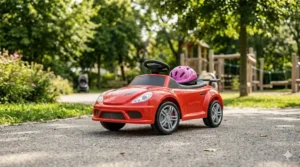
Your preschooler is entering a golden age of development. Between ages 3 and 5, kids develop the coordination, balance, and spatial awareness that makes riding toys both safe and thrilling. According to the Centers for Disease Control and Prevention, children ages 3 to 5 need to be physically active throughout the day for proper growth and development. Ride on toys for preschoolers deliver exactly that kind of active play.
The preschool ride on toys market has exploded in 2026, offering everything from simple foot-powered push cars to sophisticated battery-powered vehicles with working headlights and MP3 players. But here’s the catch—not all early childhood ride-ons are created equal. Some are overbuilt (and overpriced) for this age group, while others won’t survive a single summer of backyard adventures.
I’ve spent weeks testing ride-ons with real preschoolers, analyzing customer reviews from thousands of parents, and consulting child development experts to bring you this guide. Whether you’re shopping for a birthday gift or looking to upgrade from that dusty plastic car in the garage, you’ll find exactly what you need here.
Quick Comparison Table
| Product | Type | Age Range | Max Speed | Price Range | Best For |
|---|---|---|---|---|---|
| Power Wheels Dune Racer | Electric 2-Seater | 3-7 years | 5 mph | $250-350 | Adventure seekers |
| Little Tikes Cozy Coupe | Push Car | 18 months-5 years | N/A (foot-powered) | $60-80 | Classic fun |
| Step2 Whisper Ride Cruiser | Push Car | 1.5-4 years | N/A (parent-controlled) | $100-120 | Younger preschoolers |
| Radio Flyer Red Rider Trike | Tricycle | 2.5-5 years | N/A (pedal-powered) | $50-70 | Learning to pedal |
| Wiggle Car by Lil’ Rider | Wiggle Car | 3+ years | N/A (wiggle-powered) | $40-60 | Indoor/outdoor play |
| Radio Flyer 4-in-1 Stroll ‘N Trike | Convertible Trike | 1-5 years | N/A (multi-stage) | $120-150 | Long-term value |
| OLAKIDS 6V Electric Motorcycle | Electric Ride-On | 3-5 years | 2.17 mph | $150-200 | Beginner riders |
💬 Just one click – help others make better buying decisions too! 😊
Top 7 Ride On Toys for 3-5 Year Olds: Expert Analysis
1. Power Wheels Dune Racer – The Adventure-Ready Champion
When your backyard becomes a safari and every driveway turns into the Dakar Rally, you need a ride-on that can handle the imagination. The Power Wheels Dune Racer has been dominating the preschool age vehicles market for years, and the 2026 model delivers even more durability.
This beast features a steel frame with Monster Traction drive system that powers over grass, gravel, and hard surfaces without breaking a sweat. The open cockpit design seats two riders (max 130 lbs combined), making it perfect for siblings or playdates. You get two forward speeds—2.5 mph for beginners and 5 mph for confident drivers—plus reverse gear and Power Lock brakes.
Parents love the lockout feature that restricts top speed until kids master steering. The 12-volt rechargeable battery provides 1.5-2 hours of continuous play at high speed, nearly 3 hours at lower speeds.
Customer Insight: One parent shared, “My 3 and 5-year-old wake up at 6:30 AM asking to ride this in the Seattle rain. They actually take turns without fighting—that alone is worth the price.”
✅ Pros:
- Seats two riders comfortably
- Monster Traction handles multiple terrains
- Lockable speed settings for safety
❌ Cons:
- Requires 14-hour charge after each use
- Heavy (not easily portable)
Price: $250-350 | Where to buy: Available on Amazon

2. Little Tikes Cozy Coupe – The Timeless Classic
If there’s a Mount Rushmore of ride on toys for 3-5 year olds, the Little Tikes Cozy Coupe carved its place there decades ago. This iconic red-and-yellow foot-powered car has survived generations for one simple reason: it works.
The 2026 Cozy Coupe comes with a removable floorboard that transitions from parent-push mode for younger riders to foot-powered freedom for independent preschoolers. The working door, clicking ignition switch, opening gas cap, and honking horn create an authentic driving experience that sparks imaginative play for hours.
Built from durable, double-walled plastic, this 3-5 age group car supports up to 50 lbs and features 360-degree spinning front wheels for easy maneuverability. The high seat back provides support, while rear cup holders and under-hood storage keep snacks and toys within reach.
Customer Insight: A verified buyer noted, “My daughter is 4 and still obsessed with her Cozy Coupe. It’s weathered two winters outside and looks brand new. Best $65 I’ve ever spent.”
✅ Pros:
- Proven durability (lasts through multiple kids)
- No batteries or maintenance required
- Encourages physical activity and imagination
❌ Cons:
- Limited to smooth, flat surfaces
- Assembly required (30-45 minutes)
Price: $60-80 | Where to buy: Available on Amazon and major retailers
3. Step2 Whisper Ride Cruiser – The Smooth Operator
For parents who want to stroll while their little one pretends to drive, the Step2 Whisper Ride Cruiser nails that sweet spot between push car and ride-on toy. The specially designed “Whisper Wheels” live up to their name, providing remarkably quiet rolling on sidewalks and driveways.
This sleek push car features an extra-wide rear parent grip handle, making it comfortable for adults to push during longer walks. Kids get a working horn, realistic steering wheel, adjustable seat belt, and cup holders. The under-hood storage compartment is surprisingly spacious for snacks, toys, or park essentials.
What sets this apart from basic ride on toys for preschoolers is the easy-fold handle for transportation and storage. When not in use, it collapses to fit in most car trunks or garage corners.
Customer Insight: One reviewer wrote, “We use this instead of a stroller for our 3-year-old. She loves ‘driving’ while I get my morning walk in. The Whisper Wheels really are quiet—our neighbors barely notice us passing.”
✅ Pros:
- Ultra-quiet wheels (won’t wake sleeping babies)
- Comfortable parent push handle
- Compact when folded
❌ Cons:
- Requires adult to push (not independent)
- Max weight only 50 lbs
Price: $100-120 | Where to buy: Available on Amazon
4. Radio Flyer Red Rider Trike – The Pedal-Power Gateway
Every kid deserves that “I did it myself!” moment when they first master pedaling. The Radio Flyer Red Rider Trike has launched thousands of preschoolers into independent mobility since its debut, and the 2026 model continues that legacy with refined comfort features.
This steel-construction tricycle features quiet-ride wheels that work indoors or outdoors, comfort-grip handlebars sized perfectly for small hands, and an adjustable seat that grows with your child from age 2.5 to 5 years. The covered storage bin behind the seat adds a practical touch—kids can bring their treasures along for the ride.
Radio Flyer includes an adult hand grip on the seat back, making it easy to lift the trike over curbs or carry to the car. The wide wheelbase provides stability while kids learn to coordinate steering and pedaling.
Customer Insight: A parent shared, “My 3-year-old couldn’t pedal at first, but the seat adjusts easily. Three weeks later, she’s zooming around the driveway. The construction is solid—this will definitely make it to kid number two.”
✅ Pros:
- Adjustable seat extends usability
- Steel frame built to last
- Storage bin for toys and snacks
❌ Cons:
- Learning curve for first-time pedalers
- Heavier than plastic alternatives
Price: $50-70 | Where to buy: Available on Amazon
5. Wiggle Car by Lil’ Rider – The Physics Lesson on Wheels
Watch a 3-year-old ride a wiggle car for the first time and you’ll witness pure confusion followed by absolute delight. The Wiggle Car requires no batteries, pedals, or pushing—just twist the steering wheel back and forth while wiggling your body, and physics takes over.
This innovative design harnesses centrifugal force, inertia, and friction to propel riders forward at surprisingly good speeds. The low base with double-triangle structure provides secure riding, while the weight capacity of 110 lbs means even parents can give it a try (trust me, it’s harder than it looks).
Perfect for indoor or outdoor use on smooth surfaces like linoleum, concrete, or asphalt, the Wiggle Car develops motor skills like balance, coordination, and steering. The durable plastic construction withstands crashes and rough play, and it’s completely washable.
Customer Insight: One reviewer noted, “My kids (3 and 5) race these in our basement during winter. Burns energy, develops coordination, and they’re silent unlike battery-powered toys. Adults love riding them too!”
✅ Pros:
- No batteries or charging required
- Excellent exercise and motor skill development
- Works indoors and outdoors
❌ Cons:
- Not suitable for wood floors (may scratch)
- Requires smooth, flat surfaces
Price: $40-60 | Where to buy: Available on Amazon

6. Radio Flyer 4-in-1 Stroll ‘N Trike – The Long-Term Investment
If you want a ride-on that literally grows with your child from baby to big kid, the Radio Flyer 4-in-1 Stroll ‘N Trike delivers exceptional value. This convertible trike transforms through four stages: infant trike (9-18 months), steering trike (18-24 months), learn-to-ride trike (2-3 years), and classic trike (4-5 years).
The infant stage includes a 3-point harness with shoulder pads, adjustable UV protection canopy, wrap-around snack tray, and removable footrest. Parents maintain full control via the height-adjustable push handle with foam grip. As your child grows, accessories remove one by one until they’re pedaling independently on a classic tricycle.
The XL rear storage basket (made with 100% recycled fabric) carries diaper bags, toys, and essentials. Sturdy steel frame construction ensures this early childhood ride-on survives years of use.
Customer Insight: A parent wrote, “We bought this for our 1-year-old and she’s now 4, still using it. Four years of use for one purchase—that’s unbeatable value. The canopy saved us during summer beach trips.”
✅ Pros:
- Four distinct riding stages (ages 1-5)
- UV protection canopy included
- Tool-free transformation between stages
❌ Cons:
- Higher upfront cost
- Some accessories may get lost during transitions
Price: $120-150 | Where to buy: Available on Amazon
7. OLAKIDS 6V Electric Motorcycle – The Beginner’s Battery-Powered Dream
For preschoolers ready to graduate from push cars but not quite ready for high-speed vehicles, the OLAKIDS 6V Electric Motorcycle hits the perfect entry point. This beginner-friendly electric ride-on maxes out at a safe 2.17 mph—fast enough to feel exciting, slow enough for parents to easily keep pace on foot.
The one-button operation panel makes it simple for 3-5 year olds to master. Press the button to go, release to stop. Forward and reverse functions add versatility, while bright headlights and realistic engine sounds enhance the pretend-play experience.
Built-in features include a horn, music player, story mode, USB port for custom playlists, and a 5A overload protector for safety. The durable PP, TPE, and iron construction supports up to 66 lbs, and the 6V battery provides up to 60 minutes of playtime after a 9-hour charge.
Customer Insight: A reviewer shared, “Perfect first electric ride-on. My 3-year-old can operate it independently within minutes. The slow speed means I don’t panic, and the battery life is solid for a 6V system.”
✅ Pros:
- Very simple operation for beginners
- Safe, controlled speed (2.17 mph)
- Built-in music and sound effects
❌ Cons:
- Requires 9-hour charge for 60-min playtime
- Only works well on smooth pavement
Price: $150-200 | Where to buy: Available on Amazon
Understanding the Ride-On Toy Landscape for Preschoolers
Choosing ride on toys for 3-5 year olds means understanding where your child sits on the developmental spectrum. A 3-year-old just discovering balance has different needs than a 5-year-old ready to tear up the sidewalk at maximum safe speed.
The preschool years represent a crucial window for developing gross motor skills—the large muscle movements involving arms, legs, and torso that enable walking, running, jumping, and riding. The CDC recommends that preschoolers be physically active throughout the day to enhance growth and development. Ride-ons deliver that activity in a format kids actually want to repeat—unlike forced exercise, they beg to ride again and again.
Three Main Categories of Preschool Ride-Ons
Push and Foot-Powered Vehicles like the Little Tikes Cozy Coupe require physical effort to move. Kids push with their feet or get pushed by parents. These build leg strength, coordination, and cause-and-effect understanding. They’re maintenance-free, never need charging, and work anywhere with a smooth surface.
Pedal-Powered Tricycles like Radio Flyer models introduce the complex skill of coordinated pedaling. This milestone typically happens between ages 3-4, though timing varies widely. Tricycles teach patience, persistence, and the satisfaction of mastering a challenging skill.
Battery-Powered Electric Vehicles range from gentle 6V models for beginners to powerful 12V options for experienced riders. They deliver the thrill of motorized movement while teaching responsibility (charging, safe operation, following rules). The best preschool age vehicles in this category max out around 5 mph for safety.
Safety First: What Every Parent Needs to Know
Before your preschooler hits the driveway, let’s talk safety. Ride-ons cause thousands of preventable injuries annually, but most accidents stem from three simple mistakes: wrong toy for the age, wrong riding surface, or lack of supervision.
Age-Appropriate Selection Matters
Manufacturers list age ranges for good reason. A 3-year-old on a ride-on designed for 6-8 year olds lacks the motor control and reaction time to handle it safely. Similarly, a 5-year-old on a toddler toy gets bored and starts dangerous improvisation.
Pay attention to weight limits too. Exceeding maximum capacity affects steering, braking, and stability. If your child is near the upper weight limit, start shopping for the next size up.
Surface Selection and Terrain Awareness
Smooth, flat surfaces like driveways, sidewalks, and basement floors work best for early childhood ride-ons. Avoid hills, especially with battery-powered vehicles, until kids master steering and braking. The Power Wheels Dune Racer handles grass and gravel, but only on level ground.
Never let preschoolers ride near streets, even quiet ones. A ball rolling into the road or a friendly dog across the street will override their safety training every time.
The Helmet Non-Negotiable
Every ride, every time, no exceptions. Pedal-powered tricycles and battery-powered vehicles warrant helmets just like bicycles do. Even foot-powered push cars can tip over, especially on turns.
Choose a properly fitted helmet that meets CPSC safety standards. The helmet should sit level on the head, not tilted back. If you can fit more than two fingers between the chin strap and your child’s chin, it’s too loose.
Battery vs. Foot-Powered: Making the Right Choice
This decision splits parents into passionate camps. Battery advocates point to the pure joy on kids’ faces when they press the pedal and zoom forward. Foot-powered fans cite exercise benefits, zero maintenance, and no dead batteries during playtime.
Here’s the truth both camps miss: the best solution is owning both types.
When Battery-Powered Makes Sense
Electric ride-ons shine for kids who’ve mastered basic coordination but still lack the leg strength for sustained pedaling. They’re perfect for longer outdoor adventures where walking would tire little legs. The OLAKIDS motorcycle gets your 3-year-old from the driveway to the mailbox and back without parent intervention.
Battery vehicles also level the playing field for kids with motor delays or physical challenges. Not every preschooler can pedal a tricycle, but most can press a button or foot pedal.
When Foot-Powered Wins
Push cars and pedal trikes deliver better exercise—full stop. Your child burns significantly more calories pushing the Cozy Coupe around the block than sitting in a battery car. For kids who need to burn energy before bedtime or naptime, foot-powered is the clear winner.
They’re also judgment-free learning tools. Kids progress at their own pace without the pressure of “making it go.” The Wiggle Car lets 3-year-olds figure out the wiggle motion through trial and error, building problem-solving skills along with physical coordination.
Age-Specific Recommendations: 3s vs. 4s vs. 5s
Best Ride-Ons for 3-Year-Olds
Three-year-olds are mastering balance, building leg strength, and developing spatial awareness. They need ride-ons with wide wheelbases, low centers of gravity, and parent-friendly features.
Top picks: Little Tikes Cozy Coupe (foot-powered stability), Step2 Whisper Ride Cruiser (parent-controlled adventures), OLAKIDS 6V Motorcycle (gentle introduction to electric vehicles)
Three-year-olds typically lack the leg strength for sustained tricycle pedaling. If you buy a trike for this age, choose one with a parent push handle like the Radio Flyer 4-in-1.
Best Ride-Ons for 4-Year-Olds
Four is the sweet spot where most preschoolers crack the pedaling code and gain enough coordination for more challenging vehicles. They’re ready for speed (within limits) and love vehicles that do something interesting.
Top picks: Radio Flyer Red Rider Trike (classic pedaling practice), Wiggle Car (challenges coordination in new ways), Power Wheels Dune Racer (if they’ve shown good steering control on other toys)
Many 4-year-olds can handle both pedal-powered and battery-powered options. Consider your yard terrain—if you have hills or rough surfaces, battery vehicles with traction systems work better.
Best Ride-Ons for 5-Year-Olds
Five-year-olds want speed, features, and anything their older siblings or friends have. They possess the coordination for tricycles, the judgment for electric vehicles, and the confidence to try new riding styles.
Top picks: Power Wheels Dune Racer (can handle 5 mph top speed), any pedal-powered tricycle (they’ll ride fast and far), Wiggle Car (for trick challenges and races)
Five is also prime transition age toward bikes with training wheels. If your child has mastered tricycle pedaling and balance, consider moving beyond ride-ons altogether.
Price vs. Value: Where to Invest Your Money
Not all ride on toys for preschoolers deliver equal value. Some $200 vehicles fall apart after one summer, while certain $50 options survive multiple kids and garage sales.
Budget-Friendly Champions ($40-80)
The Wiggle Car and Radio Flyer Red Rider Trike dominate this range. Both deliver years of use, require minimal maintenance, and survive rough play. You sacrifice fancy features like lights and sounds, but gain reliability.
For this price point, prioritize durability over gimmicks. A simple tricycle with steel frame beats a plastic marvel with seventeen breakable attachments every time.
Mid-Range Sweet Spot ($80-150)
Here you’ll find quality electric vehicles (like OLAKIDS), premium push cars (Step2 Whisper Ride), and convertible options (Radio Flyer 4-in-1). These balance features, quality, and price well.
Mid-range vehicles often include warranties and customer support—valuable when dealing with assembly questions or replacement parts. Read reviews specifically mentioning customer service before buying.
Premium Territory ($150-350)
Power Wheels Dune Racer and other high-end electric vehicles live here. You’re paying for power, durability, brand reputation, and features like lockable speed controls and all-terrain capability.
Premium makes sense if you have multiple kids who’ll use it over years, challenging terrain that demands better motors and suspension, or a child obsessed with a specific vehicle type (we all know that kid who only wants the Jeep Wrangler model).
Benefits Beyond Fun: Developmental Gains From Ride-On Play
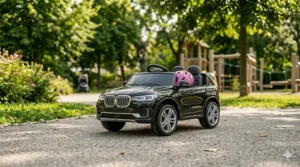
Every spin around the driveway delivers more than entertainment. Ride-ons secretly teach crucial skills while kids think they’re just playing.
Physical Development
Steering develops hand-eye coordination. Pedaling strengthens legs and teaches rhythmic motion. Wiggling builds core stability. Even pushing with feet engages multiple muscle groups and improves balance.
Regular physical activity during preschool years helps maintain a healthy weight, improves anxiety management, and fosters social skills. Research shows that motor skill development during the preschool years (ages 3-5) is critical, as fundamental neuroanatomic structures show significant development and myelination during this period. Thirty minutes on a tricycle counts as meaningful exercise, especially when kids are having too much fun to notice they’re working out.
Cognitive Growth
Ride-ons teach cause and effect. Turn the steering wheel left, the vehicle goes left. Push harder with feet, move faster. These basic physics lessons build logical thinking.
Navigation skills develop as kids learn to steer around obstacles, reverse when stuck, and judge distances. These spatial reasoning abilities transfer directly to academic skills like geometry and reading maps. Historically, toys have played a crucial role in child development, with research in developmental psychology showing that play with toys supports early cognitive development, including problem-solving, memory, and understanding cause and effect.
Social and Emotional Benefits
Taking turns on a two-seater Power Wheels teaches sharing and patience. Racing tricycles develops healthy competition. Even solo riding builds independence and confidence as kids master control of their vehicle.
Imaginative play explodes with ride-ons. The Cozy Coupe becomes a fire truck, taxi, delivery van, or race car depending on the day’s adventure. This creative flexibility supports cognitive flexibility and problem-solving.
Maintenance and Longevity: Making Toys Last
The difference between a ride-on that lasts one summer versus surviving multiple kids often comes down to simple maintenance habits.
Battery Care for Electric Vehicles
Follow charging instructions religiously. Power Wheels specifically requires 14-hour initial charge and 14-hour charges after each use (never exceeding 30 hours). Many parents use outlet timers to prevent overcharging.
Store batteries inside during winter in cold climates. Extreme cold kills battery capacity permanently. Before spring riding season, charge fully and test performance.
Cleaning and Storage
Hose down ride-ons after muddy adventures, but avoid soaking electronic components on battery vehicles. Let everything dry completely before storage to prevent mold and rust.
Store indoors when possible. UV exposure fades plastic and makes it brittle. If outdoor storage is your only option, use a cover and choose a shaded location.
Quick Fixes That Extend Life
Keep an eye on wheels and axles. Tighten loose screws before they vibrate out completely. A drop of lubricant on squeaky wheel axles takes thirty seconds and adds months of quiet operation.
Replace batteries when performance declines noticeably. Fighting a dying battery for weeks costs more frustration than a $50 replacement. For pedal vehicles, periodically check that pedals spin freely and seat adjustments still lock securely.
Top Brands Worth Your Trust
Not all manufacturers deserve your money. Some consistently deliver quality; others prioritize profit over performance.
Power Wheels (Fisher-Price)
The dominant brand in electric ride-ons for preschoolers, Power Wheels has earned reputation through decades of refinement. Their vehicles survive rough play, parts remain available for years, and customer service handles warranty issues professionally.
Expect to pay premium prices, but you’re buying proven engineering. The Dune Racer specifically has hundreds of thousands of satisfied customers spanning multiple generations.
Little Tikes
Specializing in durable plastic outdoor toys since 1970, Little Tikes understands preschooler needs. Their products withstand weather, crashes, and siblings. The Cozy Coupe alone has sold over 10 million units—that kind of volume doesn’t happen by accident.
Radio Flyer
Chicago-based Radio Flyer has built children’s ride-ons since 1917. Their tricycles combine nostalgia with modern safety features and engineering. The company maintains a strong commitment to quality, evidenced by their status as a Certified B Corporation focused on sustainability.
Step2
Another plastic outdoor toy specialist, Step2 focuses on toddler and preschool products. Their Whisper Ride series showcases thoughtful design—those quiet wheels weren’t an accident, they resulted from parent feedback and engineering innovation.
Where to Buy: Online vs. In-Store Strategy
Your shopping strategy should match your priorities and risk tolerance.
Why Buy Online (Amazon, Walmart.com, Target.com)
Selection crushes brick-and-mortar stores. You’ll find every color option, read hundreds of reviews, and compare prices across sellers instantly. Free shipping and easy returns remove the hassle of loading a bulky box in your car.
Sales and deals favor online shopping. Set price alerts for your target products and wait for the sweet spot. Amazon Prime Day, Black Friday, and January clearance sales regularly slash ride-on prices 30-50%.
Why Buy In-Store
You can inspect quality before purchasing. Check wheel sturdiness, test seat adjustments, and verify the vehicle size matches your expectations. Pictures online often don’t convey true dimensions.
Immediate possession matters if you need it today. When the birthday party is tomorrow and you forgot the gift, Target or Walmart saves the day. You also avoid porch pirates and delivery damage.
The Hybrid Approach
Research online, read reviews, watch YouTube unboxing and testing videos to narrow your choices. Visit stores to inspect finalists in person. Then buy wherever offers the best price, whether online or in-store.
Common Mistakes Parents Make (And How to Avoid Them)
Buying Too Advanced
Your 3-year-old seems coordinated, so you grab the 12V vehicle rated for ages 5-8. Two weeks later it sits unused because they can’t control it safely. Kids develop at different rates, but age ranges exist for good reason. When in doubt, choose the younger-skewing option.
Ignoring Terrain Realities
You live on a hilly property with gravel driveway but buy a low-power foot-powered vehicle. It becomes a storage-shed decoration by July. Match the toy to your actual environment, not idealized flat-driveway dreams.
Skipping Helmet Research
Any helmet is better than no helmet, but proper fit matters enormously for protection. Measure your child’s head circumference, choose a helmet within that size range, and adjust internal fitting system so it doesn’t rock forward or backward. Check fit every few months as kids grow quickly.
Assuming Assembly is Easy
“Some assembly required” ranges from “attach the steering wheel” to “rebuild a transmission.” Read reviews specifically mentioning assembly before buying. Power Wheels Dune Racer assembly takes 45-90 minutes depending on your skill level. The Wiggle Car arrives fully assembled. Plan accordingly.
FAQ: Your Burning Questions Answered
❓ What is the difference between 6V and 12V ride-on toys for preschoolers?
❓ How long does a typical battery charge last on electric ride-ons?
❓ Can ride-on toys be used indoors safely?
❓ At what age should kids transition from ride-ons to bicycles?
❓ How much weight can most preschool ride-on toys support?
Conclusion: Making Your Final Decision
You’ve made it through the research, compared the options, and considered your specific situation. Now comes decision time.
Here’s my honest recommendation: start with something simple and proven. The Little Tikes Cozy Coupe or Radio Flyer Red Rider Trike will serve 90% of families perfectly. They require no charging, minimal maintenance, and deliver years of active play.
Add an electric vehicle like the OLAKIDS motorcycle or Power Wheels Dune Racer when you’ve verified your child demonstrates good judgment and steering control. You’ll know they’re ready when they can follow basic traffic rules (stop at driveways, watch for obstacles) on their foot-powered vehicle.
The Wiggle Car makes an excellent supplement for any ride-on collection. It challenges kids in different ways, works indoors during bad weather, and costs less than taking the family to dinner.
Remember that the best ride on toys for 3-5 year olds aren’t necessarily the most expensive or feature-packed. The best one is whichever gets your child outside, moving, laughing, and begging to ride again tomorrow. Sometimes that’s a simple red tricycle. Sometimes it’s a battery-powered dune racer. Usually it’s whichever matches your child’s personality and your family’s lifestyle.
Whatever you choose, here’s to watching them grow through mastering new wheels. That first solo ride around the block will come faster than you think.
Recommended for You
- Best Ride On Toys for 3 Year Old Girl: 7 Amazing Picks 2026
- 7 Best Ride On Toys for 3 Year Old Boy – 2026
- 7 Best Electric Ride On Toys for 3 Year Old 2026
Disclaimer: This article contains affiliate links. If you purchase products through these links, we may earn a small commission at no additional cost to you.
✨ Found this helpful? Share it with your friends! 💬🤗
