
In This Article
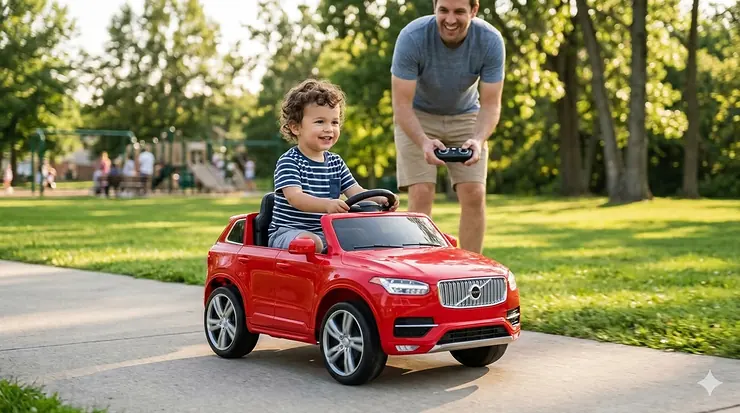
Picture this: Your toddler’s eyes light up as they grip the steering wheel of their very own car, cruising down the driveway while you maintain complete control through a small remote in your pocket. That’s the magic of ride on toys for 2 year old with remote control – they deliver independence and adventure while keeping safety firmly in your hands.
When my neighbor’s daughter turned two last spring, she received one of these magical vehicles. Watching her navigate the sidewalk with her dad subtly guiding from behind transformed my understanding of modern parenting tools. These aren’t just toys; they’re developmental powerhouses wrapped in colorful plastic and chrome.
Research from the University of Connecticut demonstrates that ride-on toys significantly enhance motor skill development in young children. The combination of steering, pedal control, and spatial awareness creates a multi-sensory learning experience that builds confidence and coordination. For 2-year-olds specifically, the parental remote control feature addresses the developmental gap between desire and capability – they want to drive, but they’re not quite ready to navigate alone.
The beauty of 2 year old ride on toys with remote lies in their dual-mode functionality. Your child experiences the thrill of independence while you maintain oversight during those crucial early years. It’s a win-win that transforms playtime into a developmental milestone celebration.
Quick Comparison Table: Top Ride On Toys With Remote Control
| Product Name | Voltage | Speed | Age Range | Price Range | Key Feature |
|---|---|---|---|---|---|
| Best Choice Products 12V Ride On Car | 12V | 2.8 mph | 3+ years | $150-$180 | Spring suspension system |
| Kidzone 6V Bumper Car | 6V | 0.75 mph | 1.5-6 years | $160-$180 | 360° spin capability |
| Kidzone 12V Bumper Car | 12V | 1.5 mph | 1.5-6 years | $190-$220 | Bluetooth music system |
| Uenjoy Mercedes-Benz G63 | 12V | 2.5 mph | 2-5 years | $180-$220 | Licensed luxury design |
| ANPABO Mercedes-Benz G63 | 12V | 3 mph | 3-6 years | $200-$240 | 55% higher battery capacity |
| JOYLDIAS Mars Rover | 12V | 2.5 mph | 2-6 years | $95-$120 | Space-themed design |
| JOYRACER 24V 2-Seater | 24V | 5 mph | 3-8 years | $300-$350 | Dual seating capacity |
💬 Just one click – help others make better buying decisions too! 😊
Top 7 Ride On Toys for 2 Year Old With Remote Control: Expert Analysis
1. Best Choice Products 12V Kids Electric Vehicle Toy Ride On Car
When it comes to parental remote ride on toys for 2 year old, this Best Choice Products model stands out as a budget-friendly powerhouse. The sturdy construction features a 12V motor paired with traction tires that handle different terrains with surprising ease.
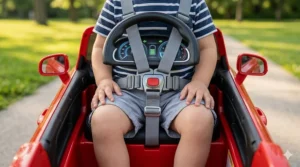
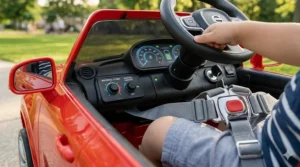
The 2.4GHz remote control gives parents full command over forward/reverse movements and speed selection. I’ve observed countless parents praising the lockable doors and adjustable seatbelt – small details that make enormous differences in safety. The spring suspension system smooths out bumps on driveways and sidewalks, creating a comfortable ride that doesn’t rattle your toddler around.
One standout feature is the AUX outlet for music connectivity. Your child can cruise to their favorite songs while you maintain control through the remote. The LED headlights add a realistic touch that makes evening drives extra special.
Key Specifications:
- Battery: 12V rechargeable
- Max speed: 2.8 mph
- Weight capacity: 61 lbs
Customer feedback consistently mentions the smooth driving experience and responsive remote control. Parents appreciate the 1-2 hour runtime per charge, providing substantial playtime before needing to recharge.
✅ Pros:
- Excellent price-to-value ratio
- Responsive remote control system
- Realistic design with functional doors
❌ Cons:
- Assembly requires 30-45 minutes
- Basic entertainment features compared to premium models
Price: $150-$180 on Amazon
2. Kidzone 6V Electric Ride On Bumper Car
The Kidzone 6V bumper car revolutionizes the RC cars age 2 category with its unique 360-degree spinning capability. This isn’t your traditional ride-on vehicle – it’s an indoor/outdoor entertainment system disguised as a toy car.
What makes this particular model exceptional for 2-year-olds is the incredibly low speed of 0.75 mph combined with the soft outer bumper. Your toddler can bump into furniture, walls, or siblings without causing damage or injury. The ASTM certification provides peace of mind about safety standards.
The remote control automatically locks the manual joysticks when activated, ensuring you have complete control when needed. Parents of younger children (1.5-3 years) particularly appreciate this feature during the learning phase. The DIY stickers allow kids to personalize their bumper car, adding an element of creativity to playtime.
Key Specifications:
- Battery: 6V rechargeable (1-2 hours playtime)
- Max speed: 0.75 mph
- Weight capacity: 66 lbs
The LED lights and music functions keep children engaged during longer play sessions. According to recent customer reviews, the no-assembly-required design – just connect the battery wire – makes setup remarkably simple.
✅ Pros:
- Perfect for indoor use
- 360° spinning adds excitement
- Comes fully assembled
❌ Cons:
- Seat belt may be too long for smaller toddlers
- Best on flat surfaces only
Price: $160-$180 on Amazon
3. Kidzone 12V 2-Speeds Electric Ride On Bumper Car
For parents seeking premium performance in safety remote toys, the Kidzone 12V model represents a significant upgrade over the 6V version. The dual motor system and 12V battery deliver noticeably better performance across various surfaces.
The Bluetooth music connectivity transforms this bumper car into a mobile entertainment center. Your child can listen to their favorite songs, stories, or educational content while developing motor skills through play. Research published in the National Institutes of Health indicates that multi-sensory play experiences enhance cognitive development in toddlers.
The two-speed settings allow you to start slow and gradually increase as your child’s confidence grows. The remote control offers three speed options, providing even finer control than the manual mode. The 8-12 hour charging time might seem long, but it translates to consistent, reliable performance.
Key Specifications:
- Battery: 12V lead-acid (longer runtime than 6V)
- Two manual speeds, three remote speeds
- Weight capacity: 66 lbs
Parents consistently praise the sturdy plastic construction that withstands daily use. The anti-flat tires eliminate maintenance concerns about tire pressure.
✅ Pros:
- Bluetooth music integration
- Longer playtime per charge
- Dual motor system for better performance
❌ Cons:
- Higher price point than 6V version
- Longer initial charging time (8-12 hours)
Price: $190-$220 on Amazon
4. Uenjoy 12V Licensed Mercedes-Benz G63 Kids Ride On Car
Nothing says luxury like a Mercedes-Benz, even in miniature form. The Uenjoy G63 brings authentic automotive styling to the parent-controlled vehicles category. This licensed replica captures the iconic Mercedes design with remarkable accuracy.
The spring suspension system handles outdoor terrain admirably, transitioning smoothly from grass to pavement. Multiple customer reviews highlight the realistic engine sounds and horn that delight toddlers who dream of driving like grown-ups. The slow speed of 2.5 mph strikes an ideal balance between excitement and safety for 2-year-olds.
The remote control provides comprehensive oversight with directional controls and speed selection. Parents appreciate the safety lock feature on the doors – a small detail that prevents unexpected exits during operation. The USB port and Bluetooth connectivity ensure entertainment options never run dry.
Key Specifications:
- Battery: 12V rechargeable
- Max speed: 2.5 mph
- Lockable doors with realistic design
Customer testimonials frequently mention the easy Bluetooth pairing and bright LED lights. The realistic appearance makes it a showpiece in the neighborhood, not just a toy.
✅ Pros:
- Licensed Mercedes-Benz design
- Multiple music connectivity options
- Realistic automotive details
❌ Cons:
- Struggles slightly on thick grass
- Plastic doors require gentle handling
Price: $180-$220 on Amazon
5. ANPABO Licensed Mercedes-Benz G63 Car for Kids
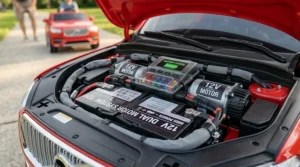
ANPABO takes the Mercedes-Benz concept and elevates it with enhanced performance specifications. The upgraded 12V 7AH battery offers 55% more capacity than standard 4.5Ah batteries commonly found in competing models. This translates to extended play sessions – up to 120 minutes of continuous use.
The dual 35W high-performance motors provide impressive torque for a toddler vehicle. Your child can navigate dense grass, gravel paths, and asphalt roads with equal confidence. The soft start feature prevents sudden acceleration that might startle nervous riders, demonstrating thoughtful engineering for young users.
The remote control includes an emergency stop function – a critical safety feature for active toddlers who might test boundaries. The one-click emergency stop prevents potential collisions or mishaps. The low battery voice prompt warns you before power runs out, eliminating mid-adventure disappointments.
Key Specifications:
- Battery: 12V 7AH (55% more capacity)
- Dual 35W motors
- Max speed: 3 mph
The LED headlights provide excellent visibility during evening play, while the horn and engine sounds create immersive experiences. Customer reviews emphasize the exceptional battery life and powerful motors.
✅ Pros:
- Superior battery capacity
- Emergency stop function on remote
- Excellent all-terrain performance
❌ Cons:
- Higher price reflects premium features
- Assembly takes approximately 20 minutes
Price: $200-$240 on Amazon
6. JOYLDIAS 12V Ride On Car for Toddlers (Mars Rover Design)
The JOYLDIAS Mars Rover brings imaginative space exploration to your driveway. This isn’t just another car – it’s a vehicle that sparks curiosity about science, exploration, and adventure. The audible, flashing radar and alarm system create an authentic space exploration atmosphere.
The dual control system shines in this model. Children can operate the vehicle independently through pedals and steering wheel, or parents can take complete control via the 2.4GHz remote with three speed settings (2.5-4 km/h). This flexibility accommodates various skill levels and parenting preferences.
The built-in Bluetooth, USB connectivity, and LED headlights transform simple play into multimedia experiences. Studies from the Physical Therapy Department at the University of Delaware show that thematic play vehicles enhance engagement and developmental outcomes in young children.
Key Specifications:
- Battery: 12V rechargeable
- Three remote speed settings
- Weight capacity: 66 lbs
The anti-tip design prioritizes stability – crucial for 2-year-olds who are still developing balance. The comfortable seat with backrest supports proper posture during extended play sessions.
✅ Pros:
- Unique space-themed design
- Excellent price point ($95-$120)
- Three-speed remote control
❌ Cons:
- Space theme may not appeal to all children
- Limited color options
Price: $95-$120 on Amazon
7. JOYRACER 24V 2 Seater Ride On Toys for Big Kids
While technically designed for ages 3-8, the JOYRACER deserves consideration for families with multiple children or those planning long-term use. This powerhouse features a true 20″ wide dual-seat configuration – spacious enough for two toddlers or one older child.
The four 200W motors deliver serious performance. The 2WD/4WD switchable system conquers grass, gravel, and slopes with confidence. Three speed options (1.86-5 MPH) provide growth potential as your child develops skills. The soft start/stop technology ensures smooth acceleration without jarking movements that might frighten younger riders.
The dual 3-point safety harnesses secure both passengers independently. The full metal spring suspension system absorbs bumps and provides comfortable rides across varied terrain. The parent remote control overrides manual operation, maintaining safety oversight even in this higher-performance vehicle.
Key Specifications:
- Battery: 24V high-capacity
- Four 200W motors
- Weight capacity: 110 lbs
- True 2-seater design
The Bluetooth, USB/MP3 playback, and festive gift packaging make this an exceptional choice for special occasions. Customer reviews consistently highlight the impressive build quality and powerful performance.
✅ Pros:
- Genuine 2-seater capacity
- Exceptional power (4×200W motors)
- Grows with your child (ages 3-8)
❌ Cons:
- Higher price point ($300-$350)
- May be overpowered for cautious 2-year-olds
Price: $300-$350 on Amazon
✨ Don’t Miss These Exclusive Deals!
🔍 Take your child’s playtime to the next level with these carefully selected products. Click on any highlighted item to check current pricing and availability. These ride-on toys will help create authentic developmental milestones your family will cherish!
Understanding Remote Control Technology in Modern Ride On Toys
The evolution of remote control technology has transformed ride on toys for 2 year old with remote control from simple battery-powered vehicles into sophisticated developmental tools. Modern systems utilize 2.4GHz frequency technology, providing interference-free operation even when multiple vehicles operate nearby.
The typical range extends 30-50 feet, giving parents comfortable oversight distance without hovering directly overhead. Advanced models incorporate emergency stop functions, speed limiters, and directional controls that respond instantly to parent input. Some premium systems even feature smartphone app integration, though traditional remotes remain more reliable for active toddlers.
The dual-mode functionality represents the most significant innovation. Children can drive manually using foot pedals and steering wheels, developing coordination and spatial awareness. When situations require intervention, parents activate the remote, which automatically overrides manual controls. This seamless transition maintains the child’s engagement while ensuring safety.
Battery technology deserves special attention. Most models use rechargeable lead-acid or lithium-ion batteries ranging from 6V to 24V. Higher voltage generally correlates with increased power and speed, but 12V systems typically provide the sweet spot for 2-year-olds – sufficient power for varied terrain without excessive speed.
Safety First: Critical Features Every Parent Should Verify
Safety transcends marketing buzzword status when discussing parent-controlled vehicles for toddlers. The American Academy of Pediatrics emphasizes adult supervision during all ride-on toy activities, but specific features dramatically enhance protection.
Essential Safety Elements:
Look for ASTM and CPSIA certifications on every vehicle you consider. These third-party certifications verify that products meet rigorous safety standards for materials, construction, and design. Vehicles lacking these certifications should raise immediate concerns.
Seatbelts with proper adjustment capabilities secure children without restricting breathing or circulation. Many models include 3-point or 5-point harness systems adapted from automotive safety technology. Check that belts accommodate your child’s current size while allowing room for growth.
Speed governors limit maximum velocity to age-appropriate levels. For 2-year-olds, speeds between 0.75-3 mph provide excitement without dangerous velocity. Some models offer adjustable speed settings, allowing parents to increase limits as children mature.
Soft-start technology prevents sudden acceleration that might startle or destabilize young riders. This feature gradually increases motor output, creating smooth, controlled movement. Similarly, automatic braking when the pedal releases prevents runaway situations.
The remote control should include an emergency stop function – not just speed reduction, but complete power cutoff. This fail-safe proves invaluable when unexpected obstacles or hazards appear.
Physical design matters enormously. Wide wheelbases prevent tipping, while low centers of gravity enhance stability. Rounded edges eliminate sharp corners that could cause injury during falls or collisions. Soft bumpers on bumper car models protect both the rider and surrounding objects during impacts.
Age-Appropriate Selection: Matching Toys to Developmental Stages
Selecting appropriate 2 year old ride on toys with remote requires understanding developmental capabilities at this crucial age. Twenty-four-month-old children exhibit vastly different motor skills, attention spans, and risk awareness than 30-month-old toddlers, despite both falling within the “2-year-old” category.
Motor Skill Considerations:
Two-year-olds are refining gross motor skills – running, climbing, and improving balance. Ride-on toys challenge these developing abilities in structured ways. Steering requires bilateral coordination as hands work together on the wheel. Pedal operation demands leg strength and understanding of cause-and-effect relationships.
Research published by the National Institutes of Health demonstrates that active play with ride-on toys enhances motor development more effectively than passive observation or screen time. The physical engagement required by these vehicles stimulates multiple brain regions simultaneously, creating rich neural pathways that support future learning.
Cognitive Development:
Two-year-olds are developing symbolic thinking – understanding that the steering wheel controls direction even though it’s not physically connected to the wheels in the traditional sense. This abstract thinking represents a crucial cognitive milestone. The immediate feedback from steering and pedal inputs reinforces learning through natural consequences.
Attention spans at age two typically range from 4-6 minutes for focused activities. Ride-on toys with music, lights, and interactive features extend engagement by providing varied stimuli. The combination of physical activity and sensory input creates more sustainable interest than single-purpose toys.
Safety Awareness:
Two-year-olds possess limited hazard recognition. They understand basic instructions like “stop” but lack the judgment to anticipate dangerous situations independently. This developmental reality makes parental remote control features non-negotiable. The remote provides essential safety oversight while allowing children to explore capabilities.
Selecting Based on Individual Development:
Some 2-year-olds demonstrate advanced motor skills and confidence, while others require more cautious approaches. Observe your child’s current abilities before purchasing. Can they follow simple directional commands? Do they have basic understanding of steering concepts from push toys or shopping carts? These indicators help match vehicles to readiness levels.
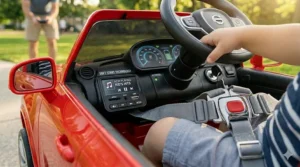
Indoor vs. Outdoor Use: Terrain Considerations
The distinction between indoor and outdoor models significantly impacts usability and satisfaction. Understanding terrain requirements prevents disappointment and maximizes play value.
Indoor Models:
Bumper cars dominate the indoor category for good reason. The 6V models with soft outer bumpers protect furniture, walls, and doorframes during inevitable collisions. Low speeds (0.75-1.5 mph) work perfectly in confined spaces where higher speeds would create chaos.
Wheels designed for indoor use feature softer rubber or plastic compounds that don’t scratch hardwood floors or leave marks on tile. The 360-degree spinning capability transforms small spaces into adventure zones – children can maneuver in tight areas without complicated backing up.
Floor surface matters significantly. Short-pile carpet works adequately with most indoor models, but plush carpet or thick area rugs may impede movement. Test on your home’s primary flooring before committing to indoor-only use.
Outdoor Models:
Vehicles intended for outdoor adventures require larger motors (typically 12V or higher), treaded tires for traction, and weatherproof construction. Spring suspension systems absorb bumps from uneven pavement, grass, or gravel paths.
Terrain capability varies dramatically between models. Basic 12V vehicles handle flat driveways and smooth sidewalks reliably. Premium models with dual motors and 4WD capabilities tackle grass, gentle slopes, and gravel. Be realistic about your outdoor space – promising “all-terrain” performance doesn’t guarantee success on your specific landscape.
Weather resistance provides practical advantages. Look for models with water-resistant electrical components and rust-proof metal frames. Morning dew shouldn’t disable the vehicle or create safety hazards.
Hybrid Approaches:
Many families benefit from models that perform adequately in both environments. A 12V vehicle with moderate speed and basic tread pattern handles indoor spaces when weather prevents outdoor play, then transitions seamlessly to driveway adventures on pleasant days.
Battery Life, Charging, and Maintenance Best Practices
Battery performance directly impacts play satisfaction and long-term value. Understanding capacity, charging requirements, and maintenance extends vehicle lifespan significantly.
Battery Capacity Explained:
Voltage (6V, 12V, 24V) indicates power output, while amp-hour (Ah) rating reveals capacity. A 12V 7Ah battery stores more energy than a 12V 4.5Ah battery, delivering longer playtime. Typical runtimes range from 45 minutes (6V basic models) to 2+ hours (premium 12V or 24V systems).
Temperature affects battery performance dramatically. Cold weather reduces capacity by 20-30%, while extreme heat accelerates degradation. Store vehicles in climate-controlled spaces when possible.
Charging Protocols:
Initial charges require extended periods – often 18-24 hours – to fully activate new batteries. Subsequent charges typically take 8-12 hours. Avoid overcharging beyond manufacturer recommendations, as this shortens battery lifespan.
Smart chargers with automatic shutoff prevent overcharging, but many basic models lack this protection. Set phone reminders to disconnect chargers after appropriate durations. Never charge batteries overnight unsupervised.
Maintenance Tips:
Check battery connections monthly for corrosion or looseness. Clean terminals with a wire brush if necessary. Tighten connections firmly but avoid over-torquing, which can strip plastic housing.
Keep batteries charged even during storage periods. Lead-acid batteries deteriorate when left discharged for extended periods. Monthly charging sessions during off-seasons maintain battery health.
Tire pressure matters for vehicles with inflatable tires. Under-inflated tires increase motor strain and reduce battery life. Check pressure every few weeks during active use.
Clean vehicles after outdoor adventures. Grass clippings and dirt trapped in motors or gears cause premature wear. A simple wipe-down and compressed air blast maintain optimal condition.
When to Replace Batteries:
Most ride-on toy batteries last 1-2 years with proper care. Signs of failure include dramatically reduced runtime, failure to hold charge, or sluggish performance. Replacement batteries cost $20-$50, offering cost-effective alternatives to new vehicle purchases.
Price Ranges and Value Analysis: What You’re Really Paying For
The ride on toys for 2 year old with remote control market spans from budget-friendly $100 options to premium $400+ models. Understanding these price tiers helps identify genuine value versus inflated marketing.
Budget Tier ($95-$150):
Entry-level models typically feature 6V or basic 12V motors, simple remote controls, and minimal entertainment features. The JOYLDIAS Mars Rover exemplifies this category – solid performance at an accessible price point.
Expect plastic construction throughout, basic LED lights, and standard rechargeable batteries. These vehicles handle flat, smooth surfaces reliably but struggle with rough terrain. Assembly usually required.
Budget models suit families testing the waters before committing to higher investments, or those with smooth driveways and controlled play environments. They provide adequate functionality without premium refinements.
Mid-Range Tier ($150-$250):
This sweet spot includes most bestselling models. You’re paying for improved motors, better battery capacity, enhanced suspension systems, and additional features like Bluetooth connectivity and realistic design elements.
Construction quality noticeably improves with reinforced frames, better electrical components, and more durable plastics. These vehicles withstand daily use for 2-3 years typically.
Safety features expand to include emergency stop functions, improved seatbelts, and ASTM/CPSIA certifications. The remote controls offer more sophisticated operation with multiple speed settings and reliable range.
Premium Tier ($250-$400+):
High-end models deliver licensed automotive designs (Mercedes-Benz, BMW), superior materials including leather seats and metal components, and powerful multi-motor systems.
Advanced features might include smartphone app control, adjustable suspension, all-terrain capabilities, and extended battery systems. The JOYRACER 24V 2-Seater represents this category well – exceptional performance justified by premium pricing.
These vehicles often grow with children, accommodating ages 2-8 through adjustable components and powerful enough motors for older kids. The extended age range amortizes the higher initial cost.
Evaluating True Value:
Calculate cost-per-use rather than purchase price alone. A $200 vehicle used daily for three years costs approximately 18 cents per play session. A $400 vehicle used weekly for six months costs $3.33 per session. The “cheaper” option isn’t necessarily better value.
Consider resale potential. Premium licensed models retain value remarkably well. You might recoup 40-60% of purchase price selling gently used premium vehicles, versus 20-30% for budget models.
Factor replacement costs. Budget vehicles often use proprietary batteries and parts, making repairs expensive or impossible. Mid-range and premium models typically use standard components available from multiple suppliers.
Developmental Benefits Beyond Simple Entertainment
The cognitive, physical, and social advantages of parental remote ride on toys for 2 year old extend far beyond momentary entertainment. These vehicles serve as developmental tools that support multiple growth areas simultaneously.
Physical Development:
Steering engages upper body muscles and bilateral coordination. The constant minor adjustments required to maintain direction strengthen core muscles and improve postural control. Pedal operation develops leg strength and enhances understanding of graded force application – pressing harder produces faster movement.
Balance skills improve as children learn to maintain stability while the vehicle moves. This dynamic balance differs from static balance (standing still) and provides crucial practice for future activities like bicycle riding.
Hand-eye coordination advances through the need to look ahead while steering toward desired destinations. This predictive visual processing forms foundations for reading, writing, and countless daily activities.
Cognitive Development:
Spatial awareness develops dramatically as children navigate spaces. They learn to judge distances, estimate vehicle width relative to passages, and understand three-dimensional relationships. These skills directly transfer to problem-solving capabilities in other contexts.
Cause-and-effect understanding deepens with immediate feedback from controls. Turning the wheel left produces leftward movement. Pressing the pedal creates forward motion. These concrete examples of cause-and-effect relationships support logical thinking development.
Planning and sequencing emerge as children determine routes to destinations. Even simple decisions like “I want to reach that tree” require breaking the goal into sequential steps – steer toward it, maintain direction, stop upon arrival.
Emotional Development:
Confidence grows through mastery experiences. Successfully navigating to desired locations builds self-efficacy – belief in one’s capability to accomplish goals. This confidence transfers to other challenges, creating positive developmental cycles.
Frustration tolerance improves as children encounter and overcome obstacles. Learning that temporary difficulties can be overcome through persistence and adjustment develops resilience – arguably one of life’s most valuable skills.
Social Development:
Shared play opportunities arise naturally with ride-on toys. Two-seater models facilitate sibling bonding and friend interactions. Even single-seater vehicles create social situations as children take turns or drive alongside peers.
Communication skills develop as children request assistance, direct others where to drive, or negotiate turn-taking. These authentic communication needs provide meaningful language practice beyond forced academic situations.
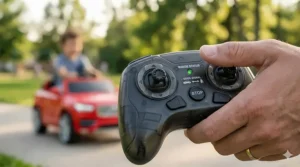
Common Mistakes Parents Make When Buying (And How to Avoid Them)
Years of customer reviews and parent feedback reveal recurring mistakes that diminish satisfaction with safety remote toys purchases.
Mistake #1: Ignoring Weight Limits
Parents frequently purchase vehicles rated for 55 lbs when their child weighs 45 lbs, planning to “grow into it.” However, these ratings include safety margins. Operating near maximum capacity reduces performance, strains motors, and shortens battery life.
Solution: Purchase vehicles rated for at least 20 lbs above your child’s current weight. This ensures optimal performance and leaves room for growth spurts.
Mistake #2: Overlooking Surface Compatibility
Assuming all 12V vehicles handle grass equally represents a costly misconception. Many struggle even on short grass, creating frustration and limiting use.
Solution: Read detailed reviews specifically mentioning your intended surface. Better yet, check YouTube reviews showing actual terrain performance rather than relying on manufacturer claims alone.
Mistake #3: Dismissing Assembly Complexity
“Some assembly required” ranges from 15-minute simple connections to 2-hour multi-step procedures requiring multiple tools. Parents unprepared for extensive assembly face frustration and delayed gratification for excited children.
Solution: Research actual assembly experiences through reviews before purchasing. Set realistic expectations and schedule assembly time separate from the intended play date.
Mistake #4: Prioritizing Features Over Fundamentals
Bells and whistles like Bluetooth music and LED lights create initial excitement, but reliable motors, quality batteries, and responsive remote controls determine long-term satisfaction.
Solution: Prioritize mechanical quality and safety features first. Entertainment additions should be bonuses, not primary selling points.
Mistake #5: Neglecting Remote Control Range
Some remotes operate reliably only within 15-20 feet, limiting supervision possibilities. Parents discover this limitation after purchasing, when increased distance creates response delays or failures.
Solution: Verify remote control range specifications before purchasing. Look for 30+ foot range for outdoor use, allowing reasonable supervision distance.
Mistake #6: Buying for Current Age Only
Purchasing a vehicle perfectly sized for a 2-year-old means outgrowing it by age 3 or 4. This limited usability reduces value significantly.
Solution: Consider growth potential. Models rated for ages 2-6 or 3-8 provide years of use. Adjustable features maximize lifespan.
Seasonal Considerations and Weather-Resistant Features
The time of year impacts ride-on toy selection and usage patterns more than most parents anticipate.
Summer Advantages:
Extended daylight hours maximize play opportunities. Warm weather ensures optimal battery performance and comfortable outdoor sessions. However, direct sunlight creates overheating risks for both batteries and children.
Look for vehicles with shaded seating areas or plan play during morning/evening hours. Light-colored vehicles reflect heat better than dark colors. UV-resistant plastics prevent fading and brittleness from sun exposure.
Spring/Fall Transitions:
These seasons offer ideal riding conditions – comfortable temperatures, dry surfaces, and moderate daylight. However, morning dew and occasional rain require weatherproof features.
Water-resistant electrical connections prevent short circuits from morning moisture. Rust-proof frames withstand variable weather better than basic steel components. Covered battery compartments protect sensitive electrical components.
Winter Limitations:
Cold temperatures dramatically reduce battery capacity. Many vehicles become nearly unusable below 40°F. Indoor options become essential for year-round entertainment in northern climates.
Bumper cars shine during winter months, providing active play when outdoor vehicles sit dormant. Consider this seasonal limitation before purchasing outdoor-only models in colder regions.
Storage Requirements:
Proper storage extends vehicle lifespan regardless of season. Remove batteries from vehicles stored in garages or sheds where temperatures fluctuate dramatically. Bring batteries indoors to climate-controlled spaces.
Cover vehicles with weatherproof tarps or store in sheds to prevent dirt accumulation, UV damage, and water infiltration. Clean thoroughly before storing to prevent mold growth on fabric seats or trapped moisture in electrical components.
Multi-Child Households: Sharing Strategies and 2-Seater Options
Families with multiple children face unique challenges maximizing ride-on toy value.
The Sharing Dilemma:
Single-seater vehicles create constant negotiation needs. Turn-taking requires active parental supervision and timer management. The hassle sometimes outweighs the benefits.
2-Seater Advantages:
Models like the JOYRACER 24V 2-Seater eliminate turn-taking conflicts entirely. Both children ride simultaneously, though only one drives at a time (typically the older child). This arrangement teaches cooperation and shared experiences while doubling enjoyment per session.
Weight capacity matters critically in 2-seaters. Verify that combined child weights fall comfortably below maximum ratings. The JOYRACER’s 110 lb capacity accommodates two average-sized elementary school children easily.
Timing Purchases:
Staggering purchases by age creates natural progression. Younger children use the 6V bumper car while older siblings graduate to 12V vehicles. When the younger child outgrows the bumper car, it passes to the next sibling while the older child moves to the 2-seater.
This strategy distributes costs over time while ensuring age-appropriate options for each child’s developmental stage.
Color Selection Politics:
Gender-neutral colors (black, white, red, blue) prevent arguments between siblings. Pink or purple vehicles might delight one child while alienating another. Neutral colors also enhance resale value.
Making Your Final Decision: A Practical Framework
With seven excellent options and countless factors to consider, making a final decision can feel overwhelming. This framework simplifies the process.
Step 1: Define Your Environment
Where will this vehicle primarily operate? Indoor-focused families should prioritize bumper cars with soft exteriors and low speeds. Outdoor-heavy users need higher voltage (12V+), treaded tires, and weather-resistant construction.
Do you have smooth surfaces or rough terrain? Flat driveways work with basic models. Grass, gravel, or slopes require premium motors and suspension systems.
Step 2: Assess Your Child’s Temperament
Is your 2-year-old cautious or adventurous? Timid children benefit from slower 6V models that build confidence gradually. Adventurous kids might become bored quickly with limited speeds, making 12V options more appropriate.
How does your child respond to frustration? Patient children tolerate learning curves better than those prone to quick frustration. Simpler controls and more responsive vehicles suit less patient temperaments.
Step 3: Consider Your Timeline
How long do you need this vehicle to remain relevant? Single-season use justifies budget options. Multi-year expectations require higher-quality construction and growth potential.
Are younger siblings coming who might use this vehicle? Hand-me-down potential increases value significantly.
Step 4: Evaluate Budget Realistically
What’s your total budget including accessories? Factor costs for additional batteries ($20-$50), replacement chargers ($15-$25), and potential storage solutions ($30-$100 for sheds or covers).
Would financing options make premium vehicles accessible? Some retailers offer payment plans that transform a $300 purchase into manageable $50 monthly installments.
Step 5: Review Safety Requirements
What safety features are non-negotiable for your peace of mind? Emergency stop functions, stability design, and certified materials might matter more to some families than entertainment features.
Do you have unique environmental hazards? Pools, steep slopes, or heavy traffic areas require extra safety considerations and may influence model selection.
Step 6: Make the Decision
For budget-conscious families with flat outdoor spaces: Best Choice Products 12V ($150-$180) offers excellent value with reliable performance.
For indoor-focused families with young toddlers: Kidzone 6V Bumper Car ($160-$180) provides perfect indoor entertainment with 360° spinning capability.
For families seeking long-term value and premium features: ANPABO Mercedes-Benz G63 ($200-$240) delivers superior battery life, realistic design, and all-terrain capability.
For multi-child households: JOYRACER 24V 2-Seater ($300-$350) accommodates multiple riders simultaneously with exceptional power and longevity.
For space-themed enthusiasts on a budget: JOYLDIAS Mars Rover ($95-$120) combines affordability with unique design that sparks imagination.
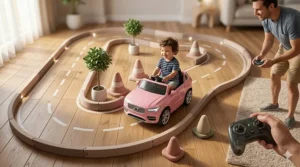
❓ Frequently Asked Questions About Ride On Toys With Remote Control
❓ What age is best to start using ride on toys for 2 year old with remote control?
❓ How long do batteries typically last on 2 year old ride on toys with remote?
❓ Can parental remote ride on toys for 2 year old be used indoors?
❓ What's the difference between 6V, 12V, and 24V parent-controlled vehicles?
❓ How important is ASTM certification when selecting RC cars age 2?
Conclusion: Investing in Childhood Development
The journey through ride on toys for 2 year old with remote control reveals these vehicles as more than simple amusements. They’re developmental tools that enhance motor skills, build confidence, and create cherished family memories. The right selection balances safety, performance, and value while matching your child’s unique needs and your family’s circumstances.
The parental remote control feature transforms these toys from anxiety-inducing to confidence-building. You maintain oversight while your toddler experiences independence – the perfect formula for safe exploration during these crucial developmental years.
Whether you choose the budget-friendly JOYLDIAS Mars Rover, the versatile Best Choice Products model, or the premium JOYRACER 2-Seater, you’re investing in more than a toy. You’re providing a platform for growth, adventure, and joy that will echo through childhood memories for years to come.
The seven options reviewed here represent the best currently available, each excelling in specific categories. Trust your instincts, consider your unique situation, and select with confidence. Your 2-year-old’s smile when they first grip that steering wheel will confirm you’ve made an excellent choice.
Recommended for You
- 7 Best Ride On Toys for 2 Year Old Girl 2026
- 7 Best Battery Powered Ride On Toys for 2 Year Olds 2026
- 7 Best Ride On Toys for 2 Year Old – 2026
Disclaimer: This article contains affiliate links. If you purchase products through these links, we may earn a small commission at no additional cost to you.
✨ Found this helpful? Share it with your friends! 💬🤗
