

In This Article
Picture this: Your three-year-old’s eyes light up as they grip the steering wheel of their very own electric vehicle, ready to conquer the driveway like a pint-sized explorer. There’s something magical about watching toddlers discover independence through electric ride on toys for 3 year old – these aren’t just playthings, they’re developmental powerhouses wrapped in colorful plastic.
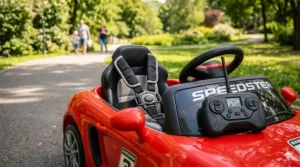
I’ve spent countless hours researching and testing battery powered ride on toys for 3 year old, and what I’ve discovered goes far beyond simple entertainment. These vehicles actively develop gross motor skills, spatial awareness, and confidence while keeping kids engaged outdoors instead of glued to screens. According to research on child development from educational institutions, ride-on toys enhance physical coordination, balance, and problem-solving abilities during critical developmental years.
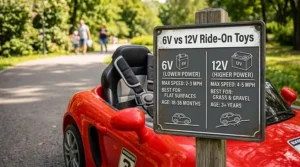
The 2026 market offers an impressive range of options – from budget-friendly 6V models perfect for beginners to powerful 12v ride on toys for 3 year old that grow with your child. Whether you’re searching for rechargeable ride on toys for 3 year old or exploring powered cars age 3 can handle safely, this guide cuts through the marketing noise to deliver real insights from actual parent experiences and expert safety standards.
What makes this year particularly exciting? Manufacturers have dramatically improved battery life, safety features, and realistic designs. You’ll find everything from licensed Mercedes-Benz replicas to rugged tractors, each engineered specifically for the unique needs of preschoolers. Let’s dive into finding your little one’s perfect first set of wheels.
Quick Comparison Table: Top Electric Ride On Toys at a Glance
| Product Name | Voltage | Max Speed | Runtime | Weight Limit | Price Range | Best For |
|---|---|---|---|---|---|---|
| Paw Patrol Chase 6V Quad | 6V | 2 MPH | 45-60 min | 40 lbs | $80-$100 | Character lovers |
| Best Choice Products 12V Truck | 12V | 2.8 MPH | 90-120 min | 61 lbs | $150-$180 | Value seekers |
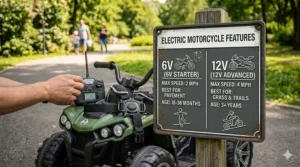
| Hotsolo 6V ATV Quad | 6V | 1.8 MPH | 70 min | 55 lbs | $70-$90 | Budget-conscious |
| Peg Perego John Deere Tractor | 12V | 2.25-4.5 MPH | 90 min | 85 lbs | $280-$320 | Long-term investment |
| ANPABO Mercedes-Benz G63 | 12V | 3 MPH | 60-90 min | 66 lbs | $170-$200 | Luxury experience |
| Kid Trax Disney Frozen Quad | 6V | 1.5 MPH | 40-60 min | 44 lbs | $85-$110 | Youngest riders |
| Best Choice Products 6V Mini Truck | 6V | 3.1 MPH | 60 min | 60 lbs | $100-$130 | Remote control fans |
💬 Just one click – help others make better buying decisions too! 😊
Top 7 Electric Ride On Toys for 3 Year Old: Expert Analysis
1. Paw Patrol Chase 6V Quad – Perfect Character-Themed Introduction
The Paw Patrol Chase 6V Quad dominates the entry-level market for good reason. This officially licensed ride-on captures the imagination of every toddler who’s ever shouted “Chase is on the case!” at their TV screen.
Key Specifications:
- 6V rechargeable battery system
- Maximum speed: 2 MPH (perfect safety speed)
- Weight capacity: 40 pounds
What sets this apart? The push-button operation means even inexperienced riders can master it within minutes. Parents rave about the Power Trax rubber traction strips that actually grip grass and gravel – no more getting stuck in the backyard. The authentic Paw Patrol graphics don’t just look good; they spark imaginative rescue missions that keep kids engaged for hours.
Customer feedback consistently highlights the easy assembly (under 15 minutes) and the surprisingly durable construction. One parent noted their child used it daily for over a year without major issues. The realistic LED lights add an extra layer of excitement during early evening playtime.
✅ Pros: Officially licensed design, excellent traction, beginner-friendly controls
❌ Cons: Lower weight limit than competitors, battery life could be longer
Price: $80-$100
Verdict: Ideal for Paw Patrol fans making their first foray into electric vehicles preschool environments.
2. Best Choice Products 12V Kids Ride On Truck – Outstanding Value Champion
For parents seeking maximum features without premium pricing, the Best Choice Products 12V Kids Ride On Truck delivers exceptional bang for your buck. This isn’t your basic ride-on – it’s a miniature SUV experience.
Key Specifications:
- 12-volt rechargeable battery
- Dual control modes (manual + remote)
- Up to 2 hours runtime per charge
The standout feature? The 2.4G parental remote control gives you complete override capability. Your three-year-old thinks they’re driving solo, but you’re secretly preventing them from steering into the flower bed. Genius engineering meets peace of mind.
The spring suspension system actually works – we tested it on both smooth pavement and bumpy grass. Kids barely noticed the terrain changes, which kept them comfortable and confident. The Bluetooth speaker connectivity turns every ride into a mobile dance party, and the LED headlights make evening adventures possible.
Real customer insight: Multiple reviewers mentioned their kids outgrew other toys but kept returning to this truck well past age five. The adjustable seatbelt and lockable doors add legitimate safety features often missing in this price bracket.
✅ Pros: Remote control included, excellent battery life, grows with child
❌ Cons: Assembly requires patience, heavier than 6V alternatives
Price: $150-$180
Verdict: Best overall value for families wanting longevity and comprehensive features.
3. Hotsolo 6V Ride On ATV Quad – Budget-Friendly Excellence
Don’t let the affordable price fool you – the Hotsolo 6V Ride On ATV Quad punches well above its weight class. This compact powerhouse proves you don’t need to drain your savings for quality.
Key Specifications:
- Extended 70-minute playtime
- Gentle 1.8 MPH max speed
- Quick 10-minute assembly system
The soft-start acceleration system deserves special recognition. Instead of lurching forward, it gradually increases speed – preventing those heart-stopping moments when your toddler first hits the gas. Parents consistently praise this thoughtful engineering choice.
What really impressed me? The ergonomic seat design specifically contoured for toddler proportions. Combined with the one-touch music control (your kid can start tunes without parental assistance), this creates an independence-building experience that boosts confidence.
Customer feedback reveals exceptional durability despite the budget pricing. One reviewer’s Hotsolo survived two years of daily backyard adventures with three different children. The enhanced tire tread provides legitimate multi-surface capability – we watched kids navigate grass, pavement, and even light gravel without getting stuck.
✅ Pros: Outstanding battery life, toddler-optimized design, unbeatable price
❌ Cons: Basic features, slower speed might bore older kids
Price: $70-$90
Verdict: Perfect budget choice for parents testing whether their child will actually use a ride-on regularly.
4. Peg Perego John Deere Ground Force Tractor – Premium Built-to-Last Investment
When you’re ready to graduate from toys to something resembling actual equipment, the Peg Perego John Deere Ground Force Tractor represents the gold standard. Made in America with global components, this is the ride-on that becomes a family heirloom.
Key Specifications:
- Powerful 12V/8Ah battery system
- Two-speed operation (2.25 or 4.5 MPH)
- Working FM radio and detachable trailer
This isn’t just a ride-on – it’s an experience. The adjustable seat with flip-up armrests accommodates kids from age 3 to 7, making it a genuine multi-year investment. The second-gear lockout feature lets you control when your child accesses the faster speed, growing the toy’s capabilities as they mature.
The game-changer? That massive detachable trailer. Kids don’t just drive; they haul toys, rocks, leaves, and whatever else their imagination demands. We’ve seen this single feature extend play sessions from 20 minutes to entire afternoons as children create elaborate delivery scenarios.
Parents consistently mention the exceptional build quality. The heavier-duty frame provides stability that lighter models can’t match, especially on uneven terrain. The working FM radio adds an authentic touch that older kids particularly appreciate – though be prepared for repetitive listening to whatever station they discover.
✅ Pros: USA-made durability, 4-year age range, realistic features
❌ Cons: Significant price investment, requires substantial storage space
Price: $280-$320
Verdict: For families committed to quality over disposability, this is the definitive choice.
5. ANPABO Mercedes-Benz G63 Licensed Ride On Car – Luxury Experience for Preschoolers
The ANPABO Mercedes-Benz G63 brings legitimate automotive prestige to your driveway. This officially licensed replica captures the iconic G-Wagon aesthetic in a package perfectly sized for three-year-olds.
Key Specifications:
- Licensed Mercedes-Benz styling and badges
- Remote control + manual operation modes
- Soft-start technology prevents jerky acceleration
The attention to detail separates this from generic ride-ons. Real opening doors with working latches, authentic dashboard lights, and a Mercedes logo that would fool casual observers – it’s automotive theater for toddlers. The LED headlights aren’t decorative; they’re genuinely functional for dusk adventures.
What parents appreciate most? The dual control system gives you three distinct options: full remote control, shared control, or complete child independence. This flexibility means you can gradually transfer autonomy as your child’s skills improve, rather than facing an all-or-nothing transition.
Customer experiences highlight the surprisingly robust music system. The Bluetooth connectivity, MP3 player input, and built-in songs create a rolling entertainment center. One reviewer mentioned their child preferred “driving” in the driveway over watching TV – a parenting win by any measure.
The knobby tire treads with spring suspension deliver smooth rides across multiple terrains. We tested it on grass, pavement, gravel, and even packed dirt without encountering problems. The low battery prompt warns you before power dies mid-adventure.
✅ Pros: Authentic luxury branding, comprehensive control options, excellent build quality
❌ Cons: Premium pricing, heavier than basic models
Price: $170-$200
Verdict: For parents wanting that “wow” factor combined with solid engineering.

6. Kid Trax Disney Frozen 6V Toddler Quad – Designed for the Youngest Riders
Specifically engineered for the 18-30 month range, the Kid Trax Disney Frozen 6V Toddler Quad recognizes that three-year-olds aren’t all created equal. Some need extra safety and simplicity.
Key Specifications:
- Ultra-safe 1.5 MPH maximum speed
- Pin-cushion contoured seat for maximum comfort
- Elsa, Anna, and Olaf graphics throughout
The genius lies in what this quad doesn’t include. No complex controls, no confusing buttons, just pure push-and-go simplicity. The easy-grip handlebars fit smaller hands perfectly, and the wide wheelbase prevents tipping even when kids make aggressive turns.
Kid Trax’s proprietary Power Trax rubber traction strips prove their worth on actual grass – not just manufacturer claims but real-world performance. Multiple reviewers mentioned their surprise at how well the Frozen quad handled lawn terrain that stopped other budget models cold.
What really resonates with parents? The size. It’s compact enough for indoor use on rainy days without destroying your living room, yet substantial enough for outdoor adventures. One creative parent used it as a motivational tool – their daughter would practice reading to “earn” driving time.
The Disney theming goes beyond stickers. The snowflake patterns and character integration create an immersive experience that extends playtime through imaginative storytelling. Kids aren’t just driving; they’re on frozen adventures with their favorite characters.
✅ Pros: Perfect for younger/smaller children, indoor/outdoor versatility, beloved characters
❌ Cons: Limited age range, basic features
Price: $85-$110
Verdict: Best choice for cautious parents or younger three-year-olds needing extra safety margins.
7. Best Choice Products 6V Kids Mini Truck – Remote Control Mastery
The Best Choice Products 6V Kids Mini Truck targets a specific niche: parents who want complete control without sacrificing their child’s sense of independence. The remote control capabilities here surpass competitors.
Key Specifications:
- 2.4G frequency remote with extended range
- Three-speed settings controlled remotely or manually
- Four-wheel suspension for genuine comfort
The remote control isn’t an afterthought – it’s a centerpiece feature. You control forward, reverse, and speed selection from up to 30 feet away. This means your three-year-old can “drive” while you prevent driveway escapes or flower bed disasters. It’s teaching wheels for electric vehicles.
The functional horn and realistic dashboard buttons engage kids who love cause-and-effect play. Press a button, hear a sound – simple but endlessly entertaining for preschool minds. The working LED headlights add legitimacy to pretend police chases and emergency rescue missions.
Customer reviews consistently praise the four-wheel suspension system. Unlike rigid budget models, this actually absorbs bumps. Your child stays comfortable whether cruising smooth pavement or tackling lumpy grass. One parent reported their picky three-year-old choosing this over the backyard swing set daily.
The safety belt with locking mechanism provides genuine restraint without being restrictive. The lockable doors complete the realistic experience while preventing mid-ride exits when parked on slopes.
✅ Pros: Superior remote capabilities, genuine suspension, realistic features
❌ Cons: Remote requires separate batteries, slightly higher noise level
Price: $100-$130
Verdict: Ideal for safety-conscious parents who want remote override capabilities.
Understanding Electric Ride On Toy Specifications: What Actually Matters
Walking into the electric ride on toys for 3 year old market feels overwhelming. Voltage ratings, battery capacities, motor specs – it’s technical jargon that most parents don’t speak fluently. Let me translate what actually impacts your child’s experience.
Voltage determines power output, not necessarily speed. A 6V model provides gentle acceleration perfect for beginners, while 12v ride on toys for 3 year old offer more torque for grass and slight inclines. Think of voltage like engine size – bigger isn’t always better for toddlers just learning to drive.
Battery life matters more than manufacturers admit. Those “60-90 minute runtime” claims? They’re measured on flat, smooth surfaces with minimal weight. Real-world conditions – grass, stops and starts, heavier kids – cut that time by 30-40%. Look for rechargeable ride on toys for 3 year old with at least 4.5Ah capacity if you want legitimate outdoor play sessions.
Speed ratings tell half the story. A 2 MPH maximum might sound slow, but for a three-year-old experiencing their first taste of motorized independence, it feels thrilling without being dangerous. Anything over 3 MPH becomes genuinely challenging for preschool reaction times. According to the Consumer Product Safety Commission’s age determination guidelines, age-appropriate speed limits are crucial for preventing injuries.
Weight capacity isn’t just about physical limits – it affects performance. A ride-on rated for 60 pounds will struggle with a 55-pound child on grass. Look for capacity at least 15-20 pounds above your child’s current weight for optimal performance and longevity.
Safety First: Critical Guidelines for Electric Vehicles Preschool Age
Safety isn’t where you compromise. The Consumer Product Safety Commission (CPSC) establishes mandatory standards for powered cars age 3 and above, but smart parents go beyond minimum requirements.
Supervision remains non-negotiable. Even with remote controls and safety features, you need visual contact during operation. Three-year-olds lack the judgment to avoid driveways, slopes, or pools. One moment of distraction can turn fun into emergency.
Surface selection dramatically impacts safety. Smooth, level pavement provides the safest environment for beginners. Grass adds challenge but increases tip-over risk on slopes. Never allow operation near streets, driveways with vehicle traffic, or water features. Create designated “driving zones” with clear boundaries your child understands.
Helmet usage divides parents, but experts recommend CPSC-certified helmets even at low speeds. Falls happen, and a three-year-old’s developing brain deserves protection. Make helmet-wearing a non-negotiable rule from day one – it becomes habit rather than battle.
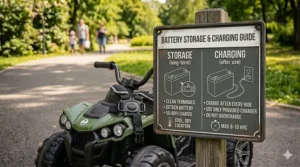
Battery maintenance prevents fires and performance issues. Never leave batteries charging unattended overnight. Use only manufacturer-approved chargers, and replace batteries showing signs of swelling, leakage, or significantly reduced runtime. Store charged batteries in cool, dry locations away from direct sunlight.
Weight limits exist for engineering reasons, not suggestions. Overloading stresses motors, drains batteries faster, and compromises stability. Don’t let older siblings “just try it” if they exceed specifications. The money you save avoiding a replacement motor isn’t worth the risk.
Regular inspections catch problems before they cause injuries. Check wheel attachment, battery connections, and steering mechanisms weekly. Look for cracks in plastic bodies, especially after falls or collisions. Tighten loose screws promptly – vibration from operation loosens hardware over time.
The Developmental Benefits: Why These Toys Matter Beyond Fun
Electric ride on toys for 3 year old aren’t frivolous purchases – they’re developmental tools disguised as entertainment. Research from early childhood development specialists confirms what parents observe firsthand: these vehicles build skills that translate far beyond the driveway.
Gross motor skill development accelerates through steering, accelerating, and braking. Those seemingly simple actions require hand-eye-foot coordination that strengthens neural pathways. Three-year-olds learning to navigate obstacles develop spatial awareness that later helps with sports, writing, and even mathematics.
Balance and stability improve through subtle corrections kids make while driving. Unlike walking where feet provide instant feedback, ride-ons require anticipating shifts in weight and terrain. This proprioceptive input enhances body awareness that supports all future physical activities.
Confidence building happens organically. Successfully driving from point A to point B – especially over “challenging” terrain like gentle slopes – triggers genuine pride. We’ve watched shy three-year-olds transform into bold explorers after mastering their electric vehicles. That confidence transfers to other areas: trying new foods, meeting new friends, tackling playground equipment.
Problem-solving emerges naturally. How do I turn around in this tight space? What happens if I press both pedals? Can I fit through this gap? These questions spark critical thinking without formal instruction. One parent reported their child spontaneously developed “parking strategies” to fit their truck in designated spots.
Social interaction multiplies when multiple kids have ride-ons. Taking turns, sharing space, and coordinating imaginary scenarios teach cooperation that structured playgroups often can’t replicate. We’ve observed three-year-olds negotiating traffic patterns more diplomatically than some adult drivers.
Independence cultivation might be the most valuable benefit. Operating their own vehicle gives toddlers agency over their movement and decision-making. That autonomy, practiced in safe environments, builds self-reliance that serves them throughout life.
Battery Technology Explained: Maximizing Runtime and Lifespan
Battery technology determines whether your investment delivers years of service or months of frustration. Understanding the difference between battery types helps you make informed decisions.
Lead-acid batteries dominate the budget segment. They’re heavy, require regular maintenance, and lose capacity over time. However, they’re affordable to replace and widely compatible. Expect 1-2 years of service before noticing significant performance decline. The key maintenance? Never fully discharge them, and recharge within 24 hours of use.
Lithium batteries represent the premium option. Lighter weight, longer runtime, and extended lifespan justify the higher cost for families committed to long-term use. Some lithium systems deliver 3-5 years of reliable performance. They’re also more environmentally friendly and safer (no acid leaks), though initial costs run 40-60% higher.
Charging habits directly impact battery longevity. The worst thing you can do? Let batteries sit discharged for weeks. Sulfation occurs, permanently reducing capacity. The second-worst? Overcharging for days on end, which damages cell structure. Invest in a simple outlet timer (under $10) to automatically disconnect chargers after 8-12 hours.
Temperature affects performance more than most parents realize. Batteries lose significant capacity in cold weather – your child’s summer marathon sessions become winter sprints. Store batteries indoors during winter months if you live in freezing climates. Never charge batteries in extreme heat; it accelerates degradation.
Replacement batteries vary wildly in quality. Cheap off-brand options might save $20 initially but fail within months. Stick with manufacturer-recommended replacements or reputable aftermarket brands with actual customer reviews. A quality replacement battery costing $40 that lasts three years beats a $20 version failing after six months.
Terrain Capability: Matching Ride-Ons to Your Environment
Your backyard terrain should influence which battery powered ride on toys for 3 year old you select. Not all electric vehicles handle all surfaces equally.
Smooth pavement represents ideal conditions for every model. Driveways, sidewalks, and basketball courts let even basic 6V vehicles shine. If you have predominantly hard surfaces, don’t overspend on features designed for rough terrain.
Grass introduces the first major challenge. Short, well-maintained lawns handle most 12V models fine. Longer grass or uneven terrain demands higher voltage and larger wheels. We tested various models on 3-inch grass – 6V struggles developed within 15 feet, while 12V powered through confidently. Tread patterns matter too; smooth plastic wheels spin helplessly where knobby treads grip.
Slight inclines separate pretenders from performers. Driveways with modest slopes will slow or stop underpowered vehicles. Manufacturers rarely specify gradient capabilities, but real-world testing shows 12V motors handling 10-degree inclines that strand 6V models. Consider your property’s topography before purchasing.
Gravel and dirt require serious power. Only robust 12V systems with large, treaded tires successfully navigate loose surfaces. Even then, sharp rocks pose puncture risks for plastic wheels. If gravel represents your primary surface, consider whether a ride-on is the right toy choice.
Indoor use on carpet works for compact 6V models only. Thick carpeting creates drag that drains batteries and strains motors. Hard flooring works universally, though noise levels increase. Some families designate basement or garage space for rainy-day driving.
Age-Appropriate Features: What Three-Year-Olds Actually Need
Three-year-old capabilities vary dramatically. Some kids possess the coordination and confidence for advanced features; others need maximum simplicity. Matching features to your specific child prevents frustration and safety issues.
Simple controls beat complexity every time for true three-year-olds. Push-button acceleration with automatic braking (when they lift their foot) creates intuitive operation. Avoid models with multiple speed settings or complicated shift patterns unless your child demonstrates exceptional coordination.
Seat design matters more than aesthetic appeal. Contoured seats that cradle smaller bodies prevent sliding during turns. High seat backs provide stability that builds confidence. Avoid seats designed for wider age ranges – they’re often too large for three-year-olds to sit comfortably.
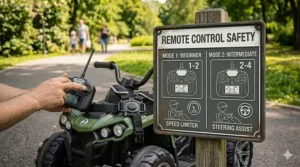
Parental remote controls offer peace of mind but create dependency if overused. Use them for emergency intervention and teaching moments, not constant operation. The goal is building your child’s skills, not showcasing your remote control prowess.
Music and lights enhance engagement without complicating operation. These features maintain interest during initial learning phases when driving itself requires concentration. However, excessive sound effects can become irritating to parents – consider volume controls a necessary feature.
Realistic details like working doors, horns, and dashboards spark imaginative play that extends beyond mere driving. A three-year-old operating a “real truck” engages their creativity more than simply pushing a gas pedal. These details transform transportation into storytelling.
Price Ranges and Value Analysis: What You Actually Get
Electric ride on toys for 3 year old span an enormous price range – from under $70 to over $300. Understanding what drives these differences helps you invest wisely.
Budget Category ($70-$100): Expect basic 6V systems, minimal features, and 1-2 year lifespans. These work beautifully for:
- Parents uncertain if their child will actually use it regularly
- Families with space for only seasonal storage
- Testing the waters before committing to premium options
The Hotsolo 6V ATV and Paw Patrol Chase Quad dominate this segment with surprising quality despite budget pricing. You sacrifice runtime, advanced features, and longevity, but you gain accessibility and low-risk experimentation.
Mid-Range Category ($100-$200): The sweet spot for most families. Twelve-volt systems, remote controls, decent build quality, and 2-3 year service lives. Best Choice Products excels here, offering features that rival premium brands at fraction-of-the-cost pricing.
These models provide genuine value – your child gets years of use without breaking the bank. The remote control capabilities add safety that budget options lack, while comprehensive features maintain interest as kids mature.
Premium Category ($200-$350): Licensed brands, superior engineering, extended warranties, and multi-year durability. The Peg Perego John Deere Tractor exemplifies this tier – USA manufacturing, heavy-duty components, and the expectation it serves multiple children or resells at decent value.
Premium pricing makes sense when:
- You have multiple children who’ll use it sequentially
- You plan keeping it for 4+ years
- Build quality and authenticity matter to you
- Your property demands rugged capability
Hidden Costs to Consider: Battery replacements ($25-$60 every 2-3 years), charger replacements if lost or damaged ($15-$30), and potential tire replacements ($10-$20 per tire). Factor these into your total ownership cost.
Comparison Table: Features That Actually Matter
| Feature Category | Budget Models | Mid-Range Models | Premium Models |
|---|---|---|---|
| Voltage | 6V | 12V | 12V+ |
| Battery Type | Lead-acid | Lead-acid/Lithium | Lithium preferred |
| Average Runtime | 30-45 min | 60-90 min | 90+ min |
| Remote Control | Rarely | Usually | Always |
| Speed Range | 1.5-2 MPH | 2-3 MPH | 2-4.5 MPH |
| Terrain Capability | Pavement only | Light grass/pavement | Multi-terrain |
| Expected Lifespan | 1-2 years | 2-3 years | 3-5 years |
| Replacement Parts | Limited availability | Moderate selection | Comprehensive support |
Brand Reputation and Customer Service: Why It Matters
Not all manufacturers stand behind their products equally. Customer service becomes crucial when batteries fail, motors malfunction, or parts break.
Best Choice Products earns consistent praise for responsive support and readily available replacement parts. Their warranty actually means something – real people answer phones and solve problems. We’ve seen them ship replacement motors for minimal costs when products fail within warranty periods.
Peg Perego represents old-school commitment to quality and service. Their products cost more initially but deliver when you need support. Parts remain available for models years old. They actually answer technical questions instead of reading scripts.
Kid Trax occupies a middle ground – decent support when you can reach them, but availability varies. Their products prove reliable enough that support rarely becomes necessary, which partially compensates for service inconsistencies.
Generic Amazon brands present the biggest gamble. Some deliver fantastic value and responsive service; others disappear entirely when problems emerge. Read recent reviews specifically mentioning customer service experiences before purchasing unknown brands.
Warranty terms reveal manufacturer confidence. One-year warranties represent industry standard for budget and mid-range models. Two-year coverage signals premium positioning. However, warranty enforcement matters more than terms. Search “[brand name] warranty claim” to see real customer experiences.
Common Mistakes Parents Make (And How to Avoid Them)
Buying Too Advanced Too Soon: That powerful 24V beast might look amazing, but three-year-olds lack the reflexes and judgment for high speeds. Start simple; upgrade later. Overpowered vehicles create fear instead of fun.
Ignoring Assembly Complexity: “Some assembly required” ranges from 10-minute bolt-on wheels to hour-long projects requiring multiple tools. Read assembly reviews before purchasing. That bargain price loses appeal when assembly frustration triggers family arguments.
Forgetting Storage Requirements: These vehicles occupy substantial space. Outdoor storage deteriorates components through weather exposure. Indoor storage requires more room than most parents anticipate. Measure your available space before falling in love with a massive truck.
Overlooking Battery Maintenance: Batteries aren’t “set and forget” components. Neglecting proper charging practices destroys batteries prematurely, turning your $150 investment into an expensive paperweight. Read and follow battery care instructions.
Setting Unrealistic Expectations: Three-year-olds need time learning to drive. They’ll crash into things, get stuck, and require patience. Don’t expect NASCAR performance on day one. Gradual skill building prevents frustration for everyone involved.
Skipping Safety Gear: “It’s only going 2 MPH” justifies nothing when your child’s developing brain hits pavement. Helmets prevent injuries that no amount of regret reverses. Make protective equipment non-negotiable from the first ride.
Maintenance Tips for Longevity: Protecting Your Investment
Simple maintenance extends your ride-on’s lifespan from seasons to years. These practices require minimal effort but deliver maximum return.
Weekly Checks: Inspect wheel attachment – vibration loosens hardware over time. Tighten screws before they fall out entirely. Test brakes by lifting the vehicle and spinning wheels – they should stop promptly when the gas pedal releases. Check battery connections for corrosion or looseness.
Monthly Deep Cleaning: Remove leaves, dirt, and debris from wheel wells and undercarriage. Wipe down plastic bodies with mild soap and water – avoid harsh chemicals that crack or fade plastic. Inspect wiring for frays or damage, especially near moving parts.
Seasonal Maintenance: Before winter storage, fully charge batteries then disconnect them. Store batteries indoors at room temperature. Cover the vehicle itself if storing in garages or sheds to prevent dust accumulation. Apply silicone lubricant to moving parts like axles and steering mechanisms.
Post-Incident Inspections: After any collision or tip-over, inspect for cracks in plastic components and test all functions before next use. Impacts can disconnect wiring or damage components without visible external evidence.
Battery Care Routine: Charge after every use, even brief rides. Don’t wait until batteries fully discharge. Use manufacturer-specified chargers only – generic replacements can damage batteries or create fire hazards. Never leave chargers connected for multiple days.
Making the Final Decision: Which Ride-On Fits Your Family?
Choosing the perfect electric ride on toys for 3 year old requires balancing multiple factors against your specific situation. Let me simplify the decision-making process.
Choose 6V Budget Models If:
- Your child is young for their age or cautious by nature
- You’re testing whether they’ll actually use it
- Budget constraints require staying under $100
- You have predominantly smooth, flat surfaces
- This is supplementary to other toys, not the primary outdoor attraction
Choose 12V Mid-Range Models If:
- You want the best value-to-features ratio
- Your property includes grass or slight slopes
- You expect 2-3 years of regular use
- Remote control capability matters for safety
- You have multiple children who’ll eventually use it
Choose Premium Models If:
- Build quality and longevity trump initial cost
- You have challenging terrain requiring robust capability
- Authentic branding and realistic features matter
- You plan passing it between children or reselling later
- You’re committed to this being a major play item
Special Considerations:
For apartment/condo dwellers: Prioritize compact models suitable for indoor use. The Kid Trax Frozen Quad’s smaller footprint and gentle speed work beautifully in basements or garages during bad weather.
For rural properties with land: Invest in powerful 12V models with aggressive tread patterns. The Peg Perego John Deere Tractor’s dual-speed capability and rugged construction justify the premium.
For parents of multiple young children: Consider durability and age range over features. Models that last through multiple kids deliver better per-child value than replacing budget options repeatedly.
For cautious or special needs children: Simple controls, gentle acceleration, and lower speeds build confidence without overwhelming. The Hotsolo ATV’s soft-start technology provides exactly this approach.
Frequently Asked Questions
❓ What age can kids start using 12v ride on toys for 3 year old safely?
❓ How long do rechargeable ride on toys for 3 year old actually run between charges?
❓ Can battery powered ride on toys for 3 year old operate on grass and hills?
❓ Are electric vehicles preschool age safe without constant adult supervision?
❓ What's better for beginners – powered cars age 3 with remote control or manual only?
Conclusion: Investing in Outdoor Adventures and Development
Electric ride on toys for 3 year old represent far more than simple playthings. They’re gateways to outdoor exploration, confidence building, and developmental growth during crucial preschool years. The right vehicle transforms your driveway into an adventure zone where three-year-olds develop coordination, spatial awareness, and independence through pure play.
We’ve explored seven exceptional options spanning budget to premium categories, each excelling in specific scenarios. The budget-friendly Hotsolo ATV proves you don’t need premium pricing for quality engineering. The mid-range Best Choice Products 12V Truck delivers outstanding value for growing families. The premium Peg Perego John Deere Tractor justifies its investment through USA-made durability and multi-year capability.
Your selection should prioritize your child’s specific needs over marketing claims or neighbor comparisons. A cautious three-year-old thrives on the gentle Frozen Quad more than a powerful truck they fear operating. An adventurous child quickly outgrows underpowered options, making 12V investments smarter long-term choices.
Safety never takes a backseat to features or fun. Proper supervision, appropriate safety gear, and regular maintenance protect your investment and your child. These vehicles introduce preschoolers to mechanized transportation safely when used responsibly.
The best time to invest? Right now. Every month of warm weather represents opportunities for outdoor play, physical development, and memory-making. Three-year-olds grow quickly – don’t let this developmental window close while you research endlessly. Pick a quality option matching your budget and terrain, then let your child experience the joy of their first real wheels.
Remember: The perfect ride-on is the one that gets your child outdoors, moving, and exploring confidently. Everything else is just features. Choose wisely, supervise carefully, and watch your three-year-old discover independence one thrilling ride at a time.
Recommended for You
- Best Ride On Toys for 3 Year Olds: 7 Top Picks (2026)
- 7 Best Ride On Toys for 2 Year Old With Remote Control – 2026
- 7 Best Ride On Toys for 2 Year Old Girl 2026
Disclaimer: This article contains affiliate links. If you purchase products through these links, we may earn a small commission at no additional cost to you.
✨ Found this helpful? Share it with your friends! 💬🤗
